
Reviewed · TOURS IN TASHKENT
Highlights of Tashkent (old and new part)
Tashkent makes sense when you see its layers together: an old Islamic quarter, a Soviet-built center, and a modern capital linked by some of Central Asia’s most striking metro stations. This private tour connects those pieces, then adds the part many city tours miss, the backstreets of Chorsu Bazaar, where daily shopping and food preparation take center stage.
I especially like the hands-on food stops and the room for conversation. You may taste bread, halwa, dried fruit, and street food, watch bakers work, and see plov cooked in huge pots at the Central Asian Plov Center. I also like that guides such as Shovkat and Bakhtiyor adjust the pace and answer questions about present-day Uzbekistan, not just monuments.
The main consideration is timing. Five hours is enough for a strong first look, but not for long visits at every stop. Entrance fees, metro tickets, lunch, and ordinary taxi costs are extra, and the guide service is the main thing included.
Key points at a glance
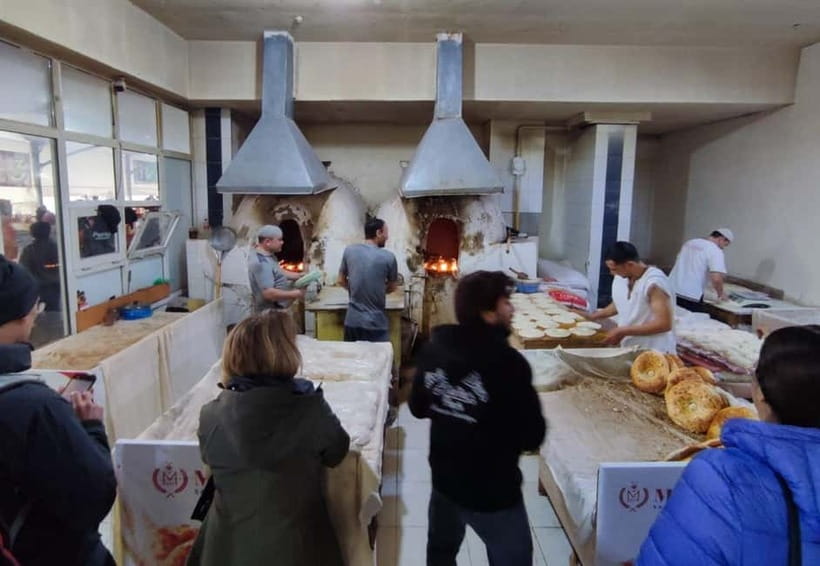
- Chorsu beyond the main dome: Follow local shopping lanes into the bakery, food court, butcher, and dried-fruit sections.
- Hazrati Imam in context: See the old mosque, Barak-Khan Madrasa, and the Qur’an kept at the complex while discussing religion and Uzbek history.
- A city of three eras: Move from the old quarter to Soviet metro stations, Amir Temur Square, and modern Tashkent.
- Food is part of the tour: Taste local products and watch plov being prepared in a large working kitchen.
- Private and adaptable: The group can include up to five people, with sights added or skipped around your interests.
- A useful first-day plan: The tour gives you practical ideas for what to do next in Tashkent and beyond.
Why this five-hour Tashkent tour works
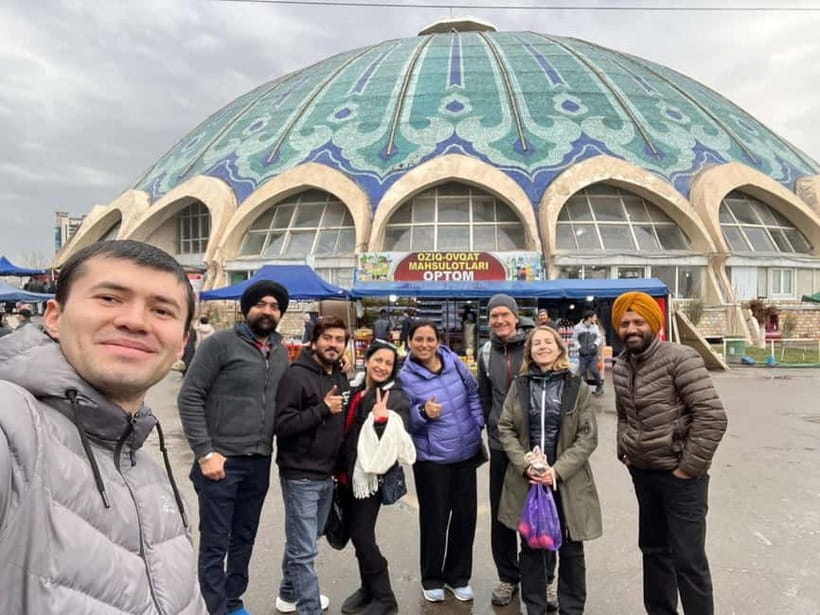
Tashkent is not a city you understand from one grand square. Its appeal comes from the changes between districts. A short ride can take you from blue-tile Islamic buildings to broad Soviet avenues, then into a market where shoppers buy bread, meat, sweets, and household goods.
This tour is built around those contrasts. You begin at the main entrance of Hazrati Imam Mosque, spend time in the old part of town, and then use the metro and taxis to reach central sights. The total walking is about 3 kilometers, or 2 miles, so this is active but not an all-day march.
The private format matters. You are not tied to the pace of a large group, and the plan can be adjusted. The operator specifically mentions possible additions such as the Museum of Applied Arts and Broadway Street. If you are more interested in food than formal sights, you can give Chorsu extra time. If Soviet architecture interests you, ask for more attention to the metro and central city.
Guides named in the experience include Shovkat, Bakhtiyor, Mohira, Marhaba, Murad, Murotjon, and other professional colleagues. The strongest pattern in the feedback is their ability to explain everyday Uzbekistan as well as dates and buildings. Shovkat, in particular, is often praised for practical help beyond the formal tour, including restaurant suggestions, transport advice, and help with later plans.
Other tours people book in Tashkent:
- Best of Tashkent Mountains: Amirsoy, Chimgan & Charvak Trip
★ 4.8 · 567 reviews - Samarkand One Day Tour – Departure From Tashkent
★ 5.0 · 313 reviews - Tashkent City Tour
★ 5.0 · 121 reviews
Hazrati Imam and Tashkent’s old quarter
Hazrati Imam is the natural starting point because it gives you the religious and historical setting first. Meet at the main entrance gate of Hazrati Imam Mosque, with the exact location sent by WhatsApp after booking.
The complex is known for the Qur’an described here as the world’s oldest. That makes the visit more than a photo stop. Your guide can explain why people come from across the country and from abroad, how the site fits into Uzbek religious life, and how the old quarter differs from the rest of the capital.
You also visit the grand mosque and Barak-Khan Madrasa. The madrasa gives the area its Central Asian architectural character, with courtyards, decorative tilework, and the calm scale of a historic religious school. Take your time here if you enjoy design and history, but remember that the advertised visit to Hazrati Imam is about 1.5 hours, not an unlimited museum visit.
An entrance fee of 60,000 Uzbek som per person is not included. Dress respectfully for the mosque area, and ask your guide about any site-specific expectations before entering.
This first section is also where the tour’s conversational side begins. Topics can include Uzbek customs, family life, religion, politics, the economy, and social changes. That broad range is useful because Tashkent is not only an old Silk Road stop. It is the capital of a modern country still shaping its place in Central Asia.
Chorsu Bazaar, where the city gets practical
Chorsu Bazaar is likely to be the tour’s most memorable stop if you enjoy food and ordinary city life. The main market is famous, but this experience aims to take you farther, into lanes where local shoppers buy what they need for the day.
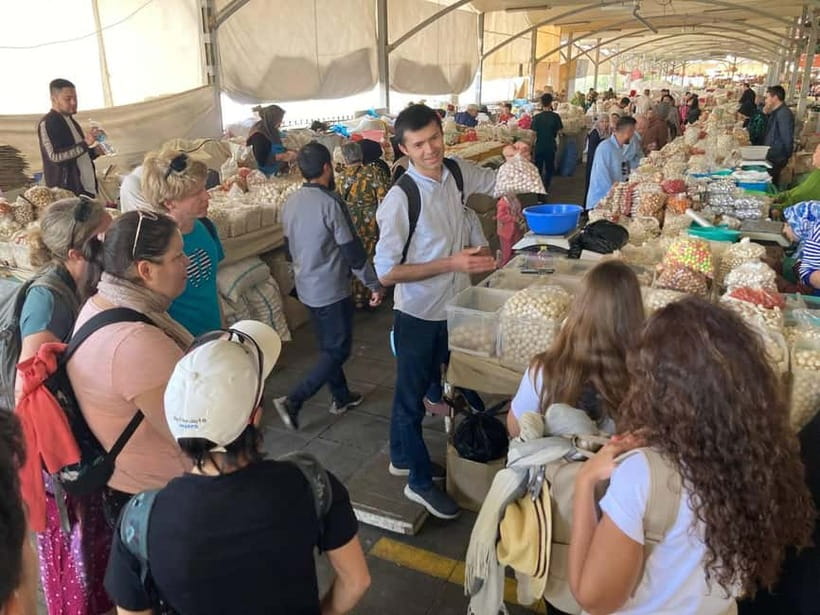
You can expect to see the food court, bakery, butcher section, dried-fruit stalls, and other market areas. The point is not simply to walk past displays. Your guide helps you understand what you are looking at and may arrange tastes of bread, halwa, dried fruit, and other local foods.
The bakery visit is a particular strength. You may see local bread being made and, depending on the circumstances, participate in baking it. This is the kind of stop that gives the market a human scale. You are watching a working food tradition, not just viewing a polished display prepared for visitors.
Chorsu can also be a place where you want more time than the schedule allows. Shopping, tasting, and taking photographs can easily stretch the visit. Tell your guide early if the bazaar is your priority. The private setup makes it easier to linger, but the tour still has several major stops to cover.
A practical point: tasting is part of the plan, but a full meal is separate. If you have allergies, dietary restrictions, or foods you prefer to avoid, explain that at the beginning.
The Tashkent Metro and Soviet-era design
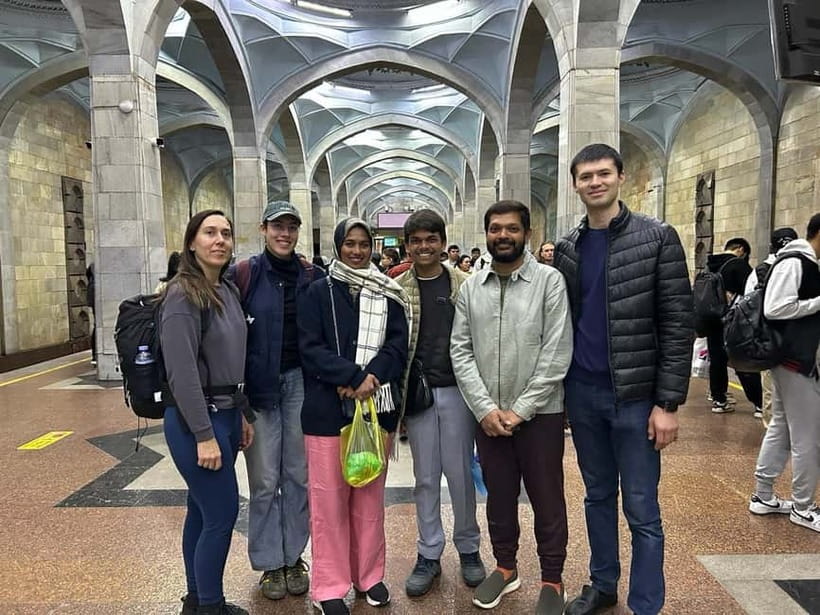
The Tashkent Metro is one of the city’s best surprises. It is not only a transport system, but also a collection of decorated stations, each with its own visual style. The tour uses the subway to connect parts of the city and pauses at some of its most attractive stations.
This gives you two experiences at once. You see how residents move around Tashkent, and you get a look at Soviet-era public design that is easy to miss if you travel only by car. It also breaks up the walking and helps you cover more ground in five hours.
The metro ticket is listed separately at 3,000 som per person. That is inexpensive, but carry local cash if needed and follow your guide’s lead on tickets and station rules.
Do not expect a long architectural tour of every station. The metro is one component of a wider city introduction. If you have a special interest in Soviet history or urban design, say so, since the flexible plan allows the guide to place more weight on that part.
Same city, a different kind of day:
- Amirsoy, Chimgan & Charvak Full-Day Adventure
★ 4.9 · 82 reviews - Shymkent Day Tour from Tashkent
★ 4.6 · 71 reviews - 2 Days Tour to Bukhara and Samarkand from Tashkent by train
★ 5.0 · 53 reviews - Tashkent Airport & Train Station Pick Up & Drop Off
★ 4.5 · 50 reviews
Amir Temur Square and the modern capital
Amir Temur Square brings you into central Tashkent, with its broad avenues and more formal city planning. Here, the guide can connect the Timurid period to the way modern Uzbekistan presents its national identity.
You also get a city view from the upper floor of the iconic Hotel Uzbekistan. This is a useful pause after the market and metro because it lets you see Tashkent as a planned capital rather than a collection of separate sights. The view is part of the attraction, but the hotel itself also reflects the city’s Soviet and post-Soviet story.
The Tashkent TV Tower is visited from outside. This is important to know if you are expecting an observation-deck visit. You will see the landmark and discuss its place in the city, but the tour does not promise entry.
Depending on your interests and available time, Broadway Street or the Museum of Applied Arts can be added. I would not count on fitting every possible extra into the same five hours. Treat them as choices, not guaranteed stops.
Plov at the Central Asian Plov Center
Lunch is recommended at the Central Asian Plov Center, where the cooking process is part of the experience. Plov is often called the king of Uzbek cuisine, and here you can watch cooks prepare it in large pots in a sizeable kitchen.
That behind-the-scenes view is the reason to choose this place. You are not simply served a plate and told that it is important. You can see the scale of preparation and understand why plov is tied to hospitality, family gatherings, celebrations, and national identity.
The cost of lunch is not included. Plan to pay for the food yourself, and confirm the day’s timing with your guide. Since the tour has several stops, a long lunch may reduce time at the final sights.
The Plov Center is best for people who like to connect food with culture. If you are not hungry, have dietary restrictions, or prefer a different cuisine, the guide can discuss alternatives. One family on the tour requested an Indian restaurant, and the guide adapted the plan, showing how the private format can help with specific needs.
What the guides add to the experience
The guide makes a major difference here because the tour covers subjects that are hard to read from a monument plaque. The strongest guide names in the feedback are Shovkat and Bakhtiyor, though Mohira, Marhaba, Murad, Murotjon, Gully, Giulia, and others have also led the experience.
Shovkat is described as warm, patient, and useful with practical questions. Several people valued his advice on later stops in Uzbekistan, train tickets, city transfers, restaurants, and mountain trips. Bakhtiyor is praised for explaining Uzbek life and for his care with families and delayed arrivals.
Mohira and Marhaba are good names to request if you want a guide who can tailor the pace closely. Giulia has led the tour in Italian, while another guide has provided German. The activity information lists support in English, Chinese, Japanese, Russian, German, Italian, Spanish, and French through the guide team, while the main organizer notes that he personally leads tours in English. Confirm your preferred language before booking.
This is a conversation-heavy experience. If you want a silent photo tour with little explanation, it may feel too talkative. If you want to ask about politics, religion, customs, or daily life, it is a better match.
Price, transport, and what you actually receive
The price is $120 per private group of up to five people. For two people, that is $60 each. For five, it works out to $24 each before food, tickets, and taxis, which makes the value much stronger for a full group.
The included item is the guide service. Hazrati Imam entry, metro tickets, lunch, and taxi costs are extra. The tour uses public transport and two taxi rides, with Yandex GO described as the local equivalent of Uber. You can also arrange a private sedan, minivan, or minibus to stay with the group, but that transport must be organized separately after booking.
For most people, the standard setup makes sense because Tashkent taxis and metro rides are inexpensive. A dedicated vehicle may be worth arranging if your group includes older family members, if you want fewer changes, or if you prefer not to manage local ride apps.
The scheduled time is 10:00 to 14:30, and the meeting point is Hazrati Imam Mosque. Last-minute bookings need extra care. If you book one or two days before the date, contact the operator on WhatsApp because email may not be checked daily.
Free cancellation is available up to 24 hours before the tour, and reserve-now-pay-later booking is offered. These policies help if your Uzbekistan plans are still moving around.
Who should book this Tashkent introduction?
I would choose this tour for a first day in Tashkent, especially if you have only a short stay. It gives you a working map of the city and helps you decide where to return on your own.
It also suits families and private groups. The guide can slow down, answer individual questions, adjust around shopping, and help with food choices. Several people appreciated the patient handling of late arrivals or wrong taxi drop-offs, though you should still aim to meet on time.
Food-focused visitors will get the most from Chorsu and the Plov Center. History-minded visitors will prefer Hazrati Imam and the contrast between Islamic, Soviet, and modern Tashkent. The tour is less suitable if you want long museum visits, a single historical period, or a fully fixed schedule.
Should you book it?
Book this tour if you want Tashkent explained by someone who can move between monuments, markets, transport, food, and daily life. The best parts are the Chorsu backstreets, bread-making, plov kitchen, and the chance to ask direct questions about Uzbekistan today.
Skip it if you prefer exploring alone, dislike changing transport, or want every minute devoted to formal sightseeing. For most first-time visitors, the private price is fair, especially with four or five people sharing it. Put it on your first day, tell the guide what interests you, and save the rest of your visit for the places that catch your attention.
FAQ
How long does the Tashkent tour last?
The experience lasts five hours, usually from 10:00 to 14:30.
Where does the tour begin?
It begins at the main entrance gate of Hazrati Imam Mosque in Tashkent. The exact meeting location is sent by WhatsApp after booking.
How much walking is involved?
You will walk about 3 kilometers, or 2 miles, during the tour. The plan also uses the metro and taxis.
What is included in the price?
The price includes the private tour guide service. Entrance fees, metro tickets, food, and taxi costs are not included.
How many people can join the private group?
The price covers a private group of up to five people.
Do I visit Chorsu Bazaar’s food areas?
Yes. The tour includes the food court, bakery, butcher section, dried-fruit area, and backstreets used by local shoppers.
Can I taste Uzbek food?
Yes. The tour includes opportunities to taste national and street foods such as bread, halwa, dried fruit, and other market foods. Lunch at the Central Asian Plov Center is recommended but paid separately.
Is the Tashkent TV Tower visited from inside?
No. The tower is visited from outside.
What languages are available?
The organizer personally leads tours in English, while the wider guide team is listed as offering Chinese, Japanese, Russian, German, Italian, Spanish, and French. Confirm your preferred language before booking.
Just added in Tashkent
- Fergana One Day Tour From Tashkent★ 3.4 · 8 reviews
- Ten Bites Adventure Food Tour in Tashkent★ 5.0 · 6 reviews
- Tashkent Private Full-Day City Tour on a Premium Car★ 5.0 · 6 reviews
- Tashkent City Highlights Guided Walking Tour★ 5.0 · 6 reviews
- Discover Uzbekistan – explore top destinations: Samarkand, Bukhara & Tashkent★ 4.5 · 6 reviews
- Tashkent Chimgan Mountains, Charvak Reservoir and Amirsoy Resort★ 5.0 · 6 reviews
- Amirsoy, Chimgan Mountain & Charvak Lake tour from Tashkent★ 4.5 · 6 reviews
- Day Trip to Amirsoy, Chimgan Mountains & Charvak Lake★ 4.9 · 9 reviews
Tours in Tashkent, compared.
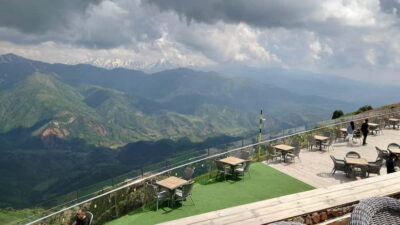
Best of Tashkent Mountains: Amirsoy, Chimgan & Charvak Trip
Read our review →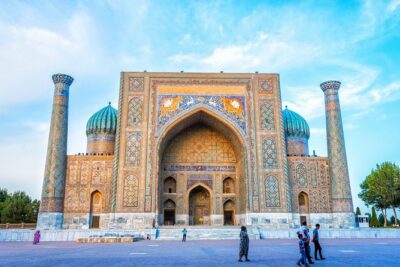
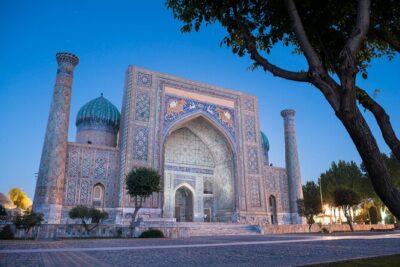
Samarkand One Day Tour – Departure From Tashkent
Read our review →
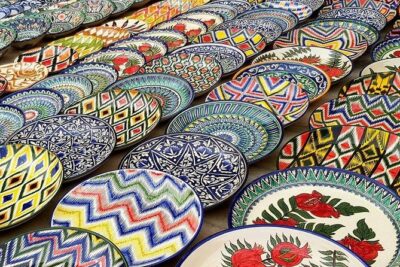
2 Days Tour to Bukhara and Samarkand from Tashkent by train
Read our review →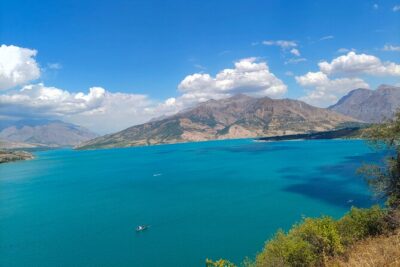
Uzbekistan 6 days private tour Tas-Khiva-Buk-Sam-Tas
Read our review →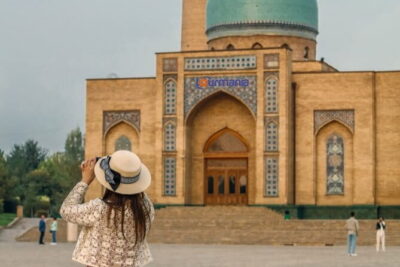
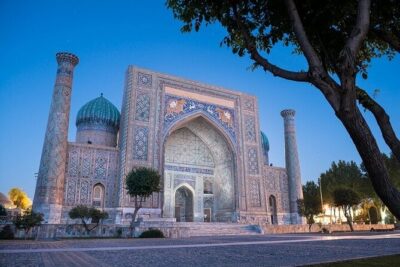
Uzbekistan 8 Days Private Tour Tashkent-Urgench-Bukhara-Samarkand-Tashkent
Read our review →Browse the lists this tour appears in