
Reviewed · CHIMGAN AND AMIRSOY MOUNTAIN TOURS
Tashkent: 3-Day Horseback Riding Tour in Chimgan Mountains
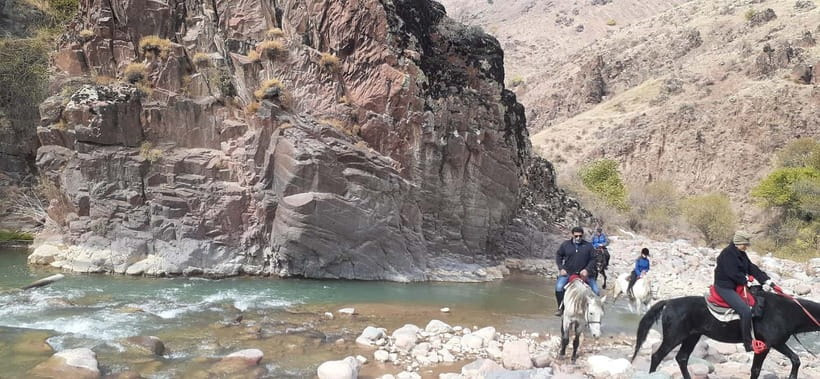
The best part of this three-day ride is the changing ground beneath you. You pass shepherds’ summer pastures, cross wooden bridges and mountain rivers, climb to Chet Kumbel Pass, and finish with broad views over Charvak Lake. This is a real mountain journey, not a short horseback outing with a photo stop.
I like the small-group format, limited to 10 people, and the practical support: horses, a donkey for supplies, a cook, camping equipment, transport, and an English-speaking guide are included. I also like the human side of it, especially the village visits and the final meal with a local family. The main consideration is simple: five to six hours in the saddle each day, with steep ascents, descents, changing weather, and basic camping.
Key points at a glance
- Five to six hours on horseback each day: This suits riders ready for long days in the saddle, not complete beginners seeking a gentle trail.
- Aksai Valley camping: Your first night is planned beside a river, with a fire, dinner, and open skies overhead.
- Chet Kumbel Pass and alpine meadows: Day two brings the most varied riding, including river crossings, forest, mountain passes, and room to canter.
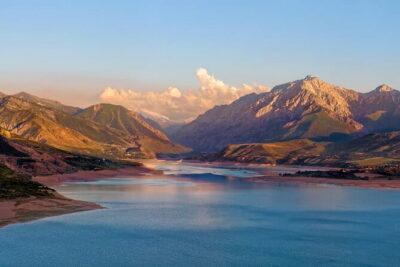
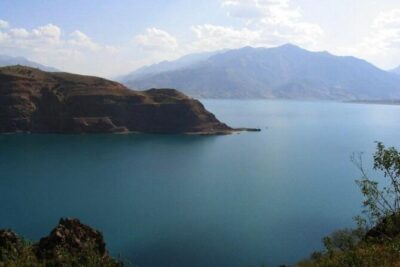
- Charvak Lake views: The final ridge ride ends above the lake, with the red cliffs of Kyzyljar adding color to the route.
- Full-board mountain support: A cook prepares meals, while a donkey carries equipment and supplies.
- Weather can change the plan: One recent departure camped in a field near town rather than at the planned wild campsite, so flexibility matters.
What kind of horse tour is this?
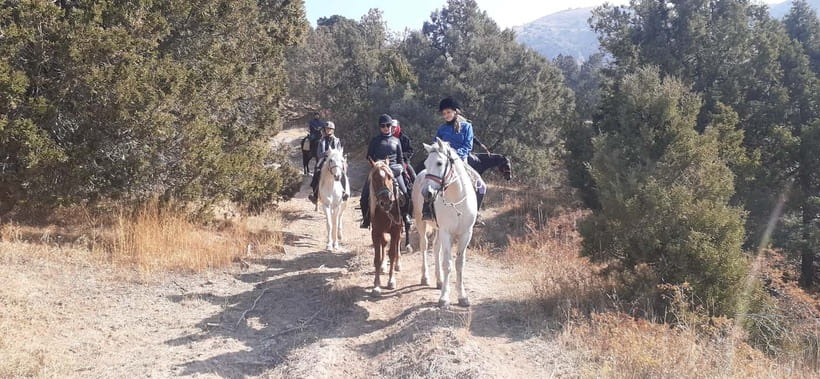
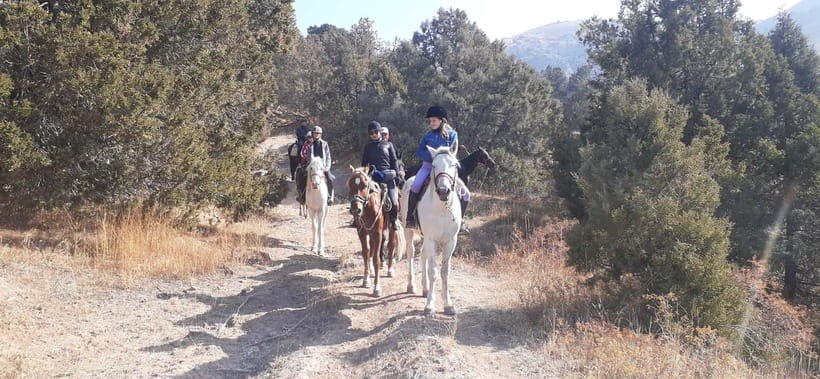
This is a mountain expedition on horseback, not a polished resort ride. You leave Tashkent early, travel by car or van into the Chimgan area, and then spend most of the next three days moving through valleys, passes, meadows, and river corridors.
The riding is active. The route includes climbs and descents, narrow mountain sections, river crossings, and long stretches where you remain in the saddle. The description allows five to six riding hours per day, though the actual time can change with weather, horse rests, route conditions, and group pace.
You do not need to bring a tent, sleeping bag, sleeping rug, cooking equipment, or food. Those are supplied. You do need your own clothing, footwear, personal medication, first-aid supplies, and mountain basics. The support makes the trip possible without carrying a full load, but it does not turn the mountains into an easy ride.
More mountain trips from Tashkent:
- Best of Tashkent Mountains: Amirsoy, Chimgan & Charvak Trip
★ 4.8 · 567 reviews - Amirsoy, Chimgan & Charvak Full-Day Adventure
★ 4.9 · 82 reviews - Tashkent Tour at Amirsoy, Chimgan Mountains and Charvak lake
★ 5.0 · 37 reviews
Leaving Tashkent for Aksai Valley
The first morning begins with pickup in Tashkent. Groups of up to three can use a Chevrolet Lacetti, while larger parties are taken in a van such as a Hyundai Starex. That is useful because the road transfer gets you from the city into the mountain country without requiring you to arrange a separate driver.
The first riding section takes you past the village and upward toward Aksakata Mountain. You then cross the valley toward Archali Pass, where the route passes horse packs, livestock, and shepherds’ summer pastures. This is one of the more meaningful parts of the trip because it gives you a glimpse of how the high country is used, not just how it looks in photographs.
After a rest, you reach the marble belt for lunch. The pale rock gives this part of the ride a different feel from the grassy valley and forest sections. From there, you descend toward the meeting point of the Aksaka Ata and Nurik Ata rivers.
A wooden bridge takes you across, followed by a ride along a valley known for alpine plant life. The first camp is set near the river. Dinner is cooked by the local cook, and the evening includes a fire and a night under the stars.
That sounds idyllic, and it can be. It also means you should be comfortable with outdoor routines. Camping near rivers and in meadows brings cold air, uneven ground, limited privacy, and weather exposure. Bring a warm layer even if Tashkent feels hot when you leave.
Day two: rivers, forest, and Chet Kumbel Pass
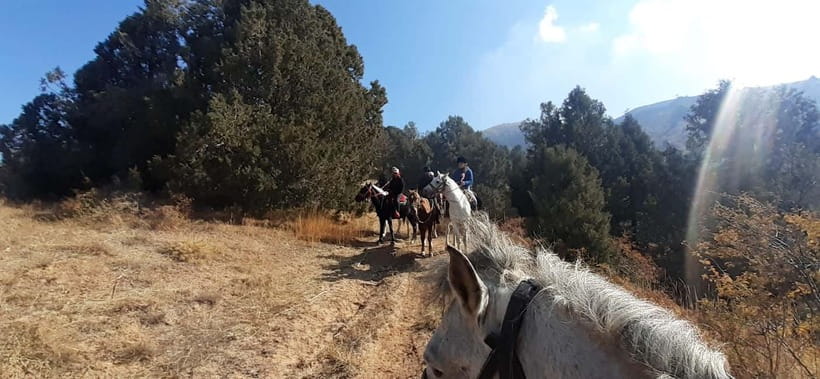
Day two starts early with hiking porridge and hot coffee. You pack your camping gear, settle into the saddle, and begin a long day of climbs, descents, and river crossings.
After several hours, you reach a mountain bee farmer’s shelter. The horses rest here, giving you a useful break before the climb toward Chet Kumbel Pass. This pause matters more than it may sound. Five or six hours of riding is easier when the animals and the people have regular chances to stop.
Near the pass, a spring by a very old tree provides a lunch point. The route then traverses Kumbel Mountain toward a ski slope and a large rock by the forest. After about half an hour, you reach a broad alpine meadow where you may be able to canter.
Cantering is likely to be one of the most exciting moments of the trip, but it depends on ground conditions, horse behavior, and the guide’s judgment. You should not assume that every rider will canter, or that the group will move at the same speed. The ride is guided, and the mountain route comes first.
The route descends toward a marble gorge for another rest and meal before climbing again to Urta Kumbel. A quick descent brings you into Beldersai Valley. You cross the river and continue through Yakka Archa toward Chet Kumbel, where camp is set near the water.
Day two is probably the most physically demanding section. You get the greatest variety of terrain, but you also spend long hours moving up and down. Riders with little experience should be honest about their fitness and comfort on a horse before booking.
Day three: villages, red cliffs, and Charvak Lake
After breakfast, you ride along a meadow before descending toward the Beldersai River bridge. From there, the route climbs toward Uchterak village, where lunch is taken near the settlement.
The village section adds a welcome change from the mountains. You pass through local homes and meet residents before crossing the Galvaysai River. This is where the tour feels less like a sport and more like a way to move through the region’s everyday life.
Next comes Akshuran Pass and another area suitable for cantering. In the afternoon, the route follows a ridge through the rolling red cliffs of Kyzyljar. After several hours, you reach the peak known as Last, with views toward Charvak Lake.
The finish is not a dramatic ride straight to the hotel. You rest, walk down to Chorvak Oromgohi, and meet your driver there. You then say goodbye to the horseman and his brother before returning to Tashkent.
The written plan suggests a full final riding day, but one departure completed only about two and a half hours on horseback that day. Weather and local decisions can alter the schedule. If the exact riding time matters to you, ask for confirmation before paying.
Same city, a different kind of day:
- Samarkand One Day Tour – Departure From Tashkent
★ 5.0 · 313 reviews - Tashkent City Tour
★ 5.0 · 121 reviews - Shymkent Day Tour from Tashkent
★ 4.6 · 71 reviews - Highlights of Tashkent (old and new part)
★ 5.0 · 60 reviews
The horses, guide, cook, and camp setup
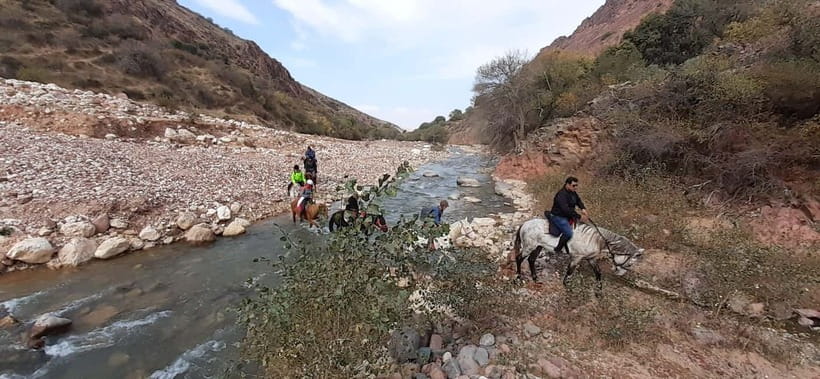
The package includes four horses: two for the customers and two for the horseman and guide. A donkey carries transport equipment. That arrangement keeps the route supported without asking you to load your own horse with camping gear.
You also get an English-speaking guide and horseman. Their mountain experience is important here because the route includes river crossings, passes, forest edges, and changing surfaces. The team also handles registration, cooking, camp equipment, and route support.
Meals are full board, apart from food in the city. You can expect simple outdoor cooking, including hiking porridge and coffee in the morning, along with cooked dinners at camp. The home-cooked food is a strong part of the experience, and the final day may include eating at a local family’s house.
Camping equipment includes a tent, sleeping bag, and sleeping rug. Still, clarify what is provided for each person before departure. One participant arrived without a tent after equipment details had been discussed by WhatsApp but not passed clearly to the field guide. That kind of communication error is avoidable, but it shows why you should confirm the full equipment list in writing.
How hard is the riding?
The physical demand comes from duration and terrain rather than speed. You may spend five to six hours riding, then sleep on the ground, then repeat the pattern the next day. Climbs and descents can be tiring even for riders who are comfortable on flat trails.
This trip is not suitable for people with back problems, mobility impairments, heart problems, or respiratory issues. It is also a poor match if you dislike basic camps, river crossings, or sudden changes in weather.
You should bring:
- Hiking shoes or other sturdy footwear
- Comfortable riding clothes and a change of clothes
- Rain gear and warm layers
- Gloves, sunglasses, and a hat
- Personal medication and a first-aid set
- Passport or ID card
The packing list is short, but do not treat it casually. Wet clothes, cold hands, or poor footwear can make a long riding day miserable. A small backpack is listed among the personal items you must supply, so pack light and keep essentials close.
What the $430 price includes
At $430 per person, the cost is not just for saddle time. It covers transport from Tashkent to the mountains and back, the English-speaking guide and horseman, horses, the donkey, registration, camping equipment, kitchen gear, a cook, and full-board meals.
That makes the price easier to judge. You are paying for a supported three-day mountain trip rather than a basic ride where you arrange your own transport, food, camping kit, and local help. For a small group capped at 10 people, the package has solid value if the route runs as planned.
The weaker point is schedule clarity. A weather-related change placed one group in a field near town instead of the planned mountain camp. The replacement had the inconvenience of outdoor camping without the privacy or atmosphere of a remote site, and hotels with toilets were only a short walk away. If wild camping is the main reason you are booking, ask how flexible the overnight locations are.
The price does not include visa support, insurance, personal mountain equipment, personal clothing, or food during the city portion. Build those costs into your budget.
Who will enjoy this most?
I would choose this tour if you want a close look at the Chimgan Mountains and are happy to accept rough edges. It suits riders who value scenery, local contact, and a small group more than polished hotel comfort.
It is especially appealing if you like:
- Long days outdoors
- Mountain riding rather than arena practice
- Local meals and village contact
- Camping beside rivers or in meadows
- A route with passes, forests, cliffs, and lake views
- A guided experience where most practical work is handled for you
I would hesitate if you are new to horses and unsure about spending several hours in the saddle. I would also hesitate if you need a fixed schedule, private bathroom access, or guaranteed wild camps.
The supplier offers free cancellation up to 24 hours before departure and lets you reserve now and pay later. Those terms help if your Uzbekistan plans are still shifting, but they do not remove the need to confirm weather and equipment details.
Should you book the Chimgan horseback tour?
Book it if your ideal mountain trip includes real riding, simple camps, local food, and changing conditions. The rivers, alpine meadows, Chet Kumbel Pass, red cliffs, and Charvak Lake views give the route plenty of variety. The village visits and family meal add a human touch that a standard mountain excursion cannot provide.
Before booking, contact Uzramblers and confirm four points: your riding experience, the exact camping equipment supplied, the likely overnight locations, and the expected riding hours on the final day. If you can handle those uncertainties, $430 is a fair price for a supported three-day ride through a striking part of Uzbekistan.
FAQ
How long is the horseback riding each day?
The tour involves about five to six hours of horseback riding per day, although weather, rest stops, route conditions, and local decisions can change the schedule.
Where does the tour start?
Pickup is in Tashkent. Customers can wait at their hotel or another agreed location.
How are larger groups transported?
Groups larger than three people are taken in a van such as a Hyundai Starex or a similar vehicle. Groups of up to three can use a Chevrolet Lacetti.
Is an English-speaking guide included?
Yes. An English-speaking guide and horseman are included.
How many people can join the group?
The tour is limited to 10 participants.
Are horses provided?
Yes. The package includes four horses, with two for tourists and two for the horseman and guide. A donkey is used to carry transport equipment.
Is camping equipment included?
Yes. A tent, sleeping bag, sleeping rug, and kitchen ware are included. You should confirm the exact personal allocation before departure.
Are meals included?
Full-board food is included during the mountain portion of the trip. Meals in the city are not included.
What should I bring?
Bring your passport or ID card, sunglasses, a hat, spare clothes, hiking shoes, rain gear, comfortable clothes, gloves, and personal medication. Personal mountain equipment and a first-aid set are not included.
Who should not take this tour?
The tour is not suitable for people with back problems, mobility impairments, heart problems, or respiratory issues. It also requires comfort with long riding days, mountain passes, river crossings, and outdoor camping.
More 3-Day Experiences in Tashkent
- Uzbekistan 3 Day Private Tour Tashkent-Bukhara-Samarkand Bullet Train
★ 4.5 · 23 reviews - 3-Day Chimgan Trekking Tour
★ 5.0 · 10 reviews - Desert yurt camp and Mountain tour – 3 days
★ 4.5 · 15 reviews - Aral Sea – Extended trip (3 days)
★ 5.0 · 5 reviews
Just added in Tashkent
- Tashkent-Samarkand-Bukhara tour-3nights/4 days★ 5.0 · 5 reviews
- Private Intercity Transfer Tashkent – Samarkand – Tashkent★ 3.5 · 3 reviews
- Uzbekistan Tour – 6 Days 5 Nights★ 5.0 · 4 reviews
- Tashkent Mountain Tour Amirsoy with Transport★ 3.5 · 3 reviews
- Tashkent City Tour with Hotel Pickup and Drop off★ 4.5 · 4 reviews
- Tashkent Food and Metro Journey★ 5.0 · 4 reviews
- Silk Road Secrets Tour in Uzbekistan★ 5.0 · 4 reviews
- Amirsoy & Chimgan mountain tour from Tashkent★ 5.0 · 3 reviews
Chimgan and Amirsoy Mountain Tours, compared.
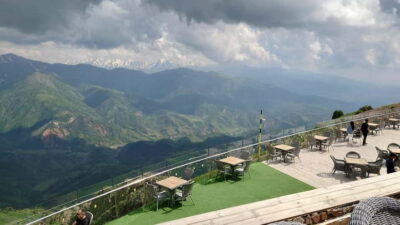
Best of Tashkent Mountains: Amirsoy, Chimgan & Charvak Trip
Read our review →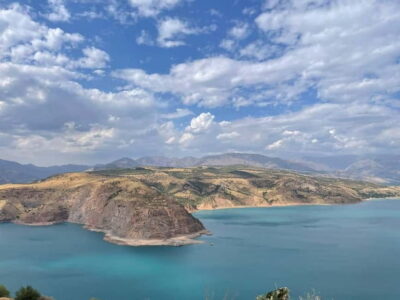
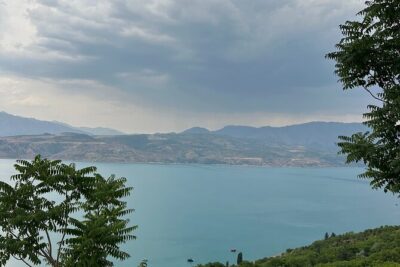
Tashkent Tour at Amirsoy, Chimgan Mountains and Charvak lake
Read our review →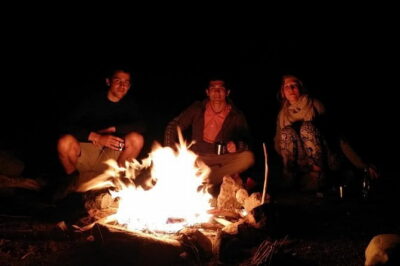
Tashkent Chimgan Mountains, Charvak Reservoir and Amirsoy Resort
Read our review →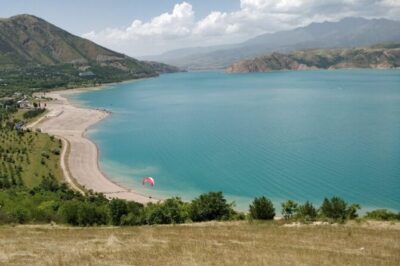
Browse the lists this tour appears in