
Reviewed · TOURS IN KHIVA
Old Khiva Stories with Your Local Guide
Khiva’s old city is compact, grand, and wonderfully easy to explore on foot. This tour takes you through Itchan Kala, the walled inner city, where turquoise tilework, carved wooden columns, old palaces, and narrow lanes all sit within a short walk of one another. Local guide Sarvar adds personal stories and explains how the city fits into Uzbekistan’s wider past.
I like the route’s mix of famous sights and everyday culture, especially the wood-carving workshop and the stop at Allakuli Khan’s caravanserai market. I also like that Sarvar shares advice on food, shopping, and what to see after the tour. The main point to watch is the cost of admission: the $22 guiding fee is separate from the 250,000-sum ticket for access to 10 to 13 museums and monuments.
Key points at a glance
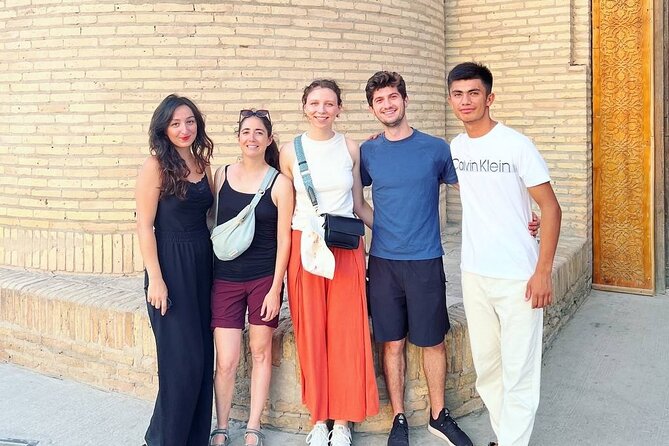
- A local guide named Sarvar: He grew up in Khiva and speaks English, with a style that combines history, local stories, and practical advice.
- Ten stops in about three hours: The route covers major monuments from Ata Darwaza to the Islom Khodja Complex.
- Admission costs extra: Bring cash or a card for the 250,000-sum entry ticket.
- A strong mix of sights: Expect mosques, madrasahs, palaces, a fortress, a museum, a craft workshop, and a market.
- Small-group format: The group can include up to 15 people, though the exact number for your departure is not stated.
- A useful first-day orientation: The tour ends where it begins, giving you a practical sense of direction inside Itchan Kala.
Why Khiva works so well on foot
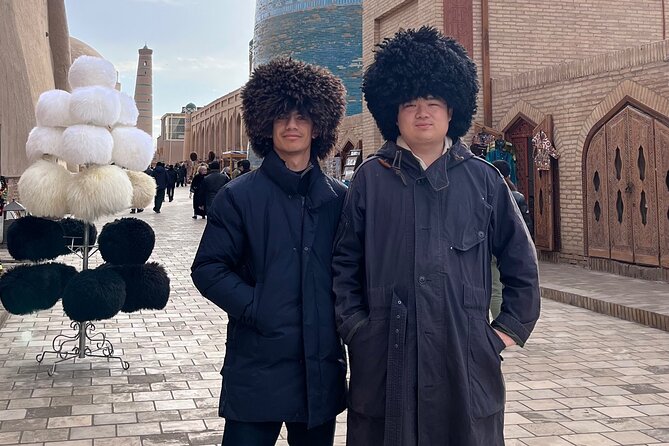
Khiva’s Itchan Kala is the kind of old city that rewards slow walking. Its walls hold a dense group of monuments, so you are not spending half the tour in a bus or waiting for transport. You move from gate to madrasa, from palace to mosque, with the city’s blue tile and sun-baked brick always close at hand.
The tour begins at the western gate, Ata Darwaza. This was a principal entrance for caravans and traders moving through the Silk Road network. Starting here gives you a useful frame for the rest of the walk: Khiva was not just a collection of beautiful buildings, but a place shaped by trade, rulers, religion, and long-distance travel.
Sarvar’s role matters here. A guide who was born and raised in Khiva can explain the old city as more than a series of dates. He also shares personal stories and local legends, which helps the monuments feel connected to present-day life rather than sealed behind glass.
The route is listed at about three hours. That is long enough to see the main sights without turning the morning or afternoon into a full-day history lecture. Still, the schedule is fairly tight. Most stops are 10 to 25 minutes, so you should expect an overview at several places rather than a slow, detailed inspection of every room.
A few more things worth doing in Khiva
- Khiva: Historical City Highlights Guided Walking Tour
★ 4.8 · 156 reviews - Khiva Historical City Highlights Guided Walking Tour
★ 5.0 · 30 reviews - Guided Tour To Old Fortresses
★ 5.0 · 25 reviews
Ata Darwaza and the first view of Itchan Kala
Ata Darwaza is both a meeting point and a fitting opening scene. The gate once received caravans and traders, and it gives you an immediate sense of entering a separate historic quarter.
The first stop is brief, around 10 minutes. Sarvar uses that time to explain the gate’s role and the layout of the walled city. This is practical as well as historical. It helps you understand where you are before the route moves into a cluster of major monuments.
If this is your first visit to Khiva, pay attention to the orientation. The tour returns to the same meeting point at the end, so you can later retrace the route on your own without worrying about finding your way back to a distant hotel or transport stop.
Muhammad Amin Khan Madrassah and Kalta Minor
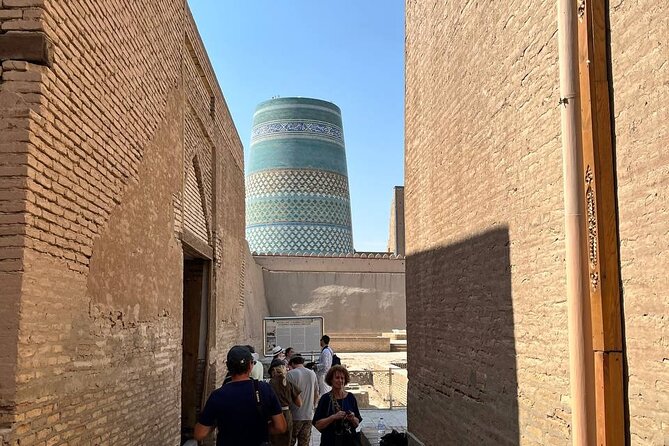
The Muhammad Amin Khan Madrassah was built in 1851 by Muhammad Amin Khan and was once the largest Islamic school in the region, with room for more than 250 students. The stop lasts about 15 minutes, giving Sarvar time to explain the building’s purpose and the ruler who commissioned it.
This is one of the places where a guide adds real value. From the outside, you see an impressive facade, but the story of its size and function helps you picture the madrassah as a working school rather than a decorative shell.
Next door is Kalta Minor, Khiva’s most recognizable landmark. Its turquoise tilework and unusually wide, short form make it easy to spot. Muhammad Amin Khan intended it to be much taller, but the project was not completed.
The two stops work well together. The madrassah shows the ambition of the ruler, while Kalta Minor shows how that ambition ended in an unfinished structure that became an emblem of Khiva. The visit to the minaret is about 10 minutes, so bring your camera and listen for the story rather than expecting a long architectural study.
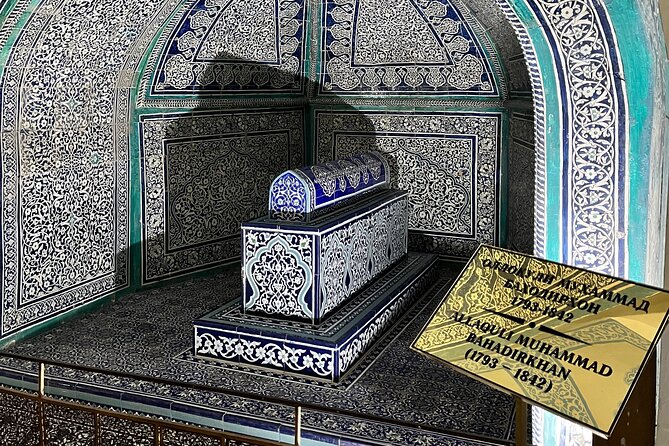
Kuhna Ark, the fortress of Khiva’s khans
Kuhna Ark was the residence of Khiva’s khans. The complex included a throne room, harem, mint, mosque, and reception spaces, so it offers a concentrated look at how political and religious life operated inside the old city.
You have about 25 minutes here, the longest stop on the route. That extra time makes sense. A fortress-palace needs more explanation than a single facade, and Sarvar can connect the rooms and functions to the rulers who used them.
The admission arrangement is important. The tour price does not include monument entry. The supplied information lists a 250,000-sum ticket covering 10 to 13 museums, with payment possible by cash or card. Some individual itinerary entries show no separate admission, while Kuhna Ark and other sites are marked as not included. To avoid confusion, budget for the stated 250,000-sum museum and monument ticket rather than assuming the $22 covers everything.
Same city, a different kind of day:
- Transfer: Bukhara – Khiva via Ancient Fortresses
★ 4.5 · 101 reviews - Daytrip From Khiva To Ancient Fortresses
★ 4.6 · 60 reviews - Aral Sea Adventures (2 day)
★ 5.0 · 30 reviews - Private Daytrip to 7 Ancient Fortresses of Khorezm
★ 5.0 · 25 reviews
Khiva’s wood-carving tradition
The wood-carving stop changes the pace. Instead of looking only at old buildings, you see a living craft tradition connected to Khiva’s architecture. Local artisans create carved columns, doors, and souvenirs, and the visit lasts about 15 minutes.
I like this part of the route because it puts the famous wooden details of Khiva into context. When you later see carved columns or doors in a mosque or palace, you have a better sense of the skill behind them.
This is also the tour’s clearest shopping opportunity tied to a working local tradition. The description does not promise a purchase or specify prices, so treat it as an introduction to the craft first. If you want to buy something, ask Sarvar about the item’s origin and how it was made.
The Scholars Museum and Uzbekistan’s great thinkers
At the Scholars Museum, the discussion turns from buildings to ideas. Sarvar introduces figures associated with Uzbekistan and world civilization, including Al-Khwarizmi, Al-Biruni, Zamakhshari, and Avicenna.
The stop takes about 15 minutes. That is enough for a clear introduction, though not enough for a full museum study. If you have a strong interest in science, mathematics, medicine, or Islamic scholarship, you may want to return later and spend more time with the displays.
This stop also broadens the tour. Khiva is often presented through its rulers, walls, and tilework. The scholars section reminds you that the region’s importance also came through learning and ideas that reached far beyond Central Asia.
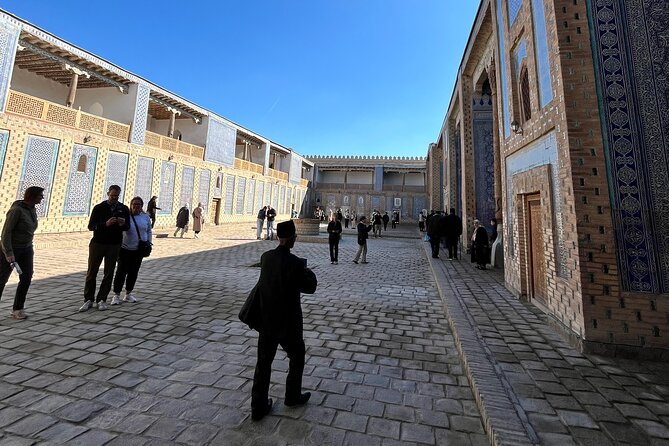
Tash Khauli Palace and the court of Allakuli Khan
Tash Khauli, also called the Stone Palace or Allakuli Khan Palace, was built in the 19th century for the khan and his court. You spend about 15 minutes here, looking at another side of royal life after seeing the fortress at Kuhna Ark.
The comparison between the two palaces is useful. Kuhna Ark served as an earlier khan’s fortress and residence, while Tash Khauli presents another period of court life and architectural taste. Sarvar can help you keep the rulers and functions straight, since the names and titles can become confusing during a short visit.
Entry to Tash Khauli is not included in the tour price. The overall 250,000-sum ticket is intended to cover the listed museums and monuments, but it is wise to confirm the current arrangement with Sarvar at the start.
Allakuli Khan’s caravanserai and Tim market
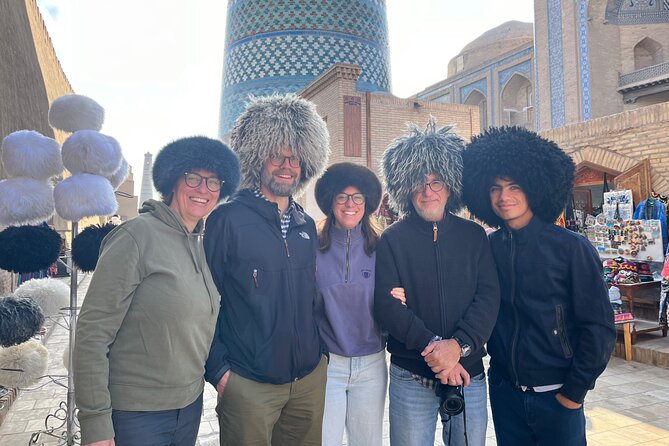
The Allakuli Khan Tim market and caravanserai bring the tour back to commerce. This was a stopping place along the old Silk Road, and today it is a place to browse local souvenirs.
The stop lasts about 15 minutes. That is enough for a quick look and perhaps a purchase, but not a leisurely shopping session. If you see something you want, allow yourself more time after the tour. The tour ends back at Ata Darwaza, so you can return to the market without losing your bearings.
I especially like this part because it connects Khiva’s old trade routes with present-day shopping. The city’s commercial life has changed, but the setting still helps explain why Khiva grew where it did.
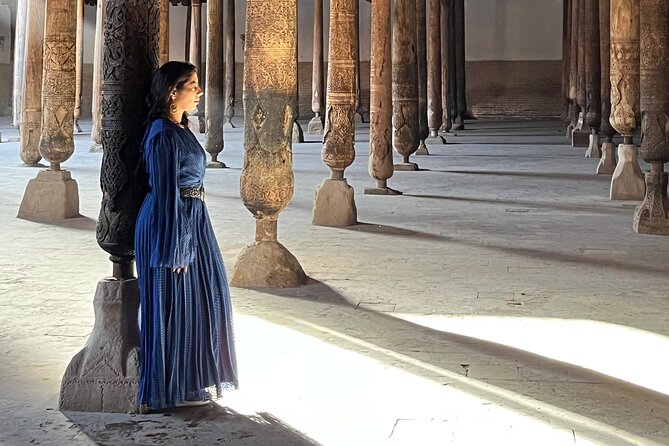
Juma Mosque and its 215 wooden columns
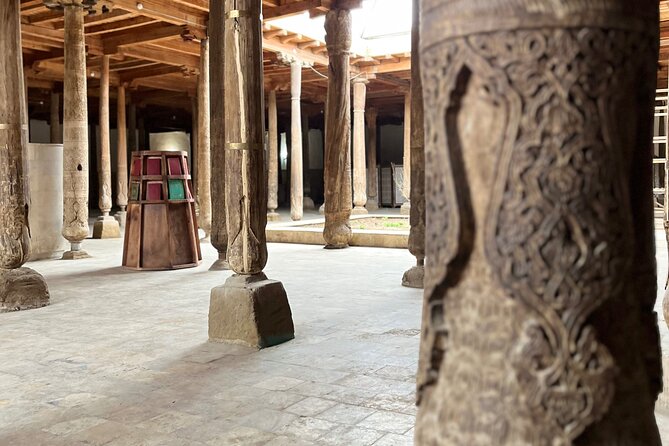
The Juma Mosque is one of Khiva’s most distinctive interiors. Its main feature is a forest of 215 carved wooden columns, creating a cooler, quieter space than the bright tilework outside.
You have around 20 minutes here. That gives you time to look upward, study the different columns, and listen to the explanation of the mosque’s design. The description dates the mosque to the 10th century and points to a blend of Islamic and local architectural elements.
This is a stop where a guide can prevent you from rushing through. The columns may appear similar at first glance, but their carved details reward a slower look. With limited time, ask Sarvar which features are easiest to miss.
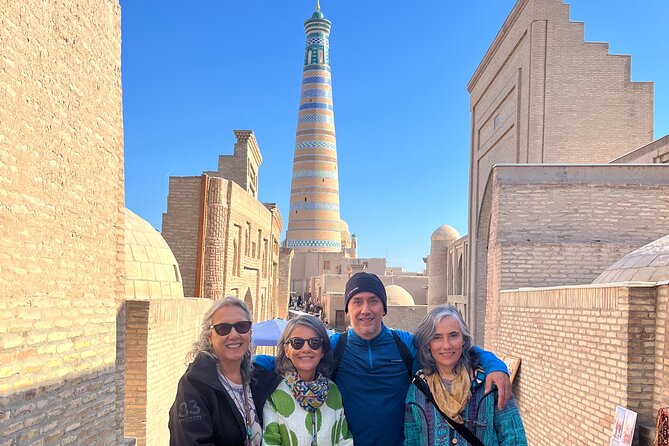
Islom Khodja Complex and Khiva’s tallest minaret
The final major stop is the Islom Khodja Complex, including the Islom Khodja Madrassah and the city’s tallest minaret. The complex dates from the 19th century and was named for Islom Khodja, an important figure in Khiva’s later history.
The visit lasts about 15 minutes. The minaret is the visual focus, while the madrassah adds the institutional and religious setting around it. Entry is not included in the $22 price, so again, keep the separate monument ticket in mind.
The tour does not state that you climb the minaret, so do not book expecting that activity. The emphasis is on viewing the complex and learning its story.
What Sarvar adds to the walk
The strongest part of this experience is the guide’s personal approach. Sarvar is described as an English-speaking local who grew up in Khiva. His guiding style combines explanations of Uzbekistan’s history and culture with local legends, personal stories, and suggestions for food, shopping, and further exploring.
That matters in a city where several buildings can look alike after a few hours. A good explanation gives each monument a role and helps you remember why it matters. The feedback provided about Sarvar repeatedly highlights his clear English, friendly manner, professional approach, and ability to make history entertaining.
He also appears to be helpful before the tour, offering suggestions during trip planning and remaining available with advice. That is useful if you are arranging more than a walk in Khiva. One note connects him with an Aral Sea tour, but this experience itself is the three-hour Itchan Kala walk, so confirm any extra plans separately.
The maximum group size is 15 people. That is not a private tour, and a group of that size can feel less personal in narrow lanes or busy courtyards. Still, it is small enough for a guide to speak to the group without needing a microphone.
Is $22 a fair price for three hours?
At $22 per person, the guiding fee is reasonable for a three-hour walk led by a local English-speaking guide. You are paying for structure, interpretation, and local advice rather than transportation, meals, or entry tickets.
The separate admission cost changes the final budget. The stated monument ticket is 250,000 sum per person and includes access to 10 to 13 museums. Since many of the stops are historic buildings, this ticket is central to the experience, not a minor extra.
I would compare the combined cost with the value of your time. You could walk through Itchan Kala on your own, but you would need to identify the buildings, sort out the ticket system, and find context for the scholars, palaces, mosque, and caravanserai. If you want a clear introduction on your first day, the extra guiding fee earns its place.
Practical details before you book
The meeting point is the west gate of Ichan Kala, listed as Ata Darwaza, at 99H4+CRQ in Khiva. The tour ends at the same place. It is near public transportation, and most people can participate.
Wear comfortable shoes. The route is a walking tour through an old walled city, with several stops inside historic buildings. The schedule is fairly full, so arrive ready to keep moving and bring enough time for photographs without expecting long pauses at every site.
Confirmation is provided when you book. The tour offers free cancellation up to 24 hours before the start time. Inside that window, changes and cancellations are not accepted for a refund. Since the tour is often booked well ahead, check your plans carefully before the final day.
Who should choose this Khiva tour?
I would choose it for a first visit to Khiva, especially if you want the major sights explained in one organized walk. It suits you if you enjoy history but prefer stories and clear context to a formal lecture.
It is also a good match if you want practical local help. Sarvar’s advice about eating, shopping, and planning the rest of your time can make the tour useful beyond its scheduled route.
You might prefer a different approach if you want to spend a full hour inside each palace or museum. Ten stops in three hours means a broad introduction, not a specialist visit. Independent exploration afterward is the best way to add depth.
Should you book Old Khiva Stories?
Book this tour if you want a well-planned introduction to Itchan Kala, with Sarvar’s local perspective tying together gates, rulers, scholars, craftspeople, traders, and mosques. The route is broad, the price is modest, and the combination of famous landmarks with wood carving and the caravanserai gives you more than a monument checklist.
Before booking, add the 250,000-sum entry fee to your budget and accept that some stops will be brief. If those conditions suit you, this is a practical way to get your bearings and learn the stories behind Khiva’s most important sights.
FAQ
How long does the Old Khiva Stories tour last?
The walking tour lasts approximately three hours.
Where does the tour begin?
It begins at Ata Darwaza, the west gate of Ichan Kala in Khiva. The location is listed as 99H4+CRQ.
Where does the tour end?
The activity ends back at the meeting point at the west gate.
Is the entrance ticket included in the $22 price?
No. Entry tickets are separate. The stated fee is 250,000 sum per person, covering access to 10 to 13 museums, and payment can be made by cash or card.
What sights are included in the route?
The route includes Ata Darwaza, Muhammad Amin Khan Madrassah, Kalta Minor, Kuhna Ark, a Khiva wood-carving workshop, the Scholars Museum, Tash Khauli Palace, Allakuli Khan’s Tim market and caravanserai, Juma Mosque, and the Islom Khodja Complex.
How many people can join the tour?
The maximum group size is 15 people.
Just added in Khiva
- Uzbekistan 6 Days Private Tour Khiva-Bukhara-Samarkand by Train★ 5.0 · 4 reviews
- Traditional Khiva Cooking Class with Market Visit & Lunch★ 5.0 · 4 reviews
- Master Class – Uzbek Bread (Khiva)★ 3.5 · 4 reviews
- A Night In The Kyzylkum Desert [2] From Khiva★ 4.5 · 3 reviews
- Aral Sea – Extended trip (3 days)★ 5.0 · 5 reviews
- Khorezm Fortress and KyzylKum Desert Private Tour★ 5.0 · 3 reviews
- Best of Khiva: Exclusive Private Tour!★ 5.0 · 3 reviews
- Daytrip From Khiva To Ancient Fortresses★ 4.6 · 60 reviews
Tours in Khiva, compared.
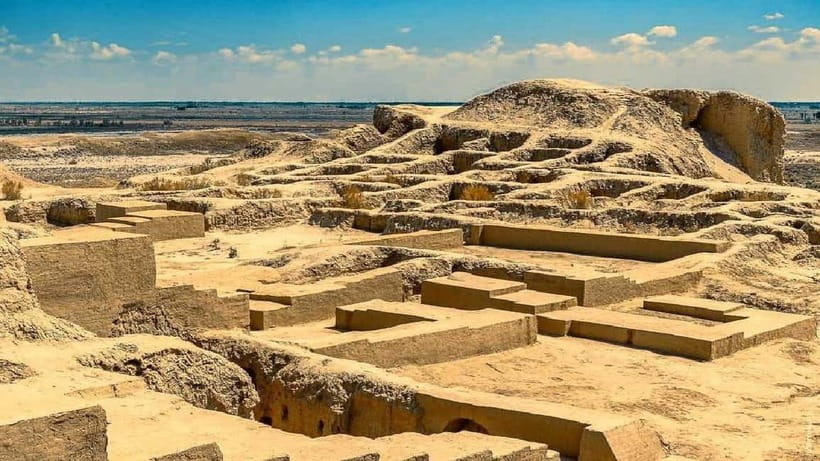
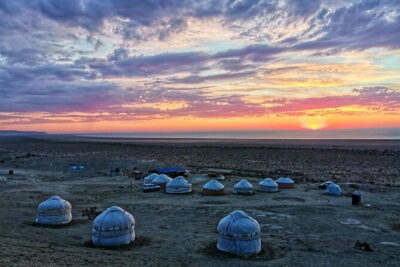
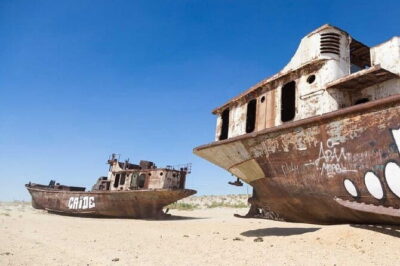
Daytrip From Khiva to Aral Sea Cemetery Of Ships . All In One
Read our review →Browse the lists this tour appears in