

Reviewed · TRAIN JOURNEYS
2 Days Tour to Bukhara and Samarkand from Tashkent by train
Samarkand and Bukhara are Uzbekistan’s heavyweight sights, and this tour links both in a remarkably short burst. You leave Tashkent early, reach Samarkand by 10:08, see its grand squares and tombs, then continue to Bukhara for a walking tour before returning to Tashkent the next evening. The high-speed Afrosiyob train makes this possible without long road transfers.
I like the efficient city-to-city planning and the fact that your own group travels privately, rather than being folded into a large coach. I also like the mix of famous monuments and ordinary city life, especially the Siyab Bazaar and Bukhara’s craft shops. The catch is simple: this is a very intense two days, with limited downtime and plenty of walking.
Key points at a glance
- Samarkand in one full afternoon: Registan, Bibi Khanim, Shah-i-Zinda, the observatory, and Siyab Bazaar are all included.
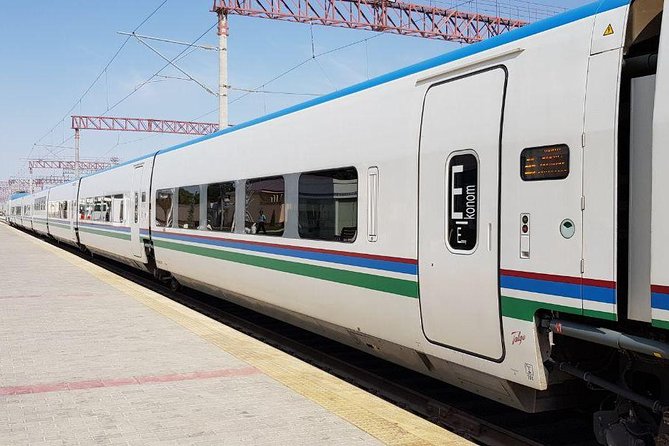
- Afrosiyob trains save precious hours: You travel from Tashkent to Samarkand and from Bukhara back to Tashkent by high-speed rail.
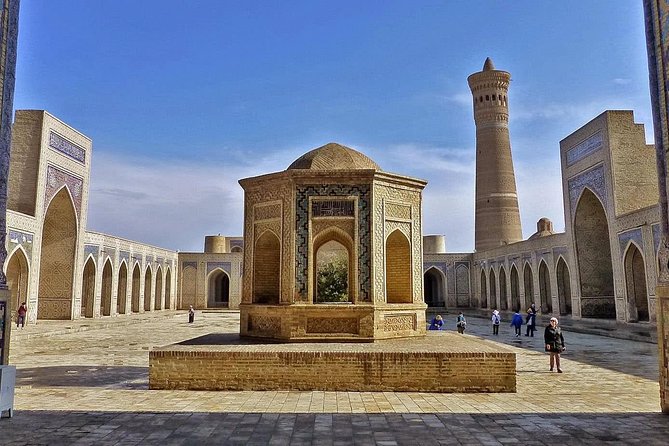
- Bukhara is explored on foot: Lyabi-Hauz, the trading domes, Poi Kalon, and the Ark form a compact old-city route.
- Private touring keeps the pace flexible: Only your group participates, with guides and drivers arranged for the transfers.
- The schedule is demanding: Summer heat can make the walking especially tough, with one July account reporting 41 degrees Celsius in Bukhara.
- Major admission costs are mostly covered: The Kalon complex and the Ark are listed as exceptions, with admission not included there.
Why this two-day route works
The clever part of this tour is not the number of sights alone. It is the rail planning. Uzbekistan’s major historic cities are far apart, so a short visit can easily become a string of tiring road rides. Here, the Afrosiyob train handles the long stretches while you sit back and watch the country pass by.
Your first morning begins with a 07:00 transfer to Tashkent railway station. The train leaves at 08:00 and arrives in Samarkand at 10:08. That gives you most of the day for sightseeing before the evening transfer to the station and onward rail journey to Bukhara.
On the second day, breakfast comes at the hotel before a 09:00 walking tour. The return train leaves Bukhara at 15:50 and arrives in Tashkent at 19:44. This is efficient, but there is little room for missed trains, long shopping stops, or a leisurely lunch.
The private format helps. Your group has its own guide and driver, and the operator has been praised for careful coordination of train tickets, sightseeing, and transfers. Names connected with the guiding team include Nodil in Samarkand, Shahrukh in Bukhara, and Mumin in tour coordination. English support is available, and Japanese guiding was arranged for at least some departures.
Other trips by rail from Tashkent:
- Tashkent Airport & Train Station Pick Up & Drop Off
★ 4.5 · 50 reviews - Day Tour to Samarkand from Tashkent by train.
★ 5.0 · 34 reviews - Uzbekistan 3 Day Private Tour Tashkent-Bukhara-Samarkand Bullet Train
★ 4.5 · 23 reviews
Registan gives Samarkand its grand opening
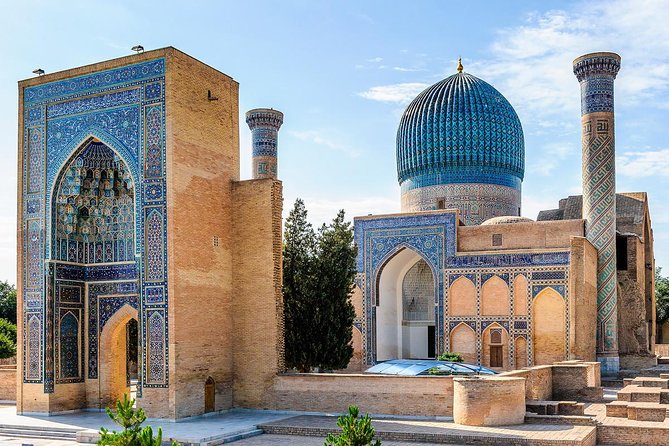
After you meet your guide and driver outside the Samarkand terminal, the tour begins with the city’s great architectural set pieces. Gur Emir Mausoleum is the first listed stop, with about an hour and admission included.
Gur Emir is the tomb of Timur, the medieval ruler whose empire reached across much of Central Asia. The blue-tiled dome and carefully decorated interior give you a useful introduction to Samarkand’s style before you reach the larger Registan. The stop is not just a photo break. It explains why Samarkand became a center of power and why Timur’s name appears so often in the city.
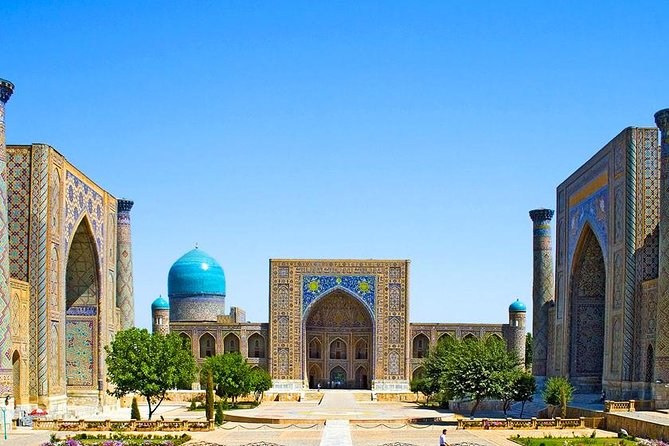
Then comes Registan Square, the place that usually defines Samarkand for first-time visitors. Three large madrassas frame the square: Ulughbek, Sherdor, and Tilla-Kari. Their tiled facades are so carefully balanced that the space feels designed for the camera, yet it was also a working center of study and public life.
Allow yourself time to look upward and across the whole square. The details are easy to miss if you rush from one doorway to the next. The tour allots about an hour, so your guide will need to keep the visit moving.
Bibi Khanim and Shah-i-Zinda add variety
Bibi Khanim Mosque follows Registan, with around 30 minutes listed for the stop. Its scale is the point. The complex was built on a grand imperial plan and gives you another view of Timur-era ambition, this time through a vast mosque courtyard and monumental arches.
The short time here means you should focus on the main visual details rather than expect a slow architectural study. It is also another place where sun and heat can matter, since much of the appeal comes from open courtyards.
Shah-i-Zinda is a different experience. This necropolis is a line of mausoleums with vivid tilework and narrow passages, creating a more intimate setting than Registan or Bibi Khanim. The name is linked to the living king, and the site carries an important religious character.
The route includes about an hour here. Wear shoes suitable for steady walking and expect steps or uneven surfaces at historic sites. The visual reward comes from looking closely at the blue, turquoise, and patterned tile rather than only taking in the full buildings.
The final Samarkand section combines Ulugh Beg Observatory and Siyab Bazaar. Ulugh Beg was a ruler and astronomer, and his observatory reflects the scientific side of medieval Samarkand. The surviving instrument and the site’s setting help explain the city’s role in astronomy, not just politics and religion.
At Siyab Bazaar, the mood changes. You get a taste of daily commerce, local food, and shopping rather than another monument. This is one of the tour’s best choices because it breaks up the sequence of domes and courtyards. The whole Samarkand program lasts into the evening, with a transfer to the railway station at about 20:00.
The rail connection to Bukhara is useful but late
The itinerary sends you from Samarkand toward Bukhara after the first day of sightseeing. The exact overnight hotel details are not specified, but breakfast is provided before the next morning’s program.
This arrangement lets you wake up in Bukhara instead of spending the second morning making a long transfer. It also means the first day is long. You will have been touring Samarkand for many hours before boarding the train, so this is not a soft start to a holiday.
That tradeoff is the heart of the tour. You gain two major cities in a short stay, but you give up the slower rhythm that makes both places easier to appreciate. If your schedule is tight, the choice makes sense. If you have several extra days in Uzbekistan, you may prefer more time in each city.
A few more things worth doing in Tashkent
- Fergana – Golden Valley From Tashkent 1 night / 2 days
★ 4.5 · 41 reviews - Yurt stay and Hiking in the Nurata Mountains tour – 2 days
★ 5.0 · 35 reviews - Aral Sea Adventures (2 day)
★ 5.0 · 30 reviews - From Khiva To Aral Sea 2-Days One Night In Yurt Stay
★ 4.6 · 20 reviews
Bukhara starts with Lyabi-Hauz
At 09:00, you meet your Bukhara guide for a walking tour beginning at Lyabi-Hauz. This ensemble centers on a pool surrounded by historic buildings, including Nadir Divanbegi Madrassa, a khanaka, and Kukeldash Madrassa. A monument to Khodja Nasreddin adds a lighter touch to the square.
Lyabi-Hauz is a good place to begin because Bukhara’s old center is compact and best understood on foot. You can move from one building to the next without repeatedly climbing onto a bus or waiting for a vehicle. The walking format also gives you a better sense of the old commercial quarter.
The route continues to Magoki Attari Mosque, one of the oldest surviving mosques in Bukhara. Its importance is partly architectural and partly archaeological, since the building reflects the layers of the city beneath its present streets.
A carpet museum is also included at this stop. That adds a useful cultural angle to the morning, especially if you want more than a procession of religious buildings.
Bukhara’s trading domes bring the city to life
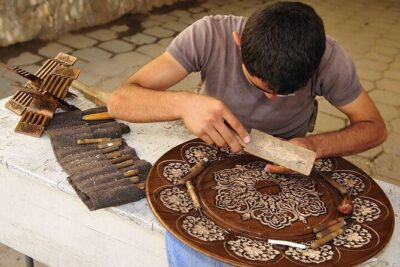
The next section reaches Bukhara’s old trade quarter. Abdullakhan’s Tim has shops selling souvenirs, ceramics, national clothing, and carpets. You also visit Caravanserai Sayfuddin, described as a center for Bukhara handicrafts, along with the three trading domes.
This is where you can judge your own interest. If you enjoy textiles, pottery, and small handmade goods, the stops offer time to browse. If shopping is not your priority, keep your visit focused and save energy for Poi Kalon.
The domes recall the days when merchants and craft workers gathered in the city center. Even if you do not buy anything, the spaces help you picture Bukhara as a trading crossroads rather than only a collection of monuments.
Your guide can also help you understand what is genuinely local and what is simply aimed at visitors. The tour’s private format is useful here because you are not tied to a large group’s shopping habits.
Poi Kalon is Bukhara’s great view
Poi Kalon Square brings together the Kalon Minaret, Kalon Mosque, and Mir Arab Madrassa. This is the architectural center of the Bukhara route and one of the places where the city’s scale becomes clear.
The Kalon Minaret is especially striking. It was built as both a religious marker and a visible symbol of Bukhara’s importance. The surrounding square gives you one of the best opportunities to see how the minaret, mosque, and madrassa work together as a single urban scene.
Admission to this stop is not included, so budget for an extra ticket. The schedule allows about an hour, enough to appreciate the square and its main buildings, but not enough for an unhurried study of every detail.
Because Bukhara’s tour is on foot, this is also the point where heat can become a real concern. One account of a July trip described 41 degrees Celsius and very little shade during a six-hour city walk. Carry water, protect yourself from the sun, and remember that the printed timing may feel much harder in midsummer than in spring or autumn.
The Ark is an exterior stop
The final major sight is the Ark Fortress, visited from the outside. The Ark was the fortified seat of Bukhara’s rulers, so even an exterior view helps you understand the city’s political structure and defensive past.
Do not expect a full interior tour here. Admission is not included, and the scheduled visit is listed as about 30 minutes. Treat it as a final architectural stop and photo opportunity before the station transfer.
At 14:50, your driver takes you to Bukhara railway station. The Afrosiyob train leaves at 15:50 and arrives in Tashkent at 19:44, followed by a driver meeting you outside the terminal. That last transfer is a helpful detail after a full day on foot.
What the $499 price really covers
At $499 per person, this is not a bargain-priced independent rail trip. The value comes from packing several expensive and time-sensitive pieces into one arrangement: train travel between three cities, station transfers, private guides, a driver, a hotel stay, breakfast, and admission to most listed attractions.
The price is easier to justify if you have only two days available and do not want to arrange Afrosiyob tickets, city transfers, guides, and Bukhara accommodation yourself. The operator’s role is mainly coordination, and that matters when the schedule depends on several exact departures.
It is less attractive if you already speak the local language, are comfortable arranging rail tickets, or want to choose your own pace. You may also need to pay separately at Poi Kalon and the Ark, since those admissions are not included.
Group discounts are offered, which could improve the value if you are traveling with several people. The activity is private, so the cost is tied to your group rather than a large shared departure.
Who should book this fast-paced tour
I would choose this tour if you have a short Uzbekistan visit and want the strongest possible introduction to Samarkand and Bukhara. It also suits solo visitors who want help with logistics and travelers who prefer a guide at major monuments rather than handling every detail alone.
The tour is a good fit for people who value efficiency, rail travel, and private arrangements. The high recommendation rate and 4.9 rating from 53 reviews point to strong satisfaction with organization, communication, friendly guides, and timing.
I would think twice if you dislike early departures, long sightseeing days, or fixed schedules. The program is intense even in comfortable weather, and summer heat can make the walking very tiring. Bukhara receives only one morning, while Samarkand is handled in one extended afternoon and evening.
Confirmation is sent within 48 hours, subject to availability. Most people can participate, and the tour is near public transportation. You can cancel for a full refund at least six full days before the start time. A cancellation two to six days ahead receives 50 percent back, while cancellations less than two days before the start are nonrefundable.
Should you book it?
Book this tour if your main goal is to see the signature sights of Samarkand and Bukhara without losing time to road travel or complicated planning. The Afrosiyob trains, private format, station pickups, and well-organized guide network make a difficult route practical.
Skip it if you want long museum visits, slow meals, independent wandering, or a break from a packed schedule. For a short first look at Uzbekistan’s two headline cities, though, this is a sensible and well-planned choice. Just bring comfortable shoes, protect yourself from the sun, and accept that you are choosing breadth over a leisurely pace.
FAQ
How long is the tour?
The tour lasts approximately two days.
Where does the tour begin?
The tour begins in Tashkent, with a transfer to the railway station scheduled for 07:00 on the first day.
Which train is used?
The tour uses the Afrosiyob high-speed train between Tashkent, Samarkand, and Bukhara.
What time does the train leave Tashkent?
The train leaves Tashkent at 08:00 and arrives in Samarkand at 10:08.
Which sights are visited in Samarkand?
The route includes Gur Emir Mausoleum, Registan Square, Bibi Khanim Mosque, Shah-i-Zinda, Ulugh Beg Observatory, and Siyab Bazaar.
Which sights are visited in Bukhara?
The Bukhara route includes Lyabi-Hauz, Magoki Attari Mosque, a carpet museum, the trading domes, Poi Kalon Square, and the exterior of the Ark Fortress.
Is this a private tour?
Yes. Only your group participates in the activity.
Are attraction tickets included?
Admission is included for the listed Samarkand stops and several Bukhara stops. Admission is not included for Poi Kalon and the Ark Fortress.
What is the cancellation policy?
You can receive a full refund by canceling at least six full days before the start time. Cancellations two to six full days ahead receive a 50 percent refund, while cancellations less than two full days before the start are not refunded.
Just added in Tashkent
- Fergana One Day Tour From Tashkent★ 3.4 · 8 reviews
- Discover Uzbekistan – explore top destinations: Samarkand, Bukhara & Tashkent★ 4.5 · 6 reviews
- Tashkent Chimgan Mountains, Charvak Reservoir and Amirsoy Resort★ 5.0 · 6 reviews
- Ten Bites Adventure Food Tour in Tashkent★ 5.0 · 6 reviews
- Tashkent Private Full-Day City Tour on a Premium Car★ 5.0 · 6 reviews
- Tashkent City Highlights Guided Walking Tour★ 5.0 · 6 reviews
- Legends and Crafts: Suzani Masterclass & Cultural Immersion★ 5.0 · 11 reviews
- Plov and Samsa Cooking Class in Tashkent★ 4.3 · 6 reviews
Train Journeys, compared.

Uzbekistan 3 Day Private Tour Tashkent-Bukhara-Samarkand Bullet Train
Read our review →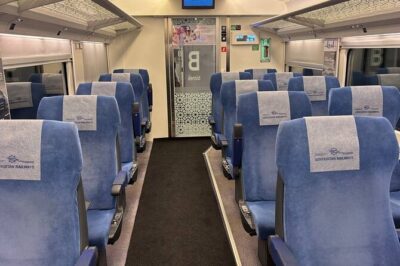
Afrosiyob high speed train tickets – Guaranteed Pass
Read our review →
Samarkand One Day Private Tour from Tashkent with Bullet Train
Read our review →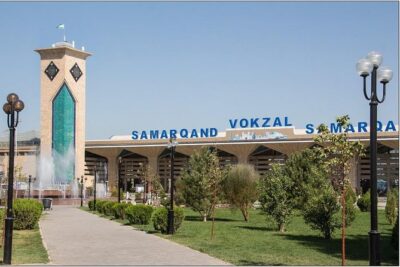
Samarkand Airport / Railway Station – Samarkand City Transfer
Read our review →Browse the lists this tour appears in