
Reviewed · YURT CAMP STAYS
Desert Adventure from Samarkand: Yurt Camp & Aydarkul Escape
A short camel ride, a swim in Aydarkul Lake, and Kazakh songs beneath a desert sky give this trip its appeal. You get a taste of Uzbekistan beyond the famous monuments, with Nurata’s springs and fortress ruins on one day and a quiet yurt camp on the next.
I especially like the route’s variety and the comfortable private transport. The 10 to 15 minute camel ride is easy to fit into the schedule, while the lake offers a welcome break from the road. The main drawback is the heat and the long stretches of downtime, especially in summer. At 43°C, even a pleasant stop can feel tiring.
Key points to know before booking
- The route links Samarkand or Bukhara with Nurata, Aydarkul, and the desert. It works well as a transfer between the two cities.
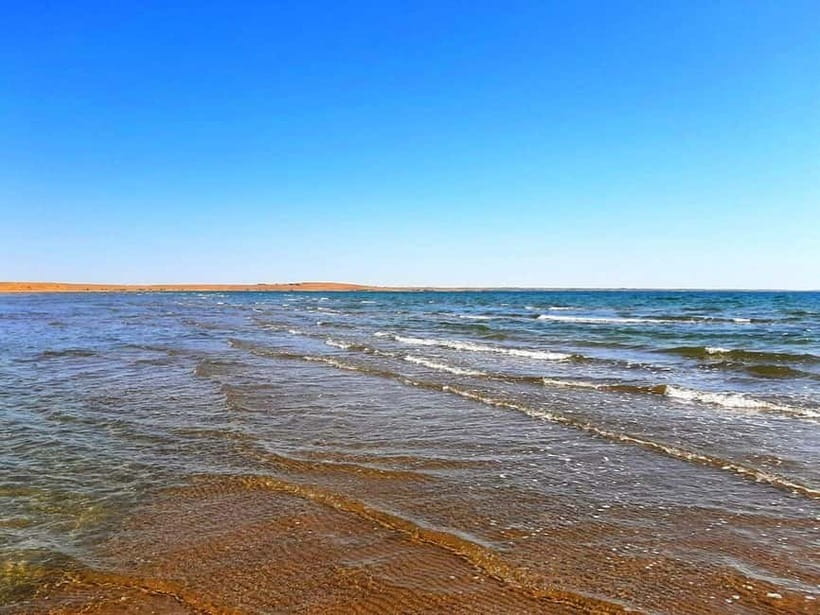
- Aydarkul Lake provides the trip’s best cooling stop. Swimming is included in the plan, though time at the lake can feel long in extreme heat.
- The evening performance is a real highlight. A local Kazakh akyn sings traditional songs around the fire at the camp.
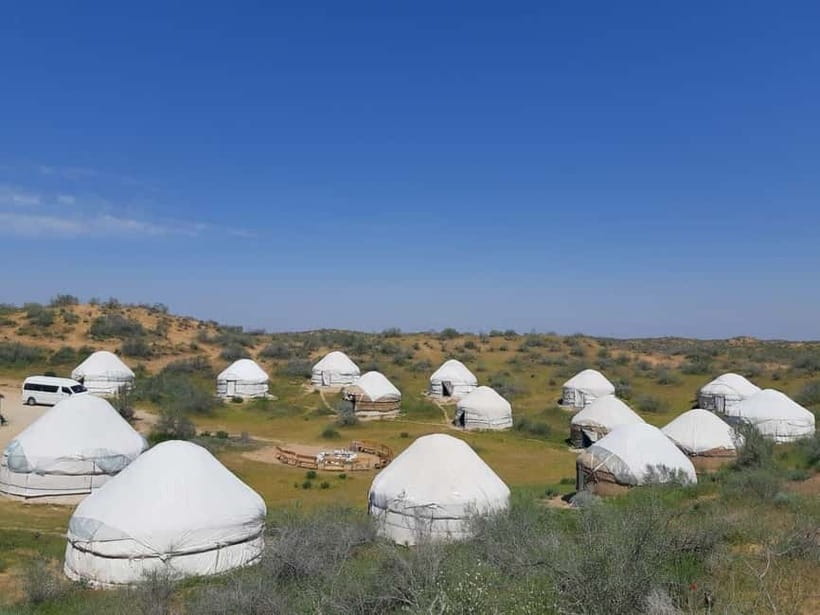
- You get a private or shared yurt. Private yurts hold one to four people, while shared yurts hold one to six.
- The road stops add cultural interest. Chashma, Rabat-i-Malik, and the Gijduvan pottery workshop keep this from being just a desert overnight.
- The driver matters here. Khasan has been praised for careful driving, good English, kindness, and willingness to answer questions.
Why this two-day desert trip works
This is not a simple overnight in a tent. It is a broad slice of central Uzbekistan packed into two days: a holy spring, a ruined fortress, a lake, a desert camp, caravan history, pottery, and music.
That variety is the tour’s greatest strength. You spend plenty of time on the road, but the route gives each journey a purpose. If you are moving between Samarkand and Bukhara, this can replace a plain transfer with a much more memorable night.
The price is $200 per person. That includes the driver and all transfers, registration, a lunch, dinner, breakfast, camel riding, and the music performance. You also have a choice between a private yurt and a shared yurt, with the final price depending on that selection.
I see the price as reasonable for a two-day private transfer with an overnight stay and meals. It is not the cheapest way to get from one city to another, but you are paying for the route, the accommodation, and the stops along the way. If you are only interested in seeing Samarkand and Bukhara, the extra cost may not suit you. If you want the desert and Aydarkul without arranging several separate rides, the value is stronger.
Other desert trips from Samarkand:
- 2 Days of Tour in Yurt Camp and Aydarkul
★ 5.0 · 15 reviews - Desert yurt camp and Mountain tour – 3 days
★ 4.5 · 15 reviews - Desert Yurt Camp tour – 2 days (shared)
★ 4.5 · 13 reviews
Day one begins with Nurata’s Chashma spring
The first day starts with pickup at your hotel in Samarkand or Bukhara. Pickup from hotels in Samarkand is free, and the starting point depends on the option you choose.
The drive takes you toward Nurata, where the first major stop is the Chashma memorial complex. Admission is not included and costs $2. This is a small extra, but you should keep some local currency or a little cash available for it.
Chashma is built around a spring and has religious importance. The setting gives you a useful introduction to local beliefs and daily life before the trip moves farther into the desert. Your driver or guide can explain the site, but keep in mind that a separate tour guide is not included. The service provides an English-speaking driver, not a dedicated historian accompanying you at every stop.
Nearby are the ruins of the garrison linked with Alexander the Great. The remains are not a complete fortress, so you should come for the setting and the story rather than a fully preserved monument. The stop is still worthwhile because it connects the quiet modern town of Nurata with the military routes that once crossed this part of Central Asia.
I like this opening because it avoids rushing straight to the camp. You first get a historical stop, a religious site, and a chance to learn from the person driving you. Khasan, named in one account of the trip, was especially appreciated for answering questions in English and handling the roads carefully.
A local-house lunch and the road to Aydarkul
Lunch is served at a local house. This is a practical part of the day, but it also gives the meal a more personal setting than a standard roadside restaurant.
The meal is included, and portions have been described as good and generous. Vegetarian food is possible, but you should make your dietary needs clear more than once. One account describes a problem where the agency had been told about vegetarian requirements, but the driver did not know, leaving the group to sort out dinner at the camp.
That is useful advice for anyone with dietary restrictions: confirm the request before departure and remind the driver at pickup. The information specifically confirms vegetarian options at the camp, but attention to those needs may not be consistent at every meal.
After lunch, the route continues toward Aydarkul Lake. The drive is part of the experience. You see the scenery change as the route moves away from settled areas and toward open desert and water.
Aydarkul Lake gives the desert a cool pause
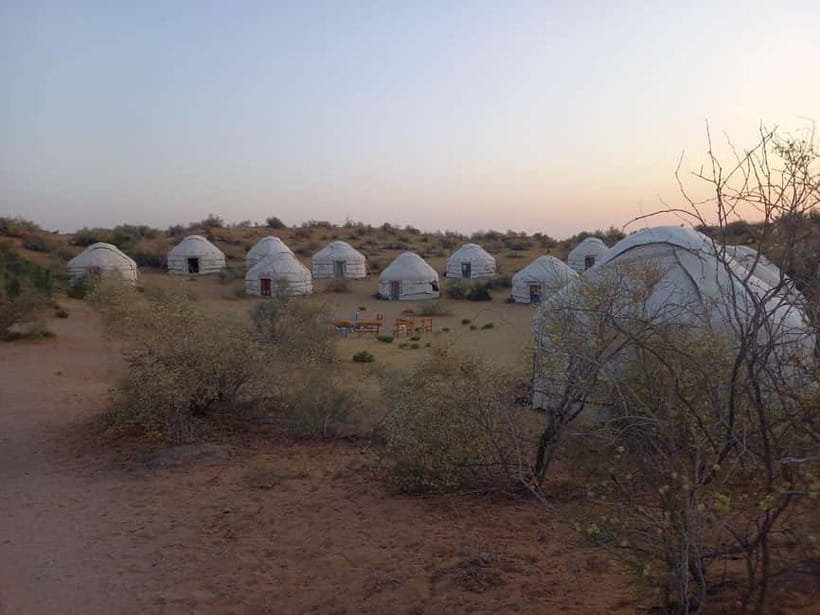
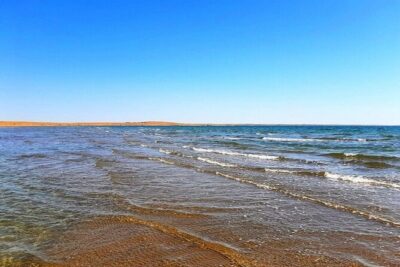
Aydarkul is the trip’s natural change of pace. After the morning’s ruins and the long drive, you get time beside the lake for a short rest, desert entertainment, and swimming.
The contrast is striking: dry ground around you, then a broad body of water where you can cool off. Bring swimwear, a towel, sunscreen, and drinking water. Bottled water has been distributed on the trip, but I would still carry your own supply, especially during the hottest months.
The lake stop is best in mild weather. Summer heat can reach 43°C, and that changes the experience. Sitting by the water may sound relaxing, but if shade is limited and the schedule leaves you waiting, the stop can become uncomfortable. One practical improvement would be to adjust the timing or add more activities during very hot periods.
This is also where expectations matter. The program promises time at the lake, not a full day of water sports. You get a swim and a break, not a developed beach resort. That suits you if you want a simple desert stop, but not if you expect a packed schedule of activities.
More nights under canvas near Samarkand:
- Yurt stay and Hiking in the Nurata Mountains tour – 2 days
★ 5.0 · 35 reviews - Yurt Camp Tour with Night from Bukhara
★ 3.8 · 35 reviews - From Khiva To Aral Sea 2-Days One Night In Yurt Stay
★ 4.6 · 20 reviews - Adventure to Desert Kyzyl Kum and Yurt Camp
★ 3.7 · 10 reviews
Camel riding and the arrival at camp
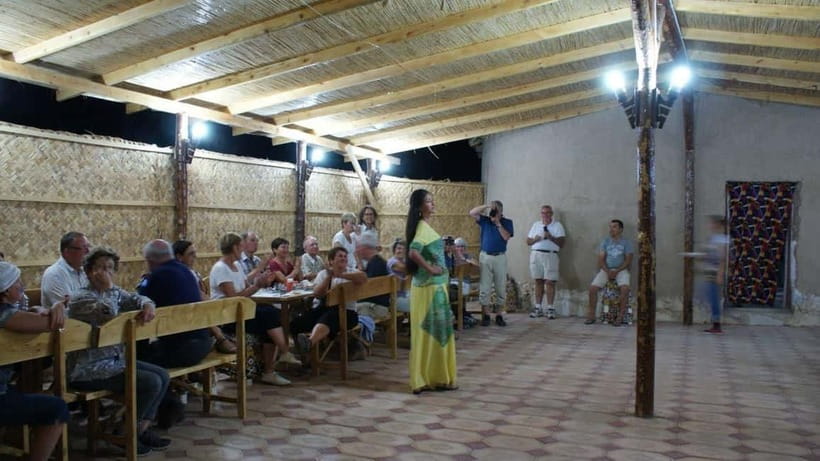
From Aydarkul, you continue to the yurt camp. On arrival, you get a short camel ride lasting about 10 to 15 minutes.
The ride is brief, but that is part of its charm. You can try the experience without committing to a long trek in the heat. It also gives you a memorable photo opportunity, though the short duration means you should not book this expecting a serious camel expedition.
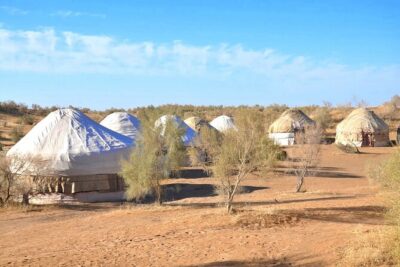
The camp provides a private or shared yurt. A private yurt is for one to four people and gives your group full privacy. A shared yurt accommodates one to six people and costs less, with a more social feel.
The choice affects the character of the night. I would choose a private yurt if you want quiet, space for your belongings, and a more restful night. The shared option makes more sense if price matters or you enjoy meeting people from other groups.
Comfort can vary. Some people find the camp attractive and memorable, while another account found the yurt camp and food less appealing. That difference is worth noting. You should picture this as a traditional desert camp, not a hotel with full modern services.
Dinner, stars, and Kazakh songs by the fire
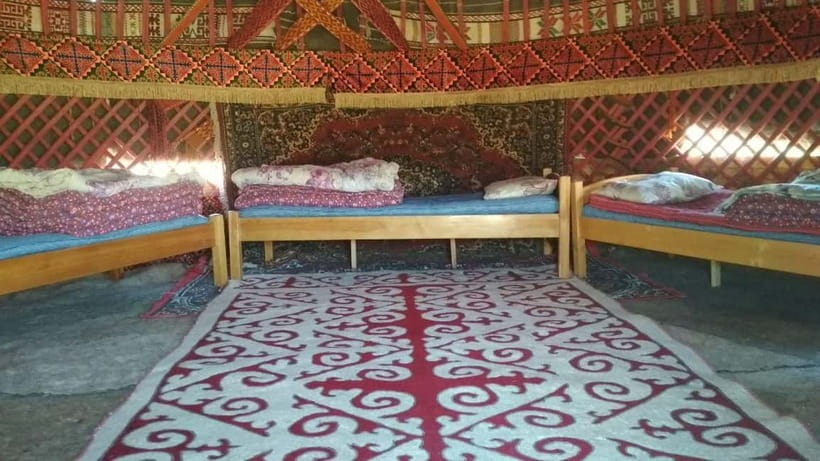
Dinner is included at the camp, and vegetarian options are available. Meals have been described as good and filling, though the handling of special diets deserves advance attention.
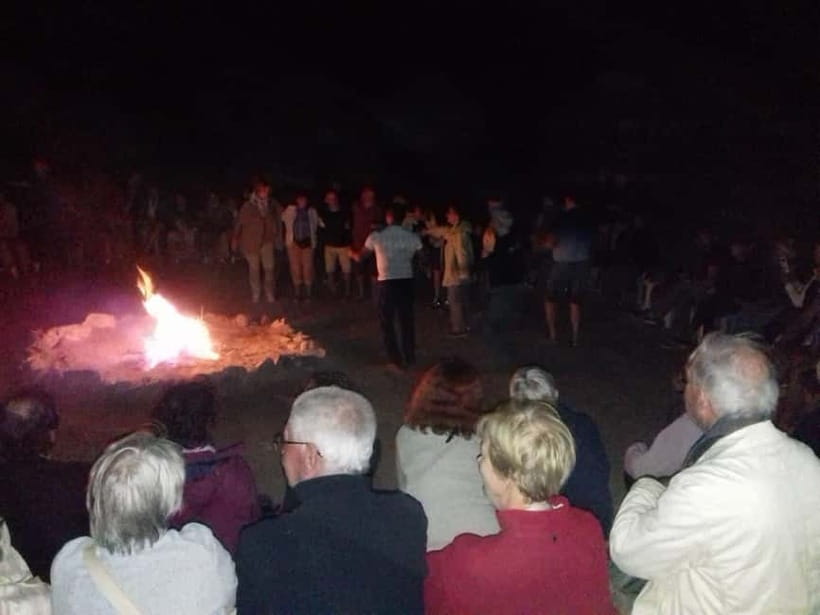
The evening performance is one of the most distinctive parts of the trip. A local Kazakh akyn performs folk songs around the fire. An akyn is a traditional singer and poet, and this kind of performance gives the evening a cultural setting that a standard hotel night cannot provide.
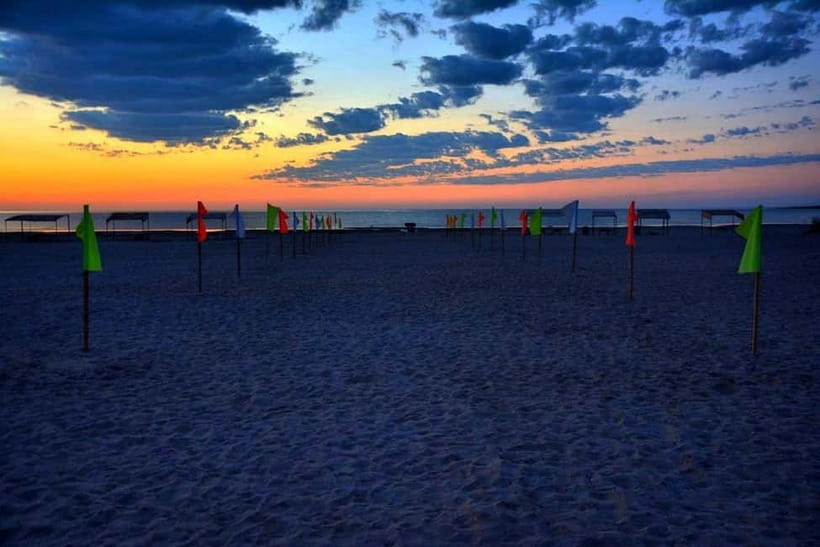
The music, the yurts, and the open desert create the feeling you probably came for. The timing also matters. A sunset over the camp and a clear, star-filled sky can make the overnight feel special, particularly after the long road journey.
You should keep your expectations practical. This is a local performance arranged for camp visitors, not a large concert or formal stage show. Its appeal comes from the setting and the closeness of the performance.
The overnight is in the yurt. The information does not specify bathroom arrangements, heating, or cooling, so ask the provider if those details are important to you. The trip is not suitable for people over 95, and the heat, walking surfaces, and camel mounting may also matter if you have mobility concerns.
Day two follows the old caravan road
Breakfast comes at the camp before the transfer to Samarkand or Bukhara. The second day is mainly a return journey, but two stops keep it from being a straight drive.
The first is Rabat-i-Malik, a historic caravanserai. Caravanserais were rest stations for merchants and their animals along long-distance trade routes. Rabat-i-Malik helps you understand how important this region was for movement across Central Asia.
The structure is especially useful as a counterpoint to the desert camp. At the yurt camp, you experience a modern version of desert hospitality. At Rabat-i-Malik, you see the remains of the older network that made journeys across this dry region possible.
The stop is not a full guided tour with a dedicated historian. You will have the driver and the time arranged by the provider, but a separate guide is not included. If you want detailed architectural or historical interpretation, ask questions in advance or bring a guidebook.
Gijduvan pottery brings the trip back to daily life
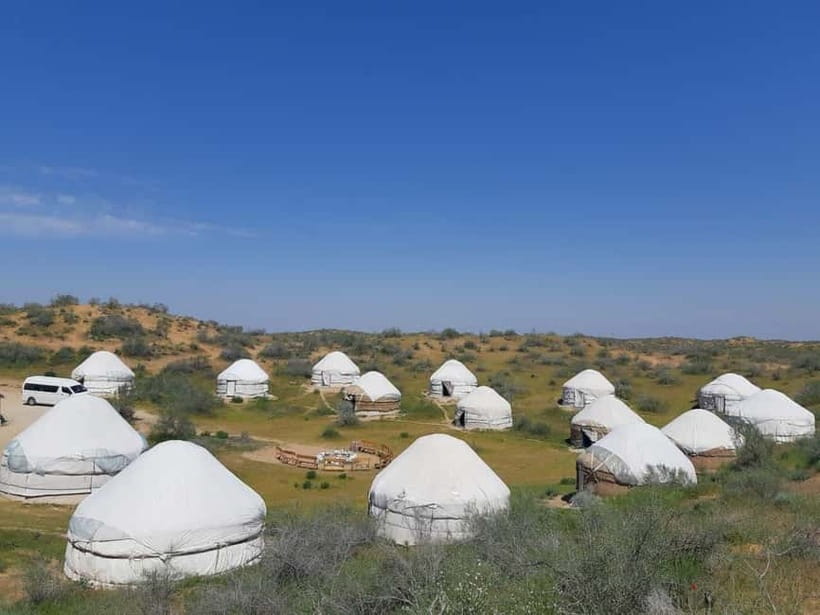
The second major stop on day two is a pottery workshop in Gijduvan. This is a useful change after the archaeological sites and the desert.
Pottery gives you a direct connection to local craft. Instead of seeing only old buildings, you see a living skill being practiced and explained. It also gives you a chance to buy a locally made item if you wish, though purchases are not included and the provided information does not promise a demonstration length or shopping time.
The workshop helps make the route feel less like a string of photo stops. You get a look at work that still has a place in everyday life. For me, that is one reason to choose this route over a faster transfer between the two cities.
The final drop-off can be arranged at your preferred hotel, train station, or airport. The stated options include Samarkand or Bukhara, so this trip can work as part of a larger Uzbekistan route rather than just a round trip from one base.
Transport, language, and group size
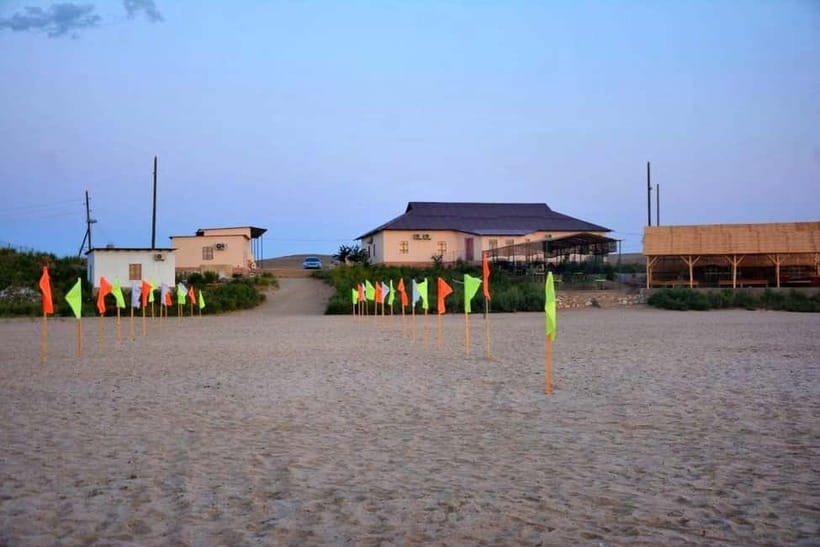
The experience uses round-trip transport with a driver or instructor. The driver speaks Uzbek and English. An English-speaking driver makes a real difference on a route with several historical stops, especially when you want basic explanations or need help during a long travel day.
Khasan received particular praise for safe driving, kindness, and answering questions in English. Those details matter because the route covers substantial distance, and a calm driver makes the journey much easier.
A private group is available. The yurt itself can also be private for one to four people, or shared with up to six people. Confirm both choices when booking, since a private vehicle and a private yurt are separate matters.
The schedule can feel relaxed, but at times too relaxed. Long pauses at the lake or camp may be pleasant in spring and autumn, yet less enjoyable during the hottest part of summer. I would choose the cooler seasons if your dates are flexible.
Who should book this experience
I would recommend this trip to you if you want more than Uzbekistan’s major city monuments. It suits people who enjoy long scenic drives, simple accommodation, local food, modest outdoor activities, and a mix of history and culture.
It is also a smart option if you need to travel between Samarkand and Bukhara. Rather than losing a day to a plain transfer, you add Nurata, Aydarkul, a yurt camp, Rabat-i-Malik, and Gijduvan.
You may want another option if you dislike long drives, basic camp conditions, or flexible stretches of free time. The camel ride is short, and the lake is not a full activity center. Extreme heat can also make the schedule harder than it looks on paper.
Free cancellation is available up to 24 hours before departure, and you can reserve now and pay later. Those terms make it easier to hold a place while you settle the rest of your Uzbekistan plans.
Should you book the Samarkand desert escape?
Book it if you want a compact taste of desert life, a night under a yurt roof, and a route filled with more than one type of sight. The strongest parts are the range of stops, the evening Kazakh music, the lake swim, and the careful service provided by drivers such as Khasan.
Think twice if you are visiting in peak summer and dislike heat or unstructured time. In that case, ask about departure timing, lake breaks, and meal arrangements before paying.
At $200 per person, I see this as a fair package for private transfers, meals, overnight accommodation, camel riding, and several cultural stops. It is best understood as a two-day route through central Uzbekistan, not as a luxury camp holiday. With that expectation, it offers a memorable and practical way to connect Samarkand, Bukhara, and the desert.
FAQ
Where does the tour start?
The tour can start in Samarkand or Bukhara, depending on the selected option. Free pickup is available from hotels in Samarkand.
Where can I be dropped off?
You can be dropped off in Samarkand or Bukhara, including at a hotel, train station, or airport.
Is a tour guide included?
No separate tour guide is included. The package provides a driver or instructor, and the driver speaks Uzbek and English.
How long is the camel ride?
The included camel ride lasts approximately 10 to 15 minutes.
Is swimming at Aydarkul Lake included?
Yes. The first day includes time at Aydarkul Lake for swimming, rest, and desert entertainment.
Can I have a private yurt?
Yes. A private yurt is available for your group of one to four people. A shared yurt can hold one to six people and costs less, with the final price depending on your selection.
Are meals included?
One lunch, one dinner, and one breakfast are included. Vegetarian options are available at the camp, but you should confirm dietary requirements before departure.
Just added in Samarkand
- Samarkand City Tour: Ancient Domes & Timeless Stories★ 5.0 · 5 reviews
- Samarkan City Tour From Tashkent★ 4.3 · 5 reviews
- Samarkand Ancient Silk Road City Tour w/ Pickup & Lunch Option★ 5.0 · 9 reviews
- All in One Day Tour of Samarkand from Tashkent★ 4.9 · 11 reviews
- Two Days in Fann Mountains at Iskandarkul and Sevenlake★ 5.0 · 6 reviews
- Seven Lakes Tajikistan Private Excursion From Samarkand★ 4.0 · 11 reviews
- Samarkand Walking Tour★ 4.5 · 8 reviews
- From Samarkand: Day tour to the Tajiksitan Alexander lake.★ 4.8 · 9 reviews
Yurt Camp Stays, compared.
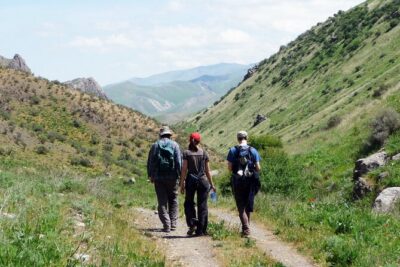
Yurt stay and Hiking in the Nurata Mountains tour – 2 days
Read our review →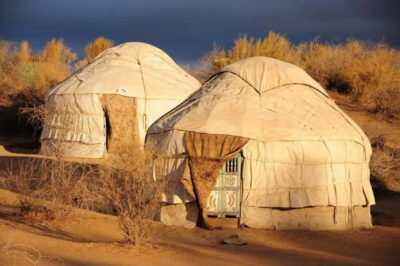
Browse the lists this tour appears in