
Reviewed · FERGANA VALLEY TOURS
Fergana – Golden Valley From Tashkent 1 night / 2 days
Fergana’s appeal is simple: this is where Uzbekistan feels most connected to working traditions. In two days, you move from Kamchik Pass mountain views to Kokand’s royal monuments, then into Margilan’s handwoven silk and Rishtan’s painted ceramics. I like that the route gives you more than grand buildings. You meet the crafts that still shape daily life in the valley.
I also like the private format and the thoughtful pickup service from your hotel, airport, or railway station. Guides such as Ali have been praised for clear English, warm manners, practical advice, and useful tips for the rest of your time in Uzbekistan. The main drawback is the long road time: day one includes about five hours of driving, and the two-day schedule is busy rather than leisurely.
Key points at a glance
- Kamchik Pass reaches about 2,268 meters, with a stop near 2,000 meters for views toward the Western Tien Shan.
- Kokand combines palace, mosque, and royal necropolis, making it the historical heart of the first day.
- Margilan’s Yodgorlik factory shows handmade silk production, including ikat and batik work.
- Kumtepa Bazaar runs on Thursdays and Sundays only, so your travel dates matter.
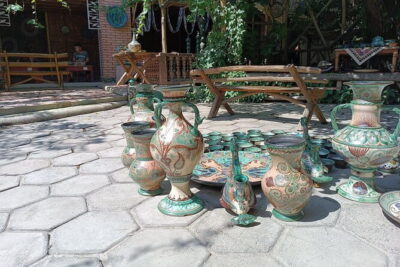
- Rishtan offers a hands-on look at Uzbek ceramics, including a visit to a master’s home.
- The $230 price covers transport, guide, hotel, breakfast, entrances, and taxes, but not lunch, dinner, or personal purchases.
Why Fergana makes a good two-day extension from Tashkent
The Fergana Valley is often described as Uzbekistan’s Golden Valley, and this trip shows why the name matters. It is not just a scenic region between mountain roads. It is a broad cultural area known for silk, ceramics, markets, historic khanates, and close links between home workshops and local trade.
You leave Tashkent at 8:00 in the morning, with pickup from a hotel, airport, or railway station. That flexibility is useful if you are fitting the trip around a larger Uzbekistan itinerary. The route is private, so you are not tied to a large group’s pace. You can ask the driver to stop for a break or lunch, as long as you remember that meals are not included.
The road from Tashkent to Margilan is about 300 kilometers and takes roughly five hours with sightseeing stops. That is a serious amount of time in the vehicle, but the journey has a clear purpose. You cross Kamchik Pass, visit Kokand, and finish in the silk center of Margilan rather than spending the whole day on a motorway.
The air-conditioned vehicle matters, especially in warmer months. You should still wear comfortable clothes and shoes. Food and drinks are not allowed in the vehicle, so plan your stops rather than expecting to snack on the road.
Other craft-town trips from Uzbekistan:
- Fergana Valley Tour
★ 4.0 · 17 reviews - Fergana One Day Tour From Tashkent
★ 3.4 · 8 reviews - Fergana Valley 2-Day Private Tour
★ 5.0 · 4 reviews
Kamchik Pass and the road into the valley
Kamchik Pass is the first major stop and one of the most memorable parts of the route. At its highest point, it reaches about 2,268 meters above sea level. The tour stops around 2,000 meters, where you can look toward the mountains of the Western Tien Shan.
The pass is also the main transition route between Tashkent and the Fergana Valley, which gives the stop more meaning than a quick photo break. You are seeing the physical gateway between the capital and the valley, and the road has strategic importance for that reason.
Spring may bring mountain tulips, but this is a seasonal possibility rather than a guaranteed sight. Weather can affect the views, too. I would treat the pass as a chance to enjoy open mountain scenery, not as a promise of a specific flower display.
If you are sensitive to changes in altitude, keep the stop easy and tell your guide if you need a slower pace. The tour is described as wheelchair accessible, but mountain viewpoints and historic sites can have different surfaces and access conditions. Ask the provider about the exact arrangements if that is important for you.
Kokand’s khanate monuments in one concentrated visit
After crossing the pass, you reach Kokand, known here as the City of Winds. The city was the seat of the Kokand khans, and the tour focuses on three important places connected to that ruling period.
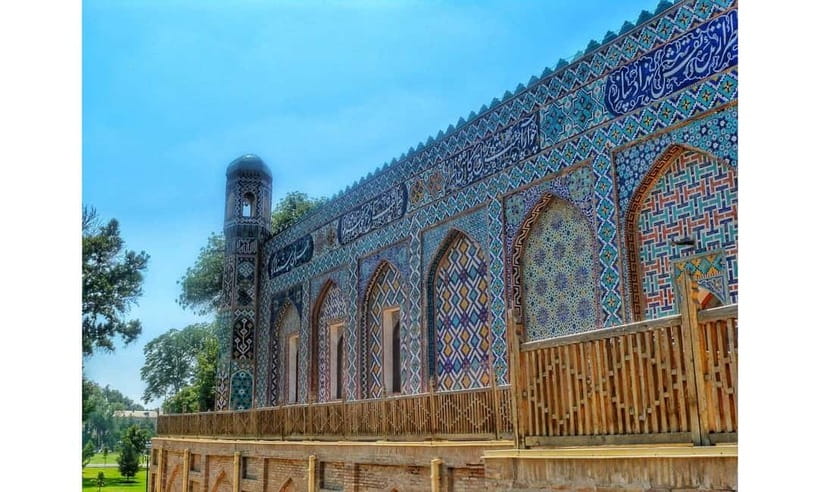
Khudayarkhan Palace is the centerpiece. It was the residence of the last khans of Kokand and gives the visit a strong sense of place. Rather than seeing only a restored exterior, you get a starting point for understanding the political life of the city and the role Kokand played in the valley.
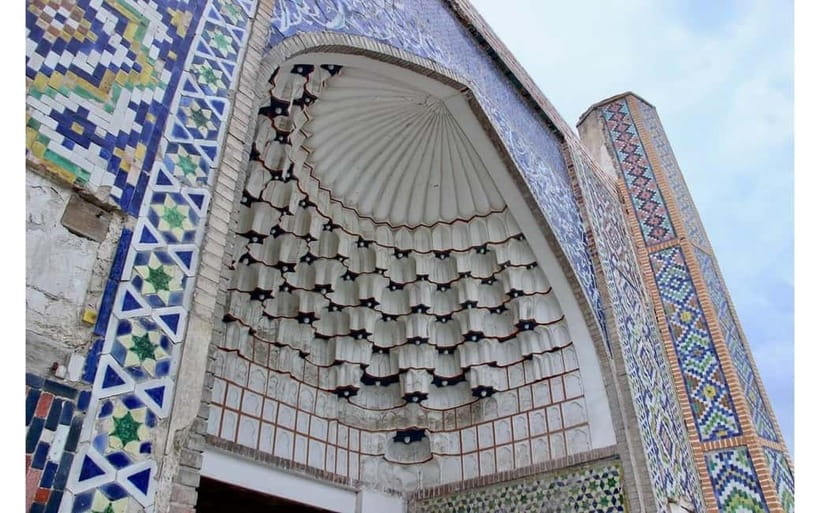
The Jami Mosque adds a religious and civic counterpoint to the palace. You then visit Dakhmai Shahan, a necropolis associated with the last khans. Together, these stops give you a compact look at royal power, worship, and burial customs.
The guide is particularly useful here. Ali has been praised for explaining local history and customs in clear English, and for making the past easier to follow. If Ali leads your departure, you can expect plenty of context rather than a quick walk from monument to monument. English and Russian are the stated guiding languages, and French is also listed for the first day.
Kokand is not treated as an all-day museum visit. That is both a strength and a limit. You see the main sights efficiently, but anyone wanting a slower study of the city will find the schedule fairly tight.
Margilan, where silk is still made by hand
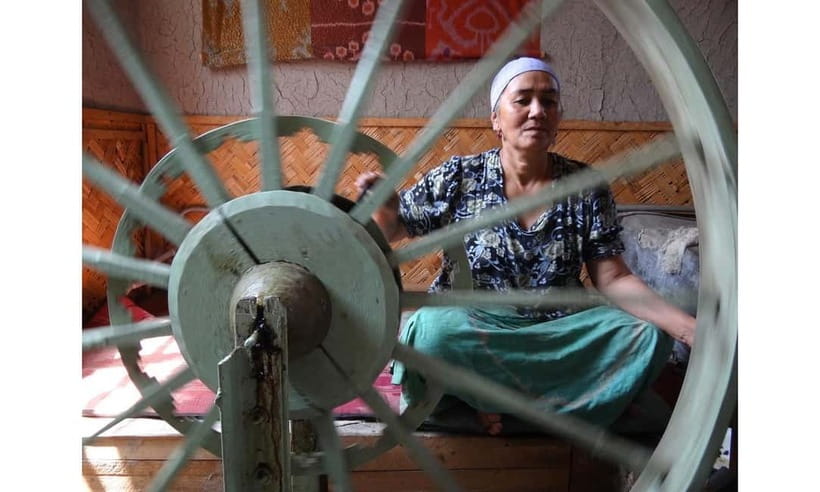
Margilan is the craft center of this route and the place where the tour shifts from royal history to living production. The city is one of Central Asia’s main silk centers, and the visit to the Yodgorlik factory is the practical highlight.
You learn how handmade silk materials are produced and see the work behind patterns such as ikat and batik. This matters because the finished fabric can look effortless in a shop, while the making process is anything but simple. The factory visit gives you a better basis for judging the cloth you may see or buy later.
I like this stop because it connects local industry with daily skill. You are not simply shown a finished souvenir. You get an introduction to the process and to the role silk has played in the region.
The program also includes a local bazaar visit in Margilan. That adds a useful contrast. The factory presents careful production, while the market shows how goods, food, and ordinary commerce move through the city. You should allow some room in your budget for personal purchases, since shopping is not included in the $230 price.
You spend the night in Margilan, although the hotel may instead be in Fergana. The accommodation is described as a three-star hotel or alternative boutique hotel, with breakfast included. It is not a bed-and-breakfast arrangement. Ask for the exact hotel before departure if location or room style matters to you.
A few more things worth doing in Uzbekistan
- Yurt Camp Tour with Night from Bukhara
★ 3.8 · 35 reviews - From Khiva To Aral Sea 2-Days One Night In Yurt Stay
★ 4.6 · 20 reviews - Sunset walking tour of Samarkand
★ 4.9 · 16 reviews - Aral Sea Tour from Nukus 1 night / 2 days
★ 4.8 · 8 reviews
Kumtepa Bazaar, scheduled around market days
Day two begins with Kumtepa Bazaar, but there is one important catch: it operates only on Thursdays and Sundays. If your dates do not match those days, this part of the program may need to be changed, so confirm the schedule before booking.
Kumtepa is presented as a large Oriental-style market where almost everything appears together. The point is not a polished shopping center. It is the chance to see a local commercial setting with its crowded displays, mixed goods, and quick movement.
This kind of stop rewards curiosity more than a strict shopping list. You may find the organization chaotic, but that is part of the experience. Keep your belongings close, wear comfortable shoes, and give yourself time to look carefully.
The market also shows why the valley is more than a collection of historic sites. Silk and ceramics are important, but so are the ordinary buying and selling habits that keep towns working. If you prefer quiet museums and tidy displays, Kumtepa may feel intense. If you want a direct look at local commerce, it is one of the more distinctive stops.
Rishtan ceramics and a master’s workshop
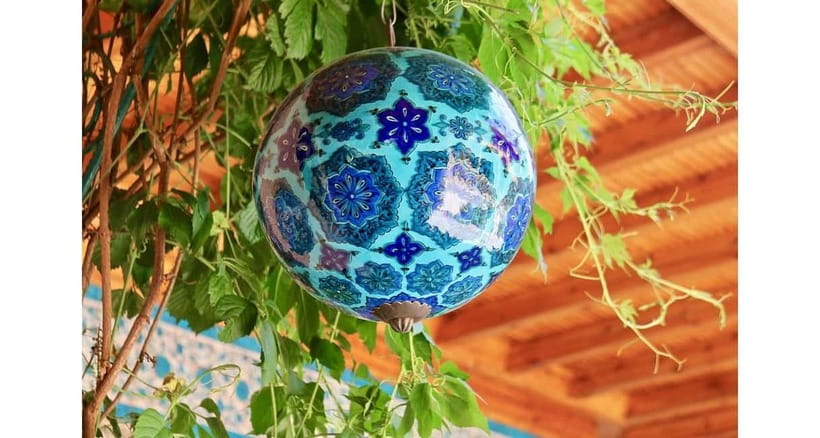
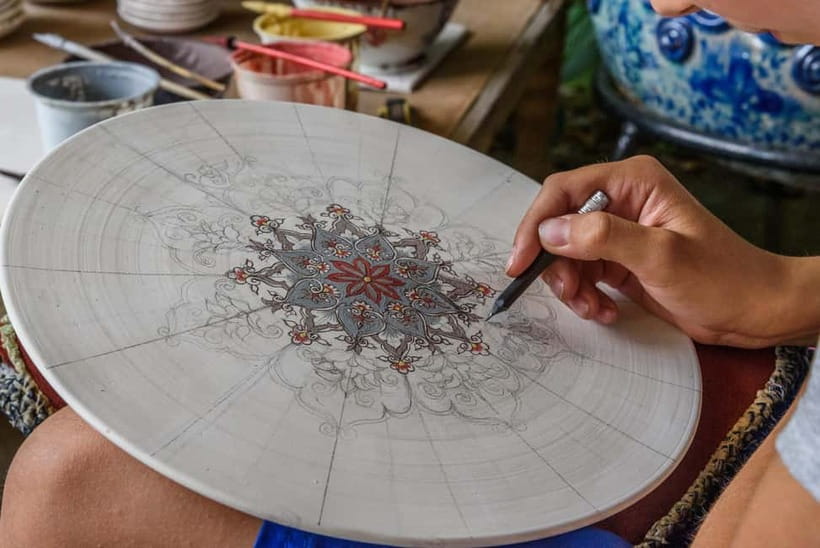
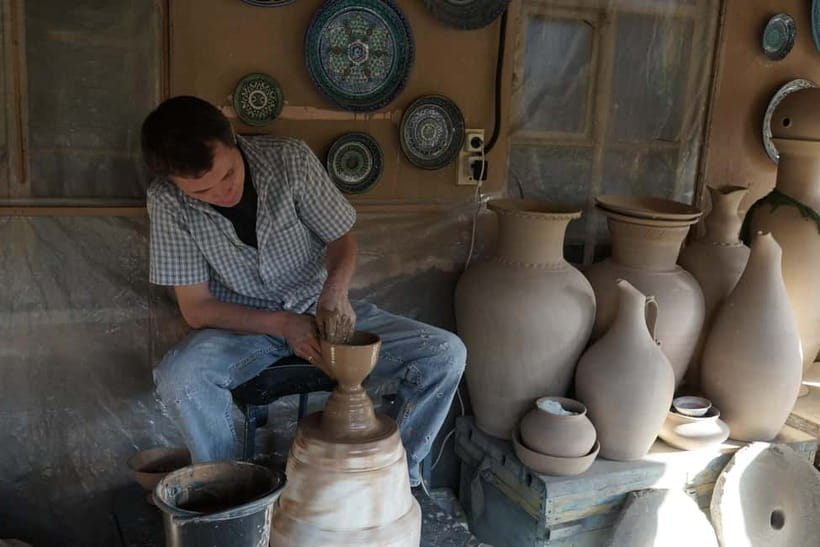
Rishtan is the final major cultural stop before the return to Tashkent. It is known as the center of Uzbekistan’s ceramic production, with a local tradition that remains one of the most recognizable craft schools in the country.
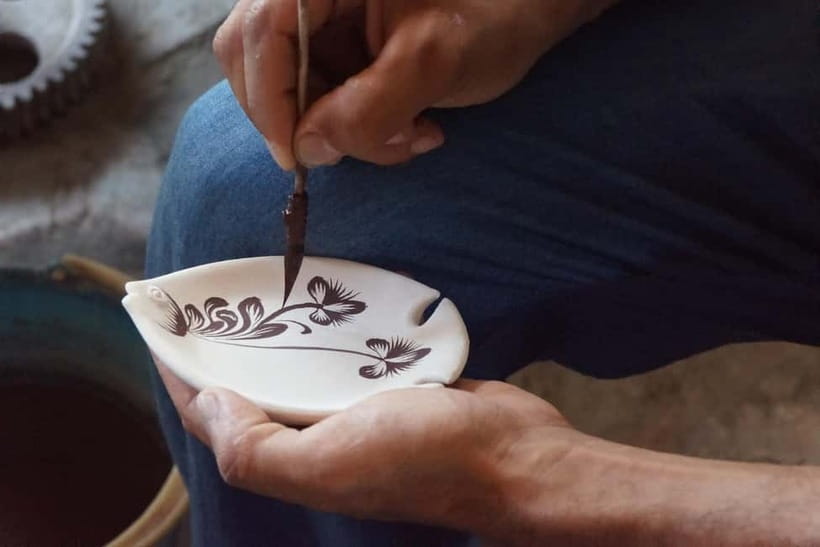
The visit takes you to a master’s home, where you can learn how the ceramics are produced. The program also says you may participate in the process. That hands-on element gives Rishtan a different feel from the silk factory. You are not only watching a finished object being displayed. You have a chance to understand how a working craft takes shape.
The exact amount of participation can vary, so treat it as an opportunity rather than a guaranteed full workshop. Still, the home setting is valuable. It brings the craft closer to the people who maintain it and shows how production can remain tied to family and local tradition.
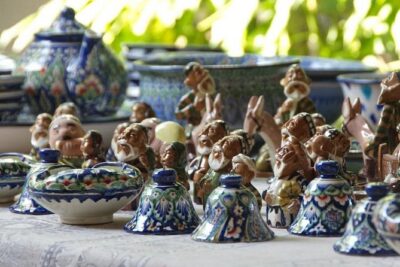
Rishtan is also a sensible place to consider purchases, though personal expenses are extra. Ceramic pieces can be fragile, so ask about packing and carrying anything you buy. The information provided does not specify shipping arrangements, so do not assume the provider will send purchases home for you.
Food, language, and what daily comfort is like
Lunch and dinner are not included, which keeps the listed price lower but means you need to budget for meals. Local food commonly includes beef or lamb, rice, wheat or sorghum dough, and vegetables. Tell the provider in advance if you prefer vegetarian food or have other dietary needs.
Alcohol can be difficult to find in restaurants in the Fergana Valley. That is useful to know before you set expectations for dinner. The tour can help with local meal planning, but the information does not promise particular restaurants or included evening meals.
The guiding language is English or Russian, with French also listed for the first day. Ali is specifically praised for his English, explanations, kindness, and helpful suggestions for time in Tashkent. Guide availability can vary, so request him if that is important to you, but do not treat his participation as guaranteed unless the provider confirms it.
The private format is a practical advantage. You can request breaks and discuss lunch timing with the guide and driver. Several departures have included hotel pickup and drop-off in Tashkent, and the driver may point out sights along the road. That kind of flexible attention is hard to get on a fixed large-group coach.
Is $230 a fair price?
At $230 per person, the price is not just paying for an attraction ticket. It covers a private air-conditioned vehicle, pickup and return in Tashkent, one night in a three-star or boutique-style hotel, breakfast, monument entrances, a professional guide, the silk-production introduction, and taxes.
The value is strongest if you want to see several separated places without arranging regional transport yourself. Kokand, Margilan, Kumtepa, and Rishtan are spread across a large area, and the pass adds another layer of road planning. Having a driver and guide removes much of that work.
The price is less attractive if you only want a relaxed hotel break or one single craft visit. The route is full, and meals and shopping are extra. You should also remember that the trip returns to Tashkent after a second long driving day.
The experience has an overall rating of 4.5 from 41 reviews, and transport received a perfect score from 92 percent of participants. That fits the practical strengths of the trip: reliable pickup, a comfortable vehicle, and attentive driving are especially important when so much of the program happens on the road.
Free cancellation is available up to 24 hours before departure, and you can reserve now while paying later. Those terms make the booking less rigid, though you should still confirm the Kumtepa market day and hotel location before committing.
Who should book this Fergana Valley trip?
I would recommend it to you if you want Uzbek crafts, regional history, and local markets in one short extension from Tashkent. It suits first-time visitors who want a strong introduction to the valley without arranging several trains, taxis, and workshop visits on their own.
It is also a good match for people who value conversation. A guide such as Ali can add context to Kokand’s monuments, explain local customs, and offer practical suggestions beyond the route itself. The private format gives you room to ask questions and adjust break times.
I would be more cautious if you dislike long drives, need a slow pace, or want extensive free time in each town. Day one is particularly demanding, and day two still includes a substantial return to Tashkent. The trip is accessible in principle, but confirm the exact conditions at monuments, markets, the pass, and the ceramic workshop if you use a wheelchair.
Should you book it?
Book this tour if the idea of seeing silk and ceramics being made interests you as much as seeing palaces. The combination of Kamchik Pass, Kokand’s khanate sites, Margilan silk, Kumtepa commerce, and Rishtan pottery gives you a rounded view of the valley in only two days.
Before paying, check three things: that your dates include Thursday or Sunday if Kumtepa matters, that the hotel location suits you, and that your food preferences have been shared. If you accept the long road hours and extra meal costs, the tour offers a practical and culturally focused route into a less visited part of Uzbekistan.
FAQ
How long is the tour?
The experience lasts two days and includes one overnight stay in Margilan or possibly Fergana.
Where does the tour start and finish?
Pickup and return are available from a hotel, airport, or railway station in Tashkent. The route can also be customized to start or finish at the Osh border checkpoint without changing the stated program price.
Is Kumtepa Bazaar open every day?
No. Kumtepa Bazaar is available only on Thursdays and Sundays, so check your dates before booking.
Are meals included?
Breakfast is included according to the hotel menu. Lunch, dinner, personal expenses, and other costs not listed in the program are not included.
What languages are available for the guide?
English and Russian are available. French is also listed for the professional escort guide on the first day.
Can the tour accommodate wheelchair users?
The activity is listed as wheelchair accessible. Because the route includes a mountain pass, historic monuments, a bazaar, and a master’s workshop, ask the provider about the exact access arrangements for your departure.
More 2-Day Experiences in Uzbekistan
- 2 Days Tour to Bukhara and Samarkand from Tashkent by train
★ 5.0 · 53 reviews - Yurt stay and Hiking in the Nurata Mountains tour – 2 days
★ 5.0 · 35 reviews - Aral Sea Adventures (2 day)
★ 5.0 · 30 reviews - 2 Days of Tour in Yurt Camp and Aydarkul
★ 5.0 · 15 reviews
Just added in Uzbekistan
- 9 Days Private Guided Tour to Uzbekistan★ 5.0 · 3 reviews
- Fergana One Day Tour From Tashkent★ 3.4 · 8 reviews
- Khiva Walking Tour★ 4.7 · 22 reviews
- Khiva: Historical City Highlights Guided Walking Tour★ 4.8 · 156 reviews
- Fergana Valley 2-Day Private Tour★ 5.0 · 4 reviews
- Tashkent City Highlights Guided Walking Tour★ 5.0 · 6 reviews
- 2 – Days Guided Tour of Samarkand and Bukhara from Tashkent★ 5.0 · 5 reviews
- Samarkand City Tour: Ancient Domes & Timeless Stories★ 5.0 · 5 reviews
Fergana Valley Tours, compared.
Browse the lists this tour appears in