
Reviewed · FOOD TOURS
Food tour in Tashkent
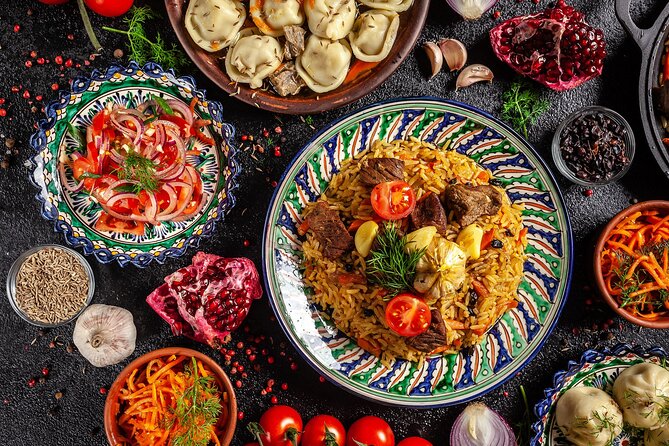
Tashkent’s best food stories are told over a plate of plov, a skewer of shashlik, or bread pulled fresh from an oven. This four-hour tour takes you from local eateries to Chorsu Bazaar, then finishes with the city’s famous rice dish at Besh Qozon Pilaf Center. It is a quick way to connect Uzbek food with daily life and family traditions.
I like the mix of classic dishes and market tasting, especially the chance to try plov, lagman, manti, shashlik, bread, dried fruit, and sweets in one outing. I also like the small group size, capped at 10, and the fact that pickup, transport, lunch, and food tastings are included.
The main caution is that the quality of the food stops can depend on the guide and the day. One experience included two chain-style fast food restaurants before a very tourist-oriented plov venue, so you should not assume every stop will feel local or deeply focused on food knowledge.
Key points to know before booking
- Four hours covers three food-focused stops and Chorsu Bazaar, with each main section planned for about one hour.
- Besh Qozon Pilaf Center is the grand finale, but it may feel more commercial than a small family restaurant.
- Ibrahim has earned especially warm praise for explaining food and sharing general knowledge on some departures.
- The group is limited to 10 people, making conversation and questions easier than on a large bus tour.
- English and Russian guides are available, with pickup in Tashkent and a comfort vehicle included.
- The $99 price includes lunch and tastings, but personal purchases at the market are extra.
Why Uzbek food makes a good introduction to Tashkent
Food is one of the easiest ways to understand Uzbekistan. Meals here are not just fuel. They bring together techniques, ingredients, and customs passed through families over many years. A guide can explain why a dish matters while you are actually eating it, which is far more useful than seeing a menu translation on your own.
This tour focuses on the dishes most visitors want to try first. Plov is the star, but lagman, manti, and shashlik show different sides of Uzbek cooking. You may also sample freshly baked bread, dried fruit, traditional snacks, and handmade sweets as you move through the city.
I like this format for a first day or second day in Tashkent. You get an introduction to the city’s food vocabulary, then have enough background to order with more confidence at later meals. The four-hour length is also practical. It is long enough for a proper lunch and several tastings, but it does not consume an entire day.
The experience is designed as a guided food tour, not a formal cooking course. A bread-making demonstration or a short cooking lesson may be included, but the supplied details do not promise that every departure will offer both. If hands-on cooking is important to you, confirm what your particular guide has planned.
Other ways to eat your way around Tashkent:
- Tashkent: Uzbek Culture, Food, Crafts & Pottery Masterclass
★ 5.0 · 24 reviews - Tashkent Vegan Street Food Tour
★ 5.0 · 22 reviews - Tashkent Walking & Food Tour: Highlights + Local Flavors
★ 5.0 · 18 reviews
Starting in Tashkent with pickup and a small group
The tour begins with pickup in Tashkent. You need to contact the provider with your pickup location, so have that information ready when you book. Transport is provided in a comfort vehicle, which matters in a city tour that moves between several food stops.
A group of up to 10 people is a good middle ground. You get the social feel of a shared tour without being lost in a crowd. It should also be easier to ask about unfamiliar ingredients, cooking methods, or local dining customs.
The available guide languages are English and Russian. Ibrahim is a guide associated with this experience, and his strongest praise centers on clear explanations of the food and helpful general information about Tashkent. If having Ibrahim specifically matters to you, ask whether he will lead your departure rather than assuming that every booking includes him.
Wear comfortable clothes. You will be eating several times, walking through a market, and moving between stops, so practical clothing is more useful than anything formal. Babies under one year are not suited to this activity, and alcohol and drugs are not allowed.
The first two food stops: Uzbek classics beyond the menu
The first two main visits each take about an hour and combine a guided visit with food tasting. The exact restaurants are not named, so the character of these stops can vary. That flexibility can be useful if your guide knows a good local place, but it also means you cannot judge the tour by a fixed restaurant list.
You can expect the focus to be on well-known Uzbek dishes. Lagman usually means noodles served with meat and vegetables, while manti are filled dumplings. Shashlik brings grilled meat to the table, and plov is the rice dish most closely associated with Uzbek food culture.
The value here is not only tasting four dishes. A good guide can help you notice the differences in texture, seasoning, and preparation. Ask how the ingredients are chosen, which dishes are eaten at celebrations, and how recipes change from one family or region to another. The tour description specifically promises stories about origins, ingredients, and recipes passed through generations.
Still, I would keep expectations sensible. One account of the experience found that two early stops were essentially chain fast food restaurants. That does not mean every departure follows the same route, but it is a real reason to ask your guide at the start whether the food stops are family-run, local, or part of a larger restaurant group.
Chorsu Bazaar: the best place to see food in motion
Chorsu Bazaar receives about an hour of the tour, including a photo stop and a guided visit. This is the part that adds color and context to the meal. Instead of seeing finished dishes only on a plate, you can look at the raw ingredients and market products that shape everyday cooking.
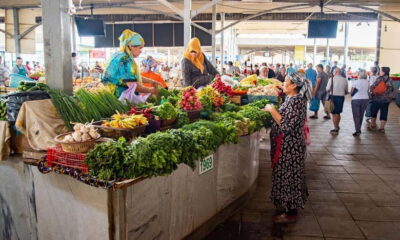
Expect stalls filled with fresh produce, spices, dried fruits, traditional snacks, and sweets. Freshly baked bread is another key stop. The market gives you a chance to speak with vendors through your guide, learn what you are looking at, and taste products you might otherwise pass by.
I especially like the market portion because it helps connect Uzbek food with shopping habits. A plate of plov can seem simple until you start thinking about the rice, carrots, meat, spices, and cooking time behind it. The bazaar provides that missing link.
There is also room for personal spending here. Market purchases are not included, so bring money if you want extra dried fruit, sweets, or other items. The tour includes food tasting, but not every product you see. Your guide can help you decide what is worth buying and explain how a snack is normally eaten.
The one-hour limit is both helpful and restrictive. It keeps the tour moving, but Chorsu Bazaar has enough sensory detail to occupy much longer. I would pay attention to the guide’s explanations rather than trying to cover every aisle. This is a guided introduction, not a full market shopping trip.
Same city, a different kind of day:
- Best of Tashkent Mountains: Amirsoy, Chimgan & Charvak Trip
★ 4.8 · 567 reviews - Samarkand One Day Tour – Departure From Tashkent
★ 5.0 · 313 reviews - Tashkent City Tour
★ 5.0 · 121 reviews - Amirsoy, Chimgan & Charvak Full-Day Adventure
★ 4.9 · 82 reviews
Besh Qozon Pilaf Center and the final plate of rice
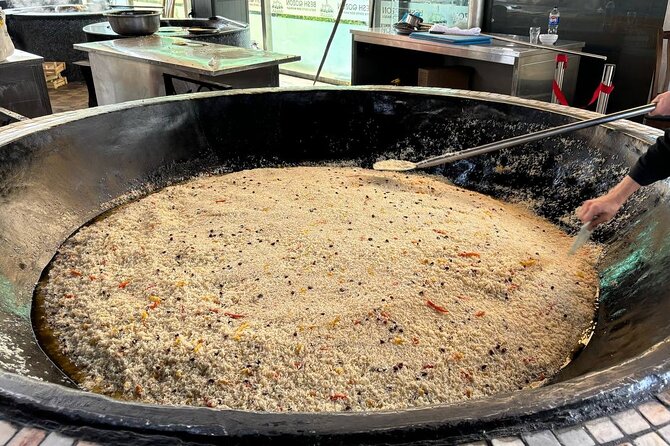
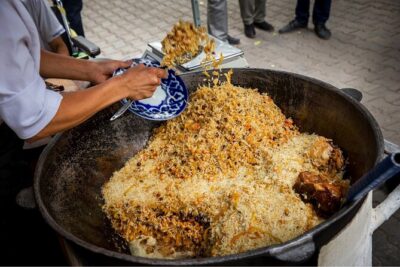
The final scheduled stop is Besh Qozon Pilaf Center, where you visit, receive a guided introduction, and eat. The venue is known in the tour plan as the place for pilaf, so this is where the most iconic dish gets its main presentation.
Plov is made in large quantities and is closely linked with shared meals and special occasions. At a dedicated pilaf center, you can see the dish treated as a serious part of local food culture rather than just another item on a broad restaurant menu. The tour includes lunch, so this stop should serve as the substantial meal of the outing.
There is a tradeoff. One account described the plov venue as very tourist-oriented. That may be disappointing if you want a quiet family restaurant, but it can also make the dish easier to understand for a first-time visitor. The setting may be less intimate, while the preparation and scale can be more obvious.
I would judge this stop by what you want from the tour. If your priority is trying a famous Uzbek specialty in a reliable setting, Besh Qozon may suit you well. If your priority is strictly local atmosphere and small independent businesses, ask how much time will be spent at family-owned places before you book.
What the guide adds to the meal
A food tour rises or falls on its guide. Dishes such as manti or lagman are easy to list, but a useful guide explains what makes them different and why they matter. You should come away knowing more than the names of four Uzbek foods.
The guide is expected to discuss ingredients, origins, and family traditions. That can include the way recipes are passed down, how market products fit into home cooking, and the cultural meaning of shared meals. A bread-making demonstration or short cooking activity may also help turn a passive tasting into something you remember.
Ibrahim has received particularly strong praise for explaining the food and offering useful general information. That is the kind of guide I would want here: someone who can answer a practical question about a spice, then place the dish in a wider picture of Tashkent life.
There is a reason to keep your questions specific. One departure had a guide who talked at length but knew less about food and spices than expected. If your interest is culinary detail, ask early about the dishes, ingredients, and cooking methods. The response will give you a quick sense of how food-centered your departure will be.
Is $99 good value for four hours?
At $99 per person, this is not the cheapest way to eat in Tashkent. You could spend less by visiting Chorsu Bazaar on your own and choosing individual dishes at local restaurants. The price makes more sense when you count the guide, pickup, comfort vehicle, lunch, tastings, and the convenience of linking several stops in one morning or afternoon.
You are also paying for interpretation. Without a guide, you can see bread, dried fruit, spices, and prepared food, but you may not know what is traditional, what is seasonal, or how a dish fits into Uzbek culture. If that context matters to you, the price is easier to justify.
The small group is another part of the value. A maximum of 10 people is more personal than a large coach tour, and it gives you a better chance to ask questions. The value drops if the route relies heavily on chain restaurants or a tourist-oriented venue, so I would ask for a general description of the food stops before confirming.
Personal expenses are not included. Set aside extra money for market purchases, since the tour covers tastings rather than everything you may want to take home.
Who should book this Tashkent food tour?
I would recommend it to first-time visitors who want a guided introduction to Uzbek cuisine without giving up a full day. It also suits people who enjoy trying several dishes in small portions, learning while they eat, and visiting a major market with local help.
It is a particularly good fit if you are unsure how to order plov, lagman, manti, or shashlik on your own. The guide can remove that uncertainty, and the included lunch means you do not have to plan a separate meal around the tour.
Families with older children may also find the format useful, though babies under one year are not suited to it. People with strict dietary requirements should ask about the food before booking, since the supplied details do not specify vegetarian, halal, allergy, or other dietary arrangements.
You may want a different experience if you are seeking an entirely local, independent restaurant route. The possibility of chain-style stops and a tourist-oriented pilaf center means the tour is not guaranteed to feel intimate at every stage. It is best understood as a convenient, guided overview rather than a specialist food expedition.
Practical details for a smoother outing
The activity lasts four hours, with roughly one hour devoted to each of the two early food visits, Chorsu Bazaar, and Besh Qozon Pilaf Center. Starting times vary, so check availability when choosing your date.
Pickup is included in Tashkent, but you need to provide your pickup location. The tour returns to Tashkent after the final stop, making it easy to fit into a day of city sightseeing.
Cancellation is free up to 24 hours in advance for a full refund. You can also reserve now and pay later, which helps if your Tashkent schedule is still changing.
Food tastings and lunch are included. Personal expenses are not. Bring comfortable clothing, and remember that alcohol and drugs are prohibited.
Should you book it?
Book this tour if you want a practical introduction to Uzbek food, value a guide who can explain what you are eating, and like the convenience of pickup, transport, lunch, and a market visit in one four-hour plan. The strongest version of the experience will be led by a guide such as Ibrahim, who can connect the dishes with ingredients, customs, and everyday life.
Before booking, ask whether your departure will visit independent restaurants and whether Ibrahim will be your guide. That one question addresses the two biggest variables: the depth of the food commentary and the local feel of the stops.
If you are comfortable with that uncertainty, $99 is a reasonable price for a small-group orientation to Tashkent cuisine. If you want only family-run restaurants and detailed culinary instruction, you may prefer to arrange a more specialized food experience.
FAQ
How long does the Tashkent food tour last?
The tour lasts four hours.
What food is included?
The tour includes tastings of Uzbek dishes such as plov, lagman, manti, and shashlik. You may also taste fresh bread, dried fruits, traditional snacks, and sweets.
Is lunch included?
Yes. Lunch and food tastings are included in the price.
Does the tour visit Chorsu Bazaar?
Yes. Chorsu Bazaar is included as a guided visit and photo stop, with about one hour scheduled there.
Where does the tour finish?
The tour returns to Tashkent after the final visit to Besh Qozon Pilaf Center.
What languages are available?
Live guiding is available in English and Russian.
Can I cancel the booking?
Yes. You can cancel up to 24 hours in advance for a full refund. You can also reserve now and pay later.
Just added in Tashkent
- Uzbekistan Tour – 6 Days 5 Nights★ 5.0 · 4 reviews
- Tashkent-Samarkand-Bukhara tour-3nights/4 days★ 5.0 · 5 reviews
- Private Intercity Transfer Tashkent – Samarkand – Tashkent★ 3.5 · 3 reviews
- Tashkent City Tour with Hotel Pickup and Drop off★ 4.5 · 4 reviews
- Tashkent Food and Metro Journey★ 5.0 · 4 reviews
- Tashkent Mountain Tour Amirsoy with Transport★ 3.5 · 3 reviews
- Amirsoy & Chimgan mountain tour from Tashkent★ 5.0 · 3 reviews
- Private Tashkent City Tour★ 5.0 · 3 reviews
Food Tours, compared.
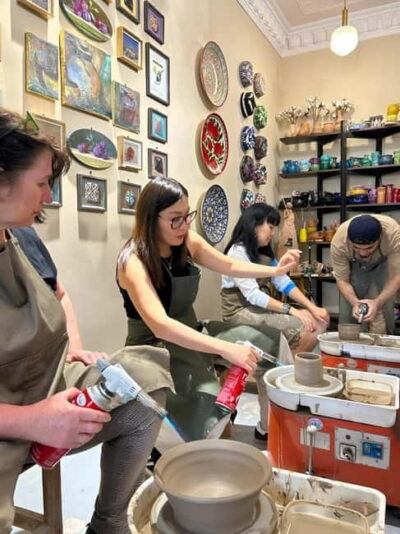
Uzbek Culture, Food, Crafts & Pottery Masterclass
Read our review →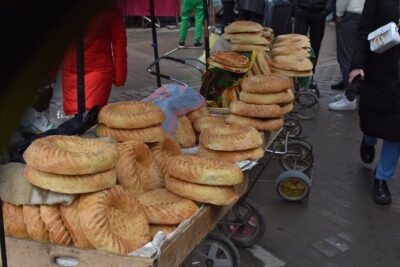
Tashkent Walking & Food Tour: Highlights + Local Flavors
Read our review →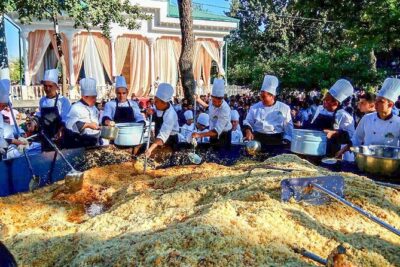
Browse the lists this tour appears in