
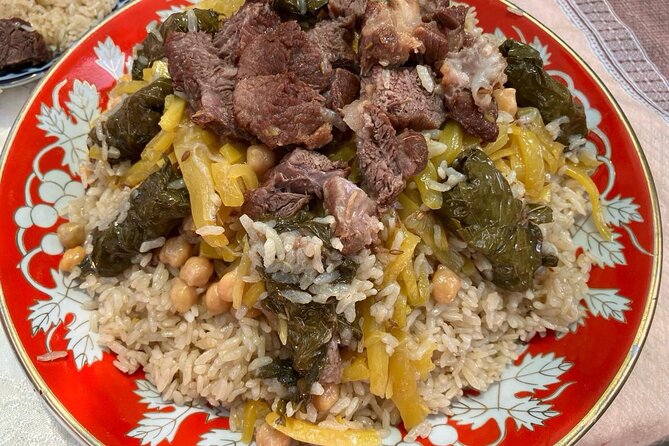
Reviewed · COOKING CLASSES
Cooking Class in the Village with Local Family in Samarkand
Samarkand’s grand monuments tell only part of the story. The more personal side appears at a market stall, around a family cooking fire, and over a plate of homemade plov. This private outing takes you from a local bazaar into a village home, where you can help prepare Uzbek dishes and talk with the family who serves them.
I like the market visit, which gives you a practical look at daily food shopping, and the family setting, where cooking becomes a reason to talk about customs, routines, and Uzbek hospitality. The main consideration is that this is a relaxed, roughly five-hour visit rather than a tightly timed cooking school. Some past participants wanted more hands-on work, such as gathering firewood or rolling dough.
Key points to know before booking
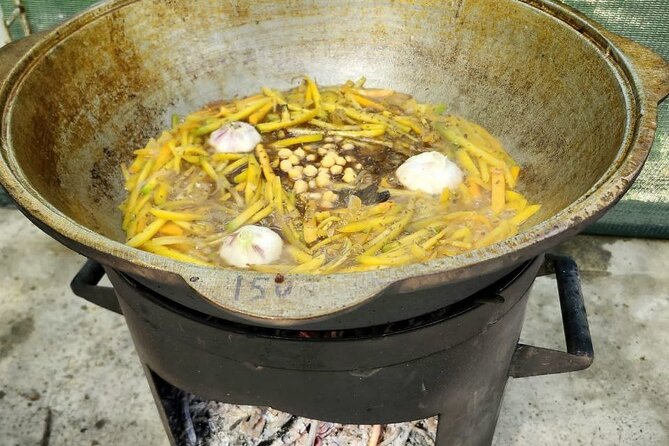
- Market first: Begin with hotel pickup and a walk through a local Samarkand bazaar, where you can see ingredients, vendors, and everyday shopping.
- Cooking in a village home: Prepare traditional dishes with a local family, with possible recipes including plov, manti, dolma, samsa, and shashlik.
- A private outing: Only your group participates, so the pace and conversation can be more personal than in a large class.
- Hosts vary: Sessions have been led by Navruz, Goli, Gulrux, Navuq, and Narboz, depending on the arrangement.
- More than cooking: The day can also include Konigil paper production, an oil-meal workshop, and pottery.
- Flexible timing: The starting time is flexible, and the full outing lasts about five hours.
Why this Samarkand cooking class feels different
Many cooking classes begin with a recipe card and a prepared kitchen. This one begins with the ingredients themselves. You meet your host, travel to a local bazaar, and see the food before it reaches the family table.
That matters in Uzbekistan, where food shopping is part of the social rhythm of the day. At the market, you can browse colorful stalls, watch vendors serve local customers, and try unfamiliar ingredients with help from your guide. One past vegetarian arrangement included help choosing suitable ingredients, so tell the provider about dietary needs before the tour.
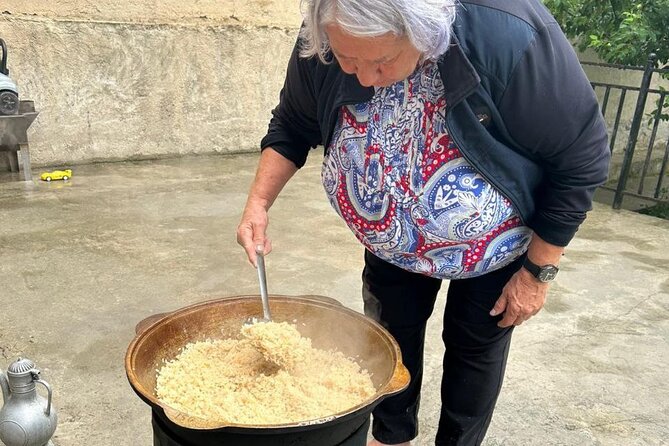
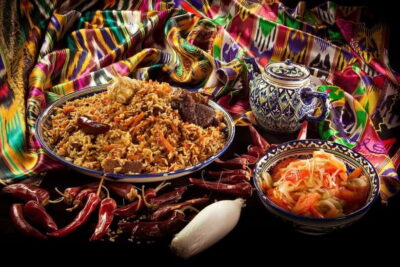
The second half takes place in a village home. Depending on the host and menu, you may work on plov, manti, dolma, samsa, shashlik, or another local dish. Plov is the likely centerpiece for many sessions. It is not simply rice with a few additions. It requires attention to the meat, carrots, onions, rice, heat, and timing, which makes it a useful way to understand how Uzbek home cooking works.
I especially like that the lesson is tied to conversation. Hosts have discussed family life, food traditions, and daily routines, and some sessions have included time for chess and informal conversation. This is less about mastering restaurant technique and more about seeing how cooking fits into a household.
More Cooking Classes in Samarkand
- Samarkand: Village Tour with Plov Cooking Class & Home Visit
★ 5.0 · 29 reviews - Samarkand: Uzbek Cooking Class in a Village Home
★ 5.0 · 22 reviews - Cooking class in Samarkand with local life experience
★ 5.0 · 19 reviews
The bazaar gives the menu a local setting
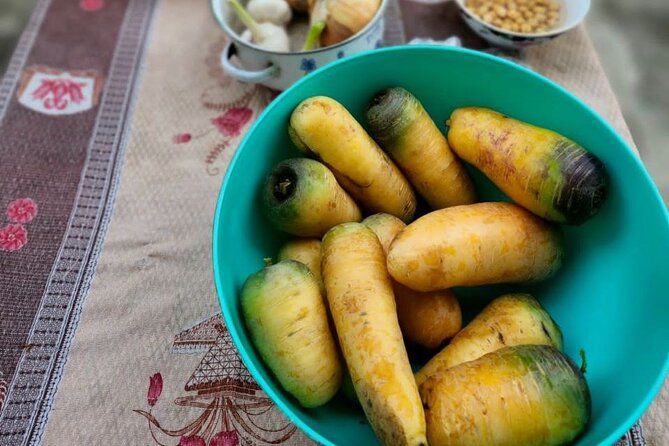
Your day begins with pickup from your hotel, followed by a visit to a local bazaar in Samarkand. The exact market is not specified, so you should think of this as a general local shopping stop rather than a named sightseeing attraction.
The appeal is simple: you get to see what people buy and how ingredients are selected. You can ask about unfamiliar produce, spices, meats, and other foods before using them in the kitchen. It also gives you a chance to watch the exchange between vendors and shoppers, something that a monument tour cannot provide.
The market stop is useful for first-time visitors who want help with food vocabulary and local eating customs. Your guide can explain what you are seeing and help you choose ingredients for the meal. This is also the best time to repeat any dietary requests, especially if you need vegetarian food.
Do not expect a long formal market tour with a fixed commentary at every stall. The experience is more flexible and social. If you prefer a highly structured food tour, that loose approach may feel light. If you like to ask questions and stop when something catches your eye, it should suit you well.
Cooking plov and other Uzbek dishes at home
After the bazaar, you drive to a village and cook with a local family. This shift from public market to private home is the heart of the outing. You are not only watching a demonstration. You are sharing space with the people who prepare and eat this food as part of normal life.
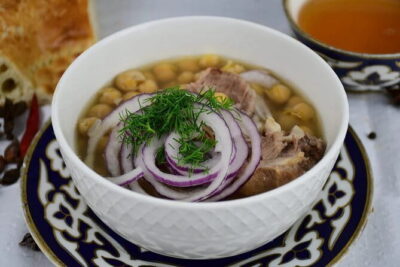
The menu can vary. Plov, also called pilov, is specifically highlighted, while past sessions have included manti and dolma. The wider description also lists shashlik and samsa. Ask ahead if you have a particular dish in mind, since the supplied details do not promise that every dish will be prepared on every date.
For plov, you can expect a step-by-step lesson from the host. Gulrux, one of the hosts mentioned by name, has taught the dish in detail and speaks very good English. The process is useful even if you already cook rice dishes, because Uzbek plov depends on order, heat, and patience.
The class is described as relaxed and slow. I see that as a strength if you want time for questions, photographs, and conversation. It is less useful if you want to spend every minute chopping, rolling, or stirring. One participant specifically wished for more active tasks, including collecting firewood and rolling dough.
That point is worth keeping in mind. At a family home, the host may do some steps that require experience or careful timing. Your role can range from hands-on preparation to watching a key stage. This is a cultural meal with cooking instruction, not necessarily a full professional kitchen workshop.
Meeting the family behind the food
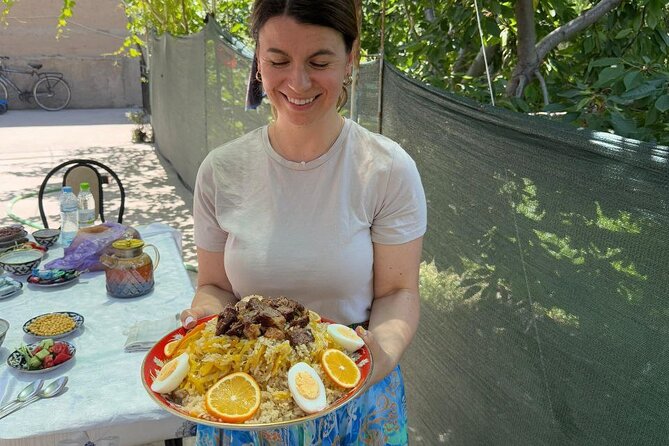
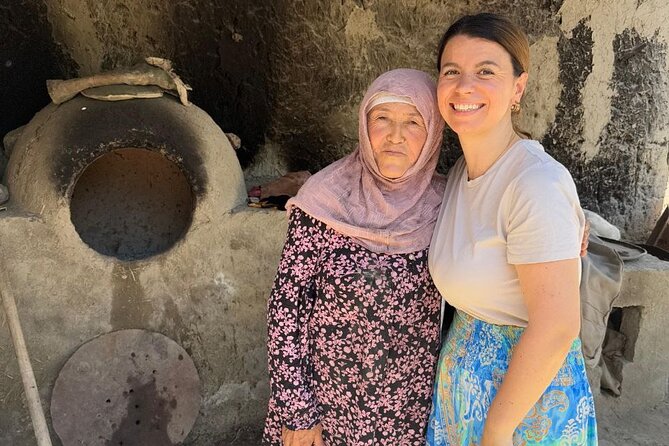
The family interaction gives the tour its character. You have time to ask about daily routines, customs, food, and family traditions. The setting can also make the meal feel more natural than eating in a restaurant designed for visitors.
Several hosts have been identified in past arrangements, including Goli, Navuq, Navro’z, Narboz, and Gulrux. The provider is listed as Navruz, but the person leading your day may be a family member or local guide. If the language of instruction matters to you, ask when booking. Gulrux is noted as having very good English, but that does not mean every host has the same level.
The family setting is also a good fit for children and mixed-age groups, provided everyone is comfortable with a slower pace and a home environment. You might spend time talking, laughing, or playing chess rather than moving from one formal lesson to the next.
I would book this for the human contact as much as for the food. The cooking gives you a shared task, but the small details around the table are what make the visit memorable: how a dish is discussed, who takes part in preparing it, and how the meal is served.
More cooking with locals in Samarkand:
- cooking traditional food in Samarkand with local people
★ 4.8 · 17 reviews - Private Samarkand Cooking Class with Market Tour & Transfers
★ 5.0 · 14 reviews - Tashkent: Cultural Exploration & Pottery Masterclass
★ 5.0 · 24 reviews - Tashkent: Uzbek Culture, Food, Crafts & Pottery Masterclass
★ 5.0 · 24 reviews
Paper, oil, and pottery add local craft
The itinerary also includes visits connected with local production: the Konigil paper factory, an oil-meal workshop, and a pottery workshop. These stops broaden the day beyond the kitchen and give you another view of village skills.
The Konigil paper factory is a particularly useful addition for visitors who want more than food. It connects the outing with Samarkand’s craft traditions and shows how a local product is made. The information provided does not give a detailed sequence or length for this stop, so treat it as part of the wider village visit rather than a separate factory tour with a fixed schedule.
The oil-meal and pottery visits offer a similar benefit. They let you see practical production and craft work alongside the family cooking. The trade-off is time. With only about five hours for pickup, the bazaar, the drive, cooking, eating, family conversation, and workshops, some portions may be brief.
If cooking is your top priority, confirm how much time will be spent at the kitchen and how many workshops are planned for your date. If you like a varied day with food, craft, and village life, the mix should feel worthwhile.
Five hours with a flexible start
The total duration is about five hours, and the starting time is flexible. That flexibility helps if you are working around Samarkand sightseeing, train schedules, or a late arrival. The listed operating period runs from February 8, 2025, through November 25, 2026, with hours shown from 9:00 AM to 10:00 PM daily.
The broad opening window does not mean the cooking itself takes place at any hour. It is best to agree on the pickup time before the day begins. A morning start may suit you if you want the bazaar while shopping is active, while a later start could work better around other plans.
Hotel pickup is offered, which makes the transfer to the village easier. The tour is private, so you do not have to share the vehicle or cooking table with unrelated participants. That can make a real difference if you have food restrictions, children, older relatives, or a strong preference for quiet conversation.
The time estimate is approximate. Driving, market browsing, food preparation, eating, and craft stops will not take exactly the same amount of time each day. Keep some room in your schedule rather than placing another important activity immediately afterward.
Is $65 a fair price?
The listed cost is $65 per person. I consider that reasonable if you value the combination of hotel pickup, a private guide, a market visit, a home-cooked meal, and several village activities.
You are paying for more than a plate of food. The price covers roughly five hours of local contact and transport, with the chance to cook in a real family home rather than in a standard tourist kitchen. For a solo visitor or couple, the private format can justify the cost because you get direct attention and more freedom to ask questions.
The value is less clear if you only want a quick cooking lesson. A shorter class focused entirely on one dish might be better for that purpose. Here, part of the price buys the setting, the drive, the bazaar, and the cultural conversation.
The experience is booked an average of nine days ahead. That suggests you should arrange it before arriving if this is important to your plans, especially during a busy visit. Confirmation is provided at booking, and free cancellation is available up to 24 hours before the start time. Cancellations or changes inside that window are not refunded or accepted.
Who will enjoy this most?
I would recommend this outing to you if you want to meet local people and understand Uzbek food through a household setting. It is a good choice for couples, families, private groups, and visitors who prefer conversation over a formal lecture.
It also suits curious eaters who want to try dishes beyond the usual restaurant menu. Vegetarian guests can be accommodated, based on past arrangements, but you should state your preference clearly before the day.
The tour may be less suitable if you need a fast-moving schedule or a guaranteed list of cooking tasks. The pace is intentionally unhurried, and the level of participation may vary. You might chop, mix, shape, or watch, depending on the dish and the host.
Language is another practical point. The guides and hosts have different names and backgrounds, and the available details only specifically note strong English from Gulrux. Ask about language support if detailed instruction is important to you.
Should you book this Samarkand village cooking class?
Book it if you want a personal cultural day, not just a recipe lesson. The strongest parts are the bazaar visit, cooking with a family, the private format, and the chance to connect food with village crafts such as paper-making and pottery.
Go in with flexible expectations. You may not spend the whole session rolling dough or preparing every ingredient yourself, and the workshop stops may shorten the kitchen time. But if you are happy to learn through watching, talking, tasting, and taking part when invited, the $65 price offers a strong introduction to everyday Samarkand life.
FAQ
How long does the cooking class last?
The full experience lasts approximately five hours, including the bazaar visit, travel to the village, cooking, family time, and the listed craft-related stops.
Is hotel pickup available?
Yes. Pickup from your hotel is offered before the visit to the local bazaar and village home.
Is the starting time fixed?
No. The starting time is described as flexible, but you should agree on the time with the provider before the experience.
Is this a private tour?
Yes. Only your group participates in the activity.
What food can I learn to prepare?
Possible dishes include plov, shashlik, samsa, manti, and dolma. The exact menu may vary by host and date.
Can vegetarian guests take part?
Yes. Vegetarian requests have been accommodated in past arrangements. Tell the provider about your preference before the tour.
Can I cancel for a full refund?
Yes, if you cancel at least 24 hours before the experience start time. Cancellations or changes made less than 24 hours in advance are not refunded.
Just added in Samarkand
- Samarkand City Tour: Ancient Domes & Timeless Stories★ 5.0 · 5 reviews
- Samarkan City Tour From Tashkent★ 4.3 · 5 reviews
- Seven Lakes Tajikistan Private Excursion From Samarkand★ 4.0 · 11 reviews
- Samarkand Walking Tour History Culture and Hidden Gems★ 5.0 · 9 reviews
- From Samarkand: Day tour to the Tajiksitan Alexander lake.★ 4.8 · 9 reviews
- Day Tour from Samarkand Explore Panjakent and Seven Lakes★ 5.0 · 6 reviews
- One day tour to Shakhrisabz: Motherland of Amir Temur★ 4.9 · 9 reviews
- Best of Samarkand: City Tour – Inside Visits Included★ 5.0 · 8 reviews
Cooking Classes, compared.
Village Tour with Plov Cooking Class & Home Visit
Read our review →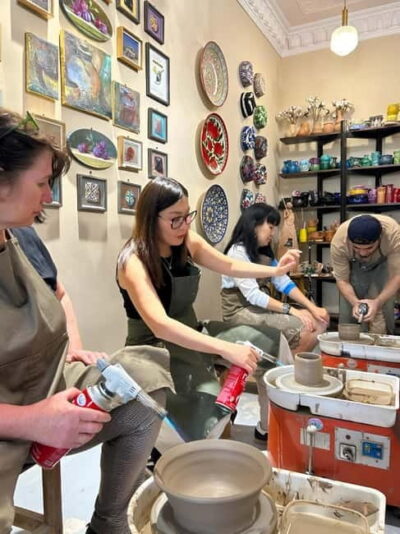
Uzbek Culture, Food, Crafts & Pottery Masterclass
Read our review →
Cooking class in Samarkand with local life experience
Read our review →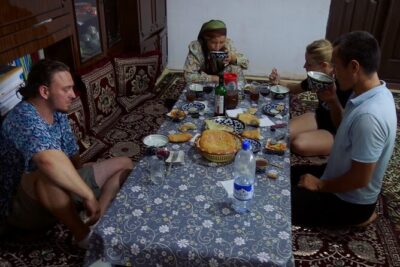
Private Samarkand Cooking Class with Market Tour & Transfers
Read our review →
Legends and Crafts: Suzani Masterclass & Cultural Immersion
Read our review →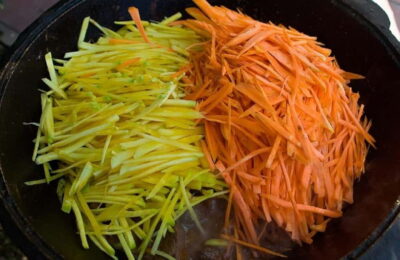
Browse the lists this tour appears in