
Reviewed · COOKING CLASSES
Tashkent: Cultural Exploration & Pottery Masterclass
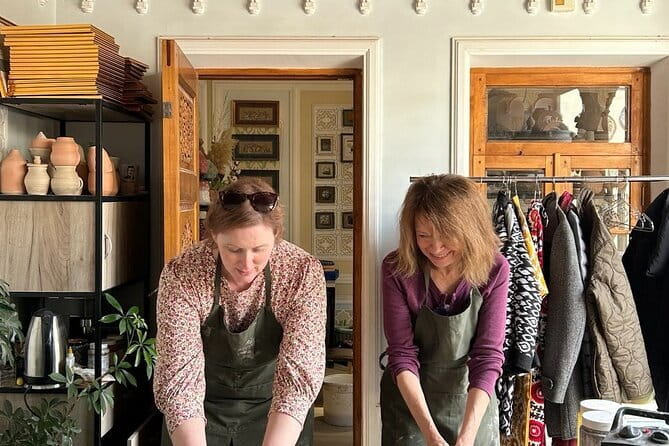
The most memorable part of this Tashkent outing is that you do not just look at Uzbek craft traditions. You get clay under your fingernails and make something of your own. Yusuf leads the cultural discussion, then a local potter shows you how to shape, shave, and decorate a piece using methods tied to Uzbek design.
I like the small private format, since your group can spend more time on the subjects that interest you. I also like the easy rhythm: an hour of culture, up to an hour and a half at the wheel, then a full Uzbek meal with hot non bread, palov, salads, cherry juice, and tea.
The main thing to consider is the food and pottery follow-up. The meal includes meat, dairy, wheat, and possible nuts, with limited plant-based choices. Your pottery is not glazed or shipped as part of the $85 price, so ask about those options before you book.
Key points at a glance
- Yusuf leads the cultural portion: Expect Silk Road trade, silk production, Suzani embroidery, dolls, wedding customs, household traditions, and local superstitions.
- You make your own pottery: The class covers clay preparation, wheel work or molding, initial torch drying, shaving, and decoration.
- Uzbek designs have a practical link: The potter uses carving techniques to preserve local patterns on pottery.
- The meal is part of the lesson: Palov, non bread, salads, green tea, and water bring the cultural discussion to the table.
- Pickup is included: Drop-off and pottery shipment are not, so plan the end of the outing.
- Private groups only: This is a good choice if you want a flexible pace and direct help with the clay.
A craft lesson with more than a museum glance
Many cultural outings in Tashkent ask you to look, listen, and move on. This one gives you a task. You hear about Uzbek craft traditions, then test one of them with your own hands.
That change matters. Ceramics can tell you about local taste, work, household life, and design in a way a quick display case cannot. You may not produce a perfect bowl on your first attempt, but you will understand why a skilled potter makes the work look easy.
The whole activity lasts about three and a half hours. It is private, so only your group takes part. That gives Yusuf room to adjust the conversation. If you care most about embroidery, wedding customs, regional craft differences, or pottery, you can put more questions toward those subjects rather than follow a fixed speech.
The price is $85 per person. That is not the cheapest way to spend an afternoon in Tashkent, but the fee covers pickup, the guide, equipment, the full craft session, lunch, and taxes. Since the program combines three separate parts, cultural interpretation, a practical workshop, and a meal, I consider it good value for visitors who want more than a short city stop.
More cooking with locals in Tashkent:
- Tashkent: Uzbek Culture, Food, Crafts & Pottery Masterclass
★ 5.0 · 24 reviews - Legends and Crafts: Suzani Masterclass & Cultural Immersion
★ 5.0 · 11 reviews - Plov and Samsa Cooking Class in Tashkent
★ 4.3 · 6 reviews
Yusuf’s one-hour look at Uzbek craft traditions
The first hour focuses on Uzbek artistic and household customs. Yusuf covers the Silk Road and explains why trade routes mattered to the movement of materials, designs, and techniques across the region.
You also learn about traditional textiles and silk production. This gives useful background for understanding why fabric work has such an important place in Uzbek culture. Suzani embroidery receives its own attention, which is helpful if you have seen these large embroidered textiles in shops or homes and want to know more than their colors and patterns.
The discussion also includes traditional doll making and differences between tribal crafts. These subjects help you see that Uzbekistan is not one single craft tradition. Styles and customs can vary among ethnic groups and areas of the country.
Yusuf also talks about local superstitions, household traditions, and wedding customs. I like this part because it moves away from famous monuments and into daily life. A wedding custom or household belief can tell you more about how people organize family life than a list of dates and rulers.
Ceramics and pottery lead naturally into the practical class. The cultural hour does not feel like a separate lecture followed by an unrelated activity. Instead, the first section gives you ideas to look for when you begin working with clay.
One useful detail is Yusuf’s willingness to listen to what you want to focus on. If you are especially interested in regional differences or Uzbek crafts, say so early. The private format makes that request more realistic than it would be on a large group tour.
From raw clay to a decorated piece
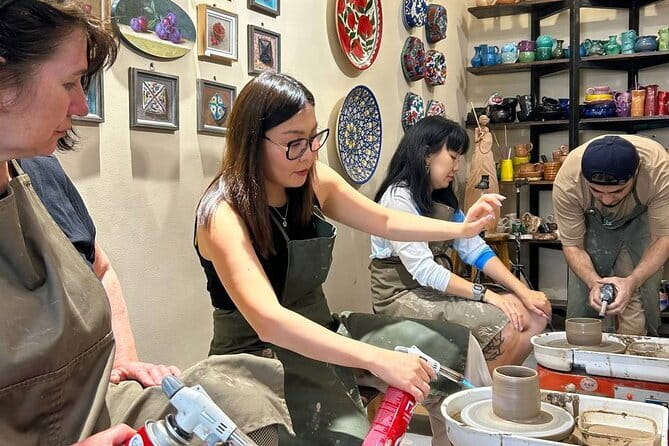
The pottery class lasts about one to one and a half hours. A local artisan guides you through the process, beginning with an introduction to Uzbek pottery and clay preparation.
You then choose a piece or form to work on. The session can include wheel throwing or molding, depending on the piece and the method being used. If this is your first time at a pottery wheel, expect a learning curve. Clay is less cooperative than it looks, and keeping a form centered takes practice.
That is part of the appeal. You are not being handed a finished souvenir with a tour logo on it. You are trying a skill that has been passed through generations of local craft work. The result may be uneven, but it will have a personal connection to your time in Tashkent.
The class also includes initial drying with a fire torch, shaving, and decoration. The carving technique is particularly interesting because it helps preserve Uzbek designs in the surface of the pottery. You can ask the potter about the patterns as you work, rather than treating decoration as a final step with no context.
The pottery is not glazed as part of this activity. Shipment is also excluded. That is the clearest practical limitation of the workshop. You may leave with a decorated piece, but you should not assume it will be ready for use or sent home automatically.
Before booking, ask what happens to the piece after the session. The supplied details do not explain whether you can collect it later, arrange glazing separately, or organize shipping through the provider. If carrying an unfired item is not practical, this question matters.
A meal of palov, bread, and simple Uzbek sides
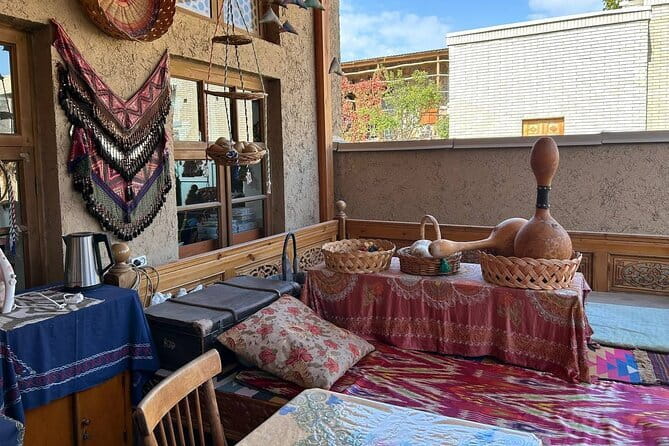
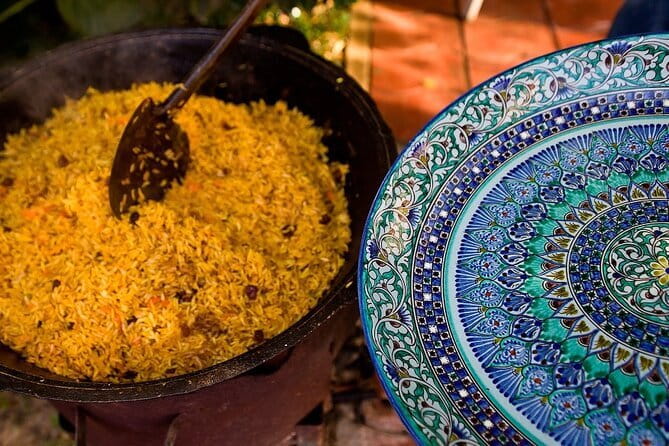
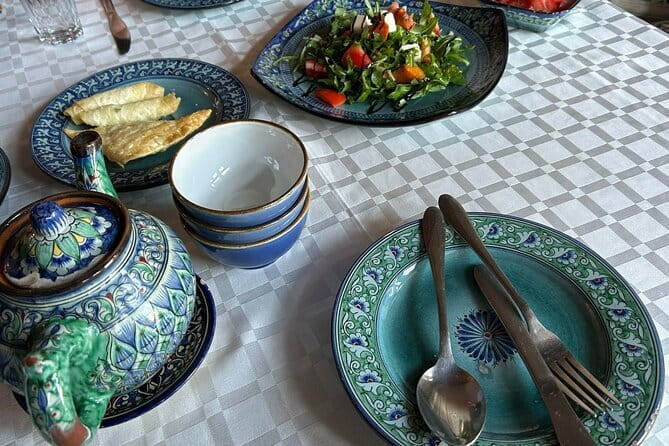
The final hour is set aside for a traditional Uzbek meal in a garden setting. The food includes Uzbek non bread, Shakarob and Kuzchi Kayfiyat salad, a variety of traditional palov, unlimited green tea, and water.
Palov is the centerpiece. It is a filling rice dish and one of the best-known foods associated with Uzbekistan. Here, the meal gives you a chance to sit down after the hands-on class instead of rushing straight to the next sight.
Fresh bread is another welcome detail. One particularly appealing part of the meal is the mention of bread served hot from the oven, along with pickled vegetables and homemade cherry juice. The exact meal can vary, but you should expect hearty food rather than a light snack.
The food is also where you need to be realistic about dietary needs. The meal contains meat and dairy, and plant-based choices are limited. Wheat is present in the bread and pastries. Uzbek dishes may include nuts, and cheese appears in starters. If you have celiac disease, a serious nut allergy, lactose intolerance, or follow a strict vegan diet, contact the provider before booking and confirm each ingredient.
Green tea and water are included. That makes the meal feel complete, but other drinks are not listed as included. Do not assume that specialty beverages or alcoholic drinks are part of the price.
Same city, a different kind of day:
- Best of Tashkent Mountains: Amirsoy, Chimgan & Charvak Trip
★ 4.8 · 567 reviews - Samarkand One Day Tour – Departure From Tashkent
★ 5.0 · 313 reviews - Tashkent City Tour
★ 5.0 · 121 reviews - Amirsoy, Chimgan & Charvak Full-Day Adventure
★ 4.9 · 82 reviews
What the private format changes

This is a private activity, not a shared coach outing. Only your group participates, which is valuable for a craft class where each person may need individual help.
A private class also reduces the pressure of working in front of strangers. You can ask basic questions, take your time with the clay, and let the conversation move toward the crafts that interest you. Families, couples, and small groups of friends are likely to get the most from this arrangement.
The format is also useful for mixed interests. One person may care about embroidery and wedding customs, while another wants to work at the wheel. Yusuf can give both interests room during the cultural section, and the pottery class gives everyone a shared activity afterward.
There is one transport detail to keep in mind. Pickup is included, but drop-off is not. You need to arrange your own onward transport after the meal. The activity is near public transportation, which helps, but the exact pickup and ending points should be confirmed at booking.
The start time is important because the cancellation cut-off uses local Tashkent time. You can cancel for a full refund up to 24 hours before the experience begins. Cancellations or changes inside that window are not accepted for a refund.
Who will get the most from this Tashkent activity
I would choose this for you if you want a cultural activity that mixes conversation with making something. It suits first-time pottery students, since the session includes instruction and guided steps rather than assuming previous skill.
It is also a good fit for anyone interested in Uzbek crafts beyond ceramics. The first hour covers textiles, silk, dolls, embroidery, household customs, weddings, superstitions, and differences between regional or tribal crafts. You get a wider picture before focusing on clay.
Food-focused visitors should also enjoy the final hour. The meal is not an afterthought. Palov, hot bread, salads, tea, and possible cherry juice give you a direct taste of local cooking and hospitality.
Families can consider it too, since most participants can take part and service animals are allowed. The details do not give a minimum age or specific child policy, so confirm that if you are booking for young children.
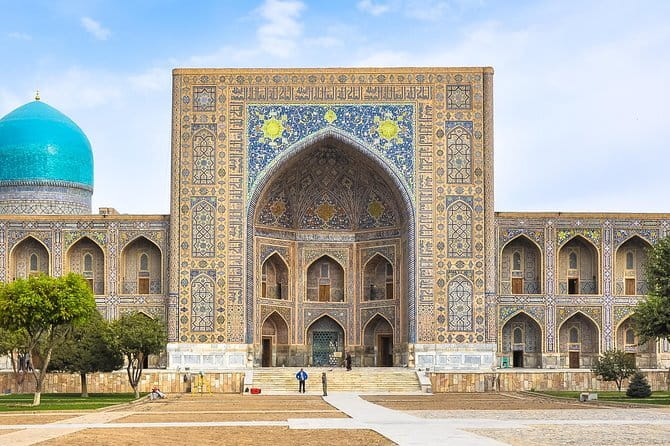
I would be more cautious if your main goal is a major sightseeing tour of Tashkent. This experience concentrates on crafts, food, and cultural explanation. It does not list major city monuments or a broad driving tour.
I would also pause if you need a finished ceramic souvenir. Glazing and shipment are excluded, and no collection process is described. The class is strongest as a creative activity, not as a guaranteed way to send home a fully finished dish.
Is $85 a fair price?
At $85 per person, the value depends on how you like to spend your limited time in Tashkent. If you only want a cheap meal or a short craft demonstration, you can likely find less expensive options. This activity costs more because it combines a private guide, pickup, equipment, instruction, food, and admission-related fees in one package.
The pottery session adds real value. You are not simply watching a professional work. You handle the clay, try wheel throwing or molding, and add decoration. For a first attempt, that kind of access can be more memorable than buying a finished item in a shop.
The cultural hour adds another layer. You learn why textiles, embroidery, pottery, and household customs matter before sitting down to food connected with the same culture. That makes the afternoon feel coherent rather than like three unrelated bookings.
The main value limits are clear: no drop-off, no glazing, and no shipment. You should also factor in any transport cost after the meal. For a private group that wants a relaxed pace, the $85 price is reasonable. For a solo visitor counting every dollar, it is worth comparing the cost with a standard city tour and a separate meal.
Practical details before you book
Confirmation is provided at the time of booking. Pickup is included, but ask for the exact meeting instructions and the final location so you can plan your return.
Wear clothes you can work in. The activity involves clay preparation, wheel work or molding, shaving, and decoration. The provided information does not state whether aprons are supplied, so avoid bringing your best outfit.
Tell the provider about food restrictions before the day of the tour. Meat, dairy, wheat, cheese, and possible nuts are all relevant. Vegan and gluten-free diners should be especially careful because plant-based and wheat-free choices are limited.
The activity is near public transportation and most people can participate. Service animals are allowed. If you have a mobility concern or need a specific accommodation, ask in advance because the details do not describe the workshop layout.
Book at least a day ahead if your schedule is fixed. The activity is often reserved about 29 days in advance, which suggests that popular dates can fill well before arrival. Free cancellation is available until 24 hours before the start time, giving you some flexibility.
Should you book the pottery masterclass?

Book it if you want a private, hands-on introduction to Uzbekistan that joins craft, food, and personal instruction. Yusuf’s broad subject range, the artisan-led pottery session, and the palov meal make this a strong choice for curious visitors who prefer local traditions to a checklist of monuments.
Think twice if your diet is restrictive, you need a finished ceramic shipped home, or you want a full sightseeing tour of Tashkent. For everyone else, $85 buys a focused afternoon with plenty of contact, useful cultural context, and a better chance of remembering Uzbekistan through what you made and ate.
FAQ
How long does the Tashkent pottery experience last?
The activity lasts about 3 hours and 30 minutes. The schedule includes about one hour of cultural exploration, one to one and a half hours of pottery, and one hour for the traditional meal.
Is pickup included?
Yes. Pickup is included in the price. Drop-off is not included, so you need to arrange your own transport after the activity.
Is this a private tour?
Yes. Only your group participates in the activity.
Who leads the cultural exploration?
Yusuf leads the cultural portion. The pottery class is guided by local artisans.
What topics are covered during the cultural section?
The discussion includes the Silk Road, silk production, textiles, traditional dolls, tribal craft differences, local superstitions, household traditions, wedding customs, Suzani embroidery, ceramics, and pottery.
What does the pottery class include?
The class includes an introduction to pottery, clay preparation, piece selection, wheel throwing or molding, initial drying with a fire torch, shaving, and decoration.
Is glazing or pottery shipment included?
No. Glazing and shipment are not included in the price.
Can people with dietary restrictions take part?
Most people can participate, but the meal includes meat and dairy with limited plant-based choices. It also includes wheat, and Uzbek cuisine may contain nuts. Confirm ingredients with the provider if you have allergies, celiac disease, lactose intolerance, or follow a vegan diet.
Just added in Tashkent
- Fergana One Day Tour From Tashkent★ 3.4 · 8 reviews
- Tashkent City Highlights Guided Walking Tour★ 5.0 · 6 reviews
- Discover Uzbekistan – explore top destinations: Samarkand, Bukhara & Tashkent★ 4.5 · 6 reviews
- Tashkent Chimgan Mountains, Charvak Reservoir and Amirsoy Resort★ 5.0 · 6 reviews
- Ten Bites Adventure Food Tour in Tashkent★ 5.0 · 6 reviews
- Tashkent Private Full-Day City Tour on a Premium Car★ 5.0 · 6 reviews
- From Tashkent: Uzbekistan Private 6-Day Tour★ 5.0 · 6 reviews
- Legends and Crafts: Suzani Masterclass & Cultural Immersion★ 5.0 · 11 reviews
Cooking Classes, compared.

Village Tour with Plov Cooking Class & Home Visit
Read our review →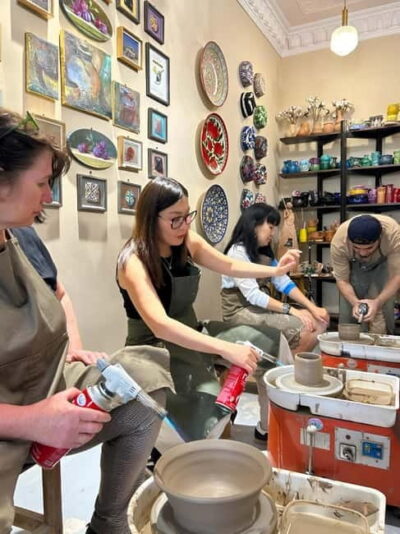
Uzbek Culture, Food, Crafts & Pottery Masterclass
Read our review →
Cooking class in Samarkand with local life experience
Read our review →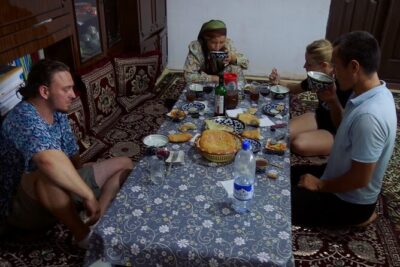
Private Samarkand Cooking Class with Market Tour & Transfers
Read our review →
Legends and Crafts: Suzani Masterclass & Cultural Immersion
Read our review →
Cooking Class in the Village with Local Family in Samarkand
Read our review →
Browse the lists this tour appears in