
Reviewed · COOKING CLASSES
Samarkand: Village Tour with Plov Cooking Class & Home Visit
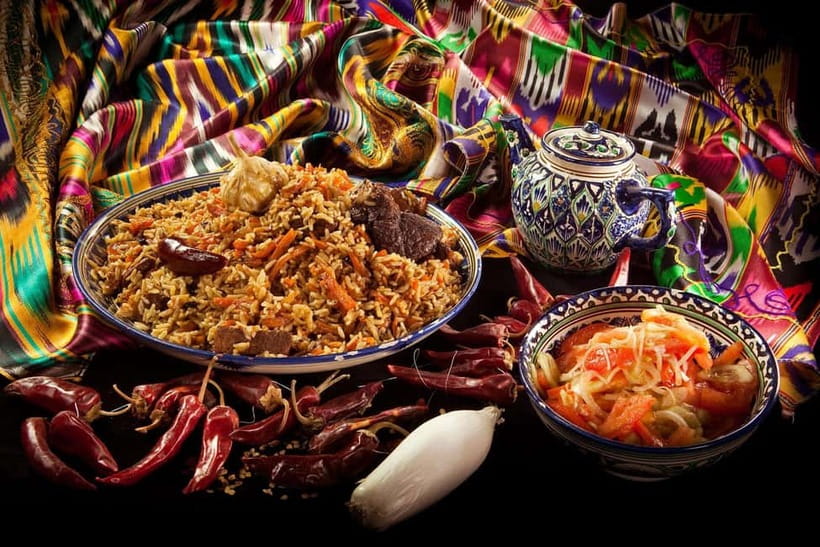
The best part of this Samarkand day trip is not simply eating plov. It is being invited into a rural Uzbek home, helping prepare the meal, and seeing how food, family, farming, and hospitality fit together. I especially like the stop at a local bazaar for ingredients and the chance to cook over a live fire, two details that make the day feel connected to daily life rather than staged for tourists.
I also like the unhurried pace. Guides such as Asrorbek and Javokhir explain village customs, answer questions about Uzbek life, and keep conversation moving during the drive and meal. The main consideration is the long day and the walking involved, with conflicting accessibility information, so this is best for people who can manage village paths and outdoor cooking areas.
Key points to know before you book
- Shop before you cook: The day may begin at a local bazaar, where you help choose ingredients and snacks for the meal.
- Cook plov the traditional way: You can take part in preparing Samarkand-style plov, fresh non bread, and salads over a live fire.
- Meet a real host family: The home visit gives you time for conversation, food, and a look at rural routines.
- Expect a 40 to 60-minute drive: The village is outside Samarkand, with the exact drive time depending on the location and stops.
- The pace is gentle: This is more about food, stories, and observation than a packed sightseeing schedule.
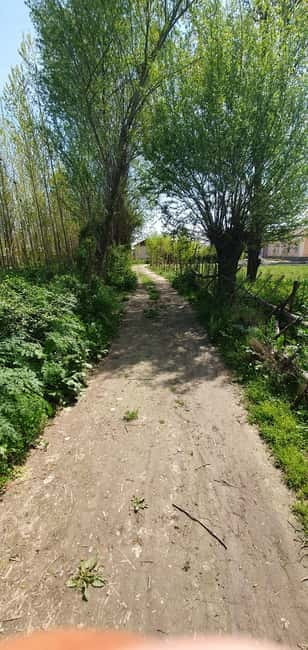
- Check mobility details carefully: The experience includes village walking and may not suit people with mobility impairments.
Why this day adds something special to Samarkand
Samarkand is famous for grand monuments, blue tile, and long-distance history. Those sights deserve your time. But after several hours of tiled domes and formal courtyards, a day spent around a family table can show you another side of Uzbekistan.
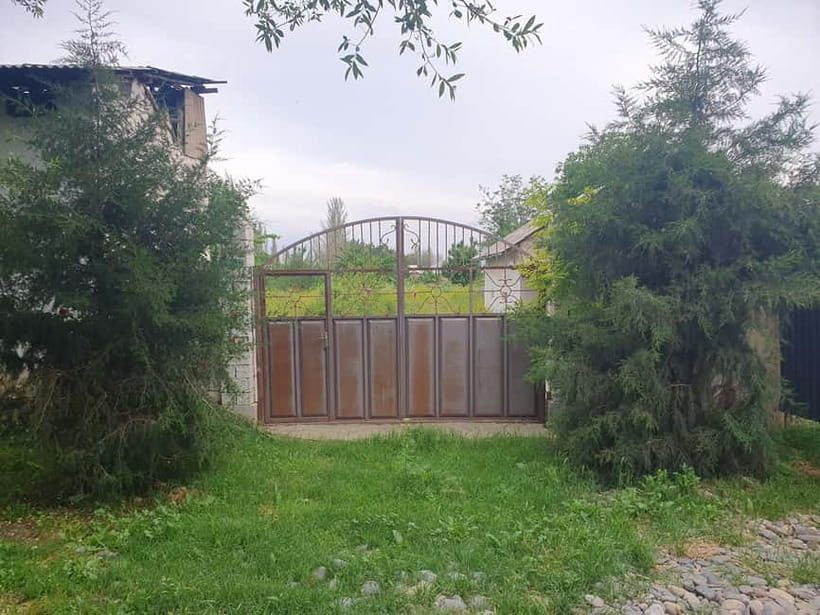
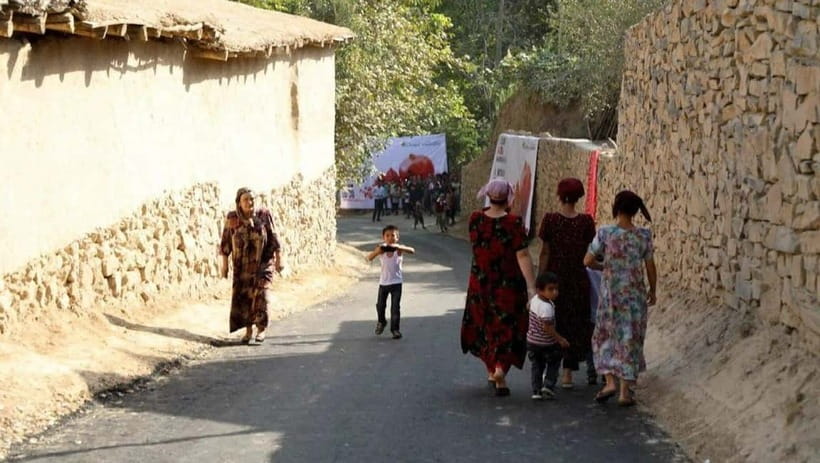
This outing takes you beyond the city into the Samarqand Region. You see homes, fields, gardens, livestock, and ordinary routines. The focus is not on a major monument. It is on the people who cook, work, host, and carry on village traditions.
That matters because food is a practical way into a culture. Plov is not just a popular dish to sample in a restaurant. It is tied to family gatherings, celebrations, work, and hospitality. By helping prepare it, you get a clearer sense of the time, heat, ingredients, and shared effort behind the food placed in front of you.
The family visit also gives the day a personal quality. You are not only passing through a village by car. You are welcomed into a home, introduced to local customs, and given time to sit and talk. That slower exchange is the heart of the experience.
More Cooking Classes in Samarkand
- Samarkand: Uzbek Cooking Class in a Village Home
★ 5.0 · 22 reviews - Cooking class in Samarkand with local life experience
★ 5.0 · 19 reviews - cooking traditional food in Samarkand with local people
★ 4.8 · 17 reviews
The drive from Samarkand to the village
Pickup is offered from your Samarkand hotel, and the drive to the village commonly takes about 40 to 60 minutes. The exact timing can vary, but this is not a quick city excursion. Plan on a full eight-hour day, including the road, cooking, lunch, village walk, and return trip.
The drive is part of the outing. You may see people going about daily tasks, rural homes, farmland, and the changing views outside the city. English-speaking guides such as Asrorbek, Javokhir, and other members of the local team use the journey to explain Uzbek culture and rural life.
For groups of more than five people, pickup arrangements may change. The information provided says larger groups may be asked to go to a meeting point, with details sent by email. Confirm this before the day of the tour, especially if your hotel is outside central Samarkand.
The transport has received strong marks, with 87 percent of ratings giving it a perfect score. Still, the listing has an inconsistency: transportation to the village is described as included in one place and not included in another. Ask for clear confirmation of the transport cost before booking. That is a small but important bit of travel housekeeping.
Start at the bazaar, where the meal begins
One of the nicest details is the possible stop at a local market or bazaar to buy ingredients for the plov. This gives you a look at the food supply behind the meal and lets you see ordinary shopping rather than a polished cooking demonstration with all the ingredients already laid out.
The stop may be brief, sometimes around seven minutes according to the itinerary, so do not expect a long market tour. It is more of a useful local stop than a major sightseeing visit. You may help select rice, vegetables, meat, bread, or other items, along with snacks for the road.
This is also a good time to ask questions. Your guide can explain what ingredients matter in Uzbek cooking and how the bazaar fits into village life. The experience becomes more meaningful when you understand that lunch is being assembled as part of the day, not simply served on arrival.
Cooking plov over a live fire
The cooking class is the main event. Under the direction of your host, you take part in preparing plov, the filling rice dish associated with Uzbek celebrations and family meals. The process may take place in a barn, outdoor cooking area, or other rural setting, with the pot heated over a live fire.
Expect a hands-on lesson rather than a formal school kitchen. You may help prepare ingredients, watch the order of cooking, and learn the techniques used to build flavor. The guides explain what is happening, while the local host shows the methods passed through the family.
Plov is hearty food, and the portion is described as generous. It is commonly served with salads and bread, so lunch is not just a small tasting. You sit down after the work and eat what you helped prepare.
The fire adds character, but it also means you should dress for an outdoor cooking session. Comfortable shoes are important, and loose clothing that you do not mind wearing around a cooking area is sensible. Sun protection is also useful, since parts of the day may take place outdoors.
More cooking with locals in Samarkand:
- Private Samarkand Cooking Class with Market Tour & Transfers
★ 5.0 · 14 reviews - Cooking Class in the Village with Local Family in Samarkand
★ 5.0 · 11 reviews - Tashkent: Cultural Exploration & Pottery Masterclass
★ 5.0 · 24 reviews - Tashkent: Uzbek Culture, Food, Crafts & Pottery Masterclass
★ 5.0 · 24 reviews
Fresh non bread and a generous family meal
The food lesson can include baking non, the round Uzbek bread served with many meals. This gives you a second cooking activity and helps show how bread fits into everyday Uzbek eating habits.
After the food is ready, you share a traditional meal with the family. The social part is just as important as the recipe. You have time to talk about customs, daily routines, family life, and differences between Uzbekistan and your own country.
This is where the experience suits curious, social people best. You do not need to be an expert cook. You do need to enjoy sitting, listening, asking questions, and taking part in a meal that may last longer than a standard restaurant lunch.
The hosts are described as warm and welcoming, and some outings have included time with children or extra invitations connected to village events. Those additional moments cannot be promised, but they show how flexible the day can become when local occasions happen to overlap with your visit.
Alcohol is not allowed indoors, and smoking is not allowed inside the home. Water is provided, though you can bring your own bottle.
Walking through village homes, farms, and gardens
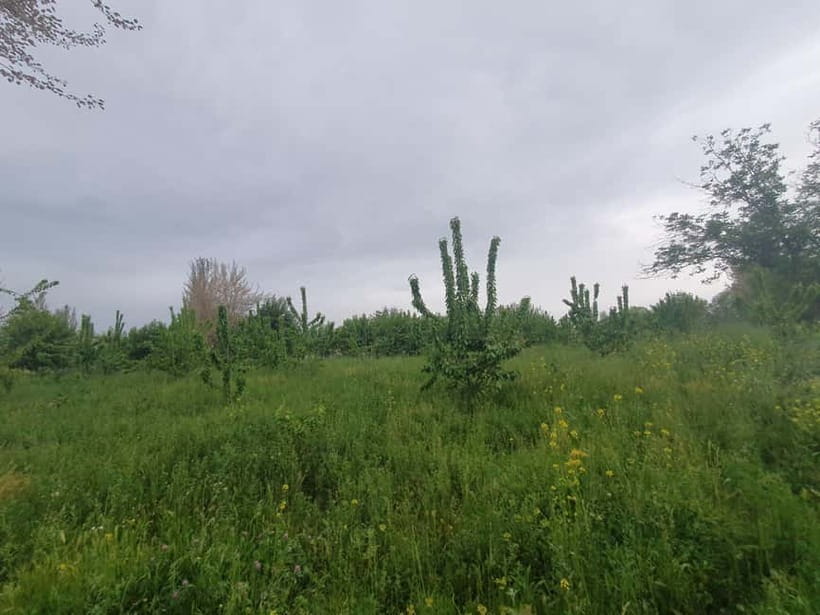
After lunch, the guide may take you on a walk through the village and nearby farmland. The walk can last about 30 minutes, though the exact route depends on the day and the local conditions.
This part helps you place the meal in its setting. You might see traditional house construction, gardens, fields, livestock, or cotton-growing areas. One outing included an explanation of how village houses are built, including their form and materials. Another included a look at cotton fields near harvest season.
You may also have the chance to explore traditional crafts, play local games, or see how animals are cared for. These activities are presented as possible additions, not fixed promises, so keep your expectations flexible.
The walk is a drawback for anyone with limited mobility. The activity information describes the tour as wheelchair accessible in one section, but it also says it is not suitable for wheelchair users or people with mobility impairments. Treat the stricter warning as the safer guide and ask the provider about paths, steps, ground surfaces, and access to the home before booking.
The guide makes a big difference
Because the day includes a long drive and extended conversation, the guide matters. English-speaking guides named in the experience include Asrorbek, Javokhir, Bekjon, and Eshkuvatov. Names and assignments can change, but the best version of this tour depends on a guide who can explain both the details and the bigger picture.
Asrorbek is described as handling pickup, cultural explanations, and the village visit with a friendly manner. Javokhir is noted for keeping conversation flowing and comparing Uzbek customs with European life. Other guides are described as polite, professional, and fluent in English.
That mix is useful. You want someone who can translate, but also someone who understands when to let the family speak for themselves. A good guide gives context without turning every moment into a lecture.
A small group can make the day better. Some departures have had only two or three people, which allows more conversation and more chances to help with the cooking. Group size is not guaranteed, so ask if that matters to you.
How much value do you get for $59?
At $59 per person, this is a strong value if you want more than a standard meal. The price covers an eight-hour experience with transport arrangements, a guided village visit, a family home visit, cooking instruction, and a traditional meal.
You are also paying for access that can be hard to arrange alone. Reaching a rural home, finding a willing host, translating conversations, buying ingredients, and understanding local customs would take time and local contacts. Here, those pieces are brought together in one day.
The value is less obvious if you want nonstop sightseeing. There are no major monuments listed, and the day includes sitting, cooking, eating, and talking. That is the point, but it will not suit someone who wants a tightly packed schedule.
The slower rhythm can be a welcome break during a busy Central Asian trip. You may spend several days moving between cities and historic sites. This outing gives you a chance to pause, eat well, and connect with people in a less formal setting.
Practical advice for a comfortable day
Wear comfortable walking shoes. Village surfaces may not be as smooth as city pavements, and the day can include walking between homes, fields, gardens, and cooking areas.
Bring a sun hat, sunscreen, and a camera. Sun protection is specifically advised, and photography can help you remember the house, cooking process, countryside, and meal. Ask before photographing people, especially children or family spaces.
Keep your schedule open. The stated duration is eight hours, but cooking and conversation are not always easy to time precisely. The day may feel relaxed rather than clock-driven.
Free cancellation is available up to 24 hours before the activity for a full refund, and you can reserve now and pay later. Starting times depend on availability, so check the schedule for your date.
The tour is offered in English. It is not suitable for people with mobility impairments according to the safety information, despite the separate accessibility note, so clarify this point directly before you commit.
Who should book this experience?
I would choose this for you if you want personal contact, local food, and a quieter day outside Samarkand. It is especially good for couples, solo visitors, families, and anyone who wants to understand ordinary Uzbek life rather than only see famous sights.
It also suits people who enjoy learning by doing. You help shop, prepare, cook, eat, walk, and talk. The day is not designed for someone who prefers to observe from a distance.
You should think twice if you have limited mobility, dislike outdoor cooking, or need a tightly timed itinerary. The drive is fairly long, the walking surface may be uneven, and the cooking class is informal rather than a polished culinary course.
Should you book the Samarkand village and plov day?
Yes, if you have room for one slower day in Samarkand. The combination of bazaar shopping, live-fire cooking, fresh bread, a family meal, and village walking offers a side of Uzbekistan that you will not get from the Registan or other city monuments.
The strongest reason to book is the home visit. You are given time to share food and conversation, not simply shown a rural setting through a car window. At $59, that combination offers good value.
Before paying, confirm two things: how transport is handled for your group and whether the walking and home access suit you. If those details work, this is one of the more personal and memorable ways to add rural Uzbekistan to a Samarkand stay.
FAQ
How long does the tour last?
The experience lasts eight hours, including pickup in Samarkand, travel to the village, the activities, and the return journey.
Where does the tour begin?
Pickup is available in Samarkand, including hotel pickup. Groups larger than five may be asked to use a meeting point, with details sent by email.
Is transportation included?
The information says transportation to the village is included, but another section says it is not included. Confirm the transport arrangements and any cost before booking.
What language is the tour offered in?
The live guide speaks English.
What food will I prepare?
You will learn to prepare plov, along with fresh non bread and salads. The meal is shared with the host family after cooking.
Will I visit a local family home?
Yes. The experience includes a home visit, conversation with the family, cooking, and a shared traditional meal.
Is the tour suitable for wheelchair users?
The information is conflicting. One section says wheelchair access is available, while the safety details say the activity is not suitable for wheelchair users or people with mobility impairments. Contact the provider before booking to confirm access.
Can I cancel the booking?
You can cancel up to 24 hours in advance for a full refund. Reserve now and pay later is also available.
Just added in Samarkand
- Samarkand City Tour: Ancient Domes & Timeless Stories★ 5.0 · 5 reviews
- Samarkan City Tour From Tashkent★ 4.3 · 5 reviews
- Seven Lakes Tajikistan Private Excursion From Samarkand★ 4.0 · 11 reviews
- Samarkand Walking Tour★ 4.5 · 8 reviews
- Samarkand Walking Tour History Culture and Hidden Gems★ 5.0 · 9 reviews
- From Samarkand: Day tour to the Tajiksitan Alexander lake.★ 4.8 · 9 reviews
- Cooking Class in the Village with Local Family in Samarkand★ 5.0 · 11 reviews
- Day Tour from Samarkand Explore Panjakent and Seven Lakes★ 5.0 · 6 reviews
Cooking Classes, compared.
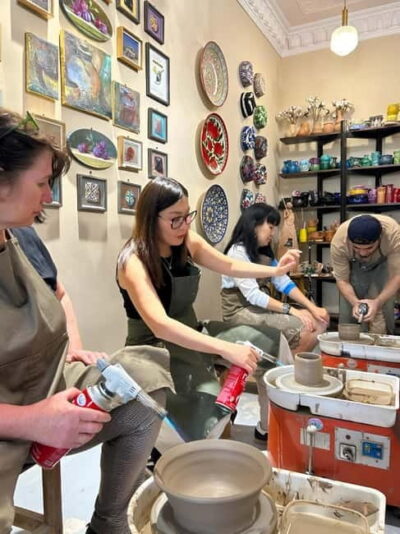
Uzbek Culture, Food, Crafts & Pottery Masterclass
Read our review →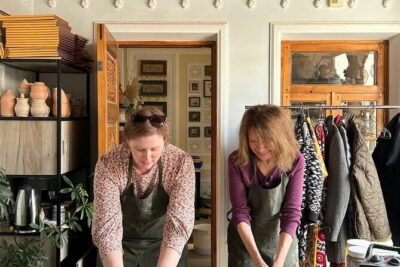
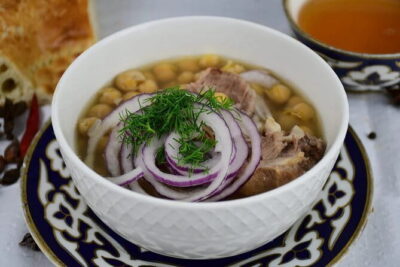
Cooking class in Samarkand with local life experience
Read our review →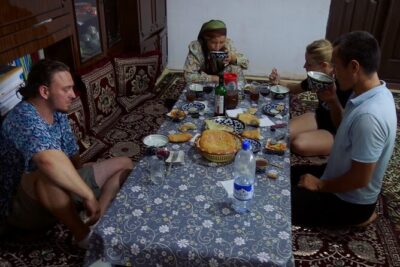
Private Samarkand Cooking Class with Market Tour & Transfers
Read our review →
Legends and Crafts: Suzani Masterclass & Cultural Immersion
Read our review →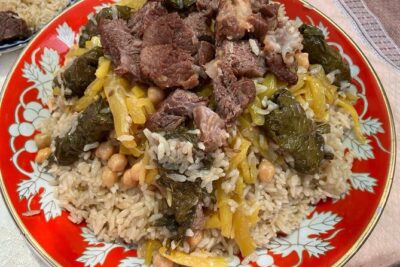
Cooking Class in the Village with Local Family in Samarkand
Read our review →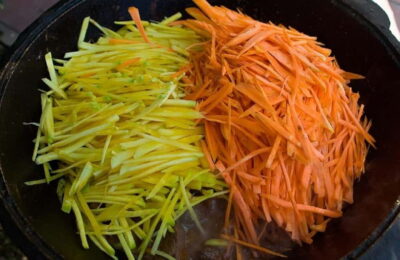
Browse the lists this tour appears in