
Reviewed · COOKING CLASSES
Samarkand: Uzbek Cooking Class in a Village Home
Uzbek cooking makes the most sense when you see it cooked in a family yard, not just served in a restaurant. This $52 village cooking class takes you about an hour from Samarkand, where Bekjon and his family show you how plov is built from rice, carrots, onions, meat, and patience over an open fire.
I like the hands-on work, especially shaping mantu and helping prepare plov in a large qozon. I also like the simple setting: a clay-brick home, fruit trees, animals, tea under a grapevine, and time to talk about ordinary Uzbek life. The main drawback is the distance and the meat-centered menu, which makes this a poor fit for vegans, vegetarians, and some travelers with dietary or mobility concerns.
Key points
- Plov cooked over a wood fire: Learn the traditional order of ingredients and help stir, taste, and watch the rice slowly cook in a large qozon.
- Mantu made by hand: Roll dough, add the filling, shape the dumplings, and steam them in a multi-layered mantuvarka.
- A real family setting: Bekjon, his mother, and other family members host you in their village home rather than in a staged restaurant kitchen.
- One hour beyond Samarkand: The drive gives you a look at rural life, but the five-and-a-half-hour schedule takes a good part of your day.
- Time beyond the kitchen: Explore the garden, feed cows, sheep, chickens, or donkeys, try local snacks, and sit down for green tea.
- Flexible booking: Pickup is available from a hotel, train station, or airport, and cancellation is allowed up to 24 hours before the activity.
Leaving Samarkand for a family kitchen
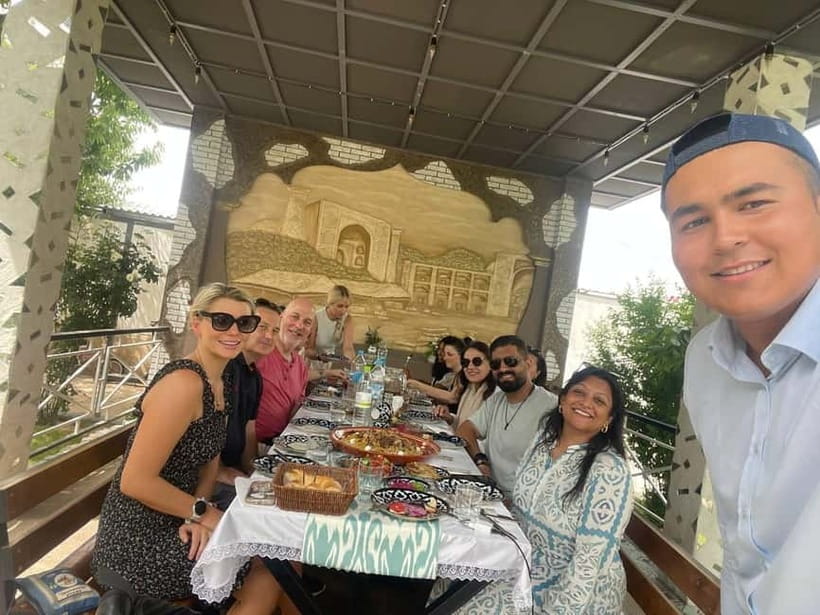
The class begins with pickup in Samarkand. Bekjon contacts you before the outing and asks about your expectations or food restrictions, then collects you from your stated hotel, train station, or airport address. Several accounts describe the transport as punctual and smooth, which matters here because the village is about one hour from the city.
That drive is part of the experience, not just a transfer. Bekjon explains local culture, history, and the places you pass. One outing included a stop at a local market to buy ingredients, giving the cooking a useful sense of place. Market visits are not listed as a guaranteed part of every departure, so treat that as a possible extra rather than a promise.
The route takes you away from Samarkand’s monuments and into a quieter setting of gardens, fields, and family compounds. If your schedule is tight, think carefully before booking. With five and a half hours in total, plus the drive each way, this is a half-day commitment. If you want to understand how food fits into daily life, that time is well spent.
More Cooking Classes in Samarkand
- Samarkand: Village Tour with Plov Cooking Class & Home Visit
★ 5.0 · 29 reviews - Cooking class in Samarkand with local life experience
★ 5.0 · 19 reviews - cooking traditional food in Samarkand with local people
★ 4.8 · 17 reviews
Arriving at the clay-brick village home
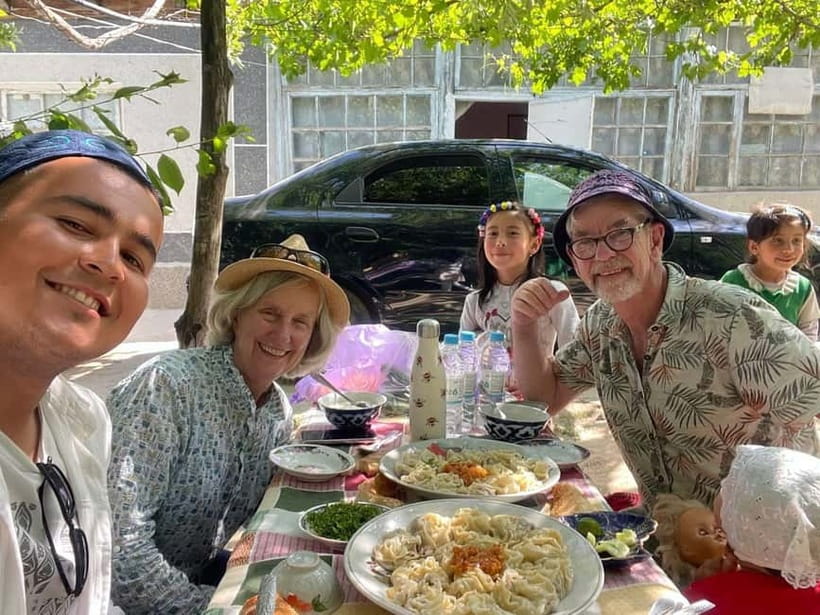
At the house, you meet Bekjon’s family and see a side of Uzbekistan that a city restaurant cannot provide. The home is described as a traditional clay-brick house surrounded by fruit trees and vegetable patches. You may also meet the animals that form part of village life, including cows, sheep, chickens, and donkeys.
This setting gives the class its real value. You are not simply following a recipe. You can see where ingredients are grown, how a family uses its outdoor space, and how cooking connects with conversation and hospitality. You can explore the garden, feed the animals, or rest beneath a grapevine with green tea while the main dish cooks.
The pace is also more personal than a standard demonstration. Bekjon’s mother takes an active role in showing cooking methods, and his sister-in-law has helped demonstrate mantu. Communication is in English with Bekjon, though translation apps may sometimes help with conversations involving other family members.
You should come prepared for a home environment rather than a polished culinary studio. That means the experience feels warm and informal, but it may also be less predictable than a commercial class. Comfortable clothing is a good idea, as is sunscreen if you will spend time outside.
Learning the order of a proper Uzbek plov
Plov, also called pilaf, is the centerpiece for many visitors. In Uzbekistan, it is far more than rice with meat. It is served for celebrations, family occasions, and ordinary shared meals, and the preparation rewards careful timing.
You begin by preparing the ingredients. The dish uses rice, carrots, onions, lamb or beef, and spices. The class focuses on the practical order of the work: preparing the ingredients, layering the flavors, and allowing the mixture to cook slowly.
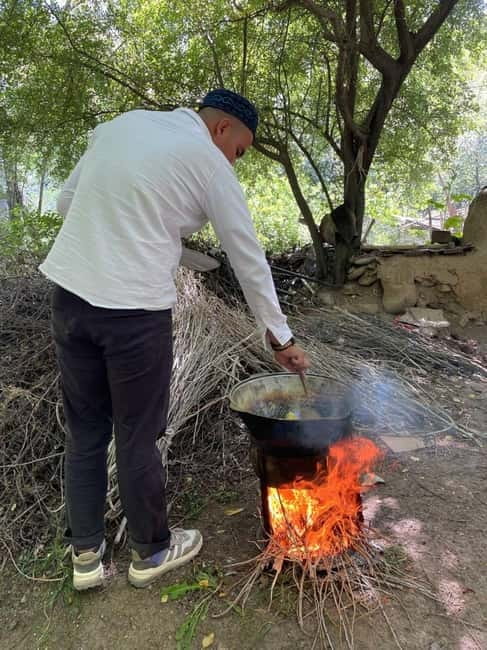
The plov is cooked outdoors over a wood-fired stove in a qozon, a large cast-iron pot. This is a useful detail because the heat and scale of the pot change the cooking process. You are not making a small saucepan of rice on a modern kitchen hob. You help stir and taste as the dish develops, then watch the aroma spread through the yard.
The class is hands-on, but it is not presented as a professional chef course. You will learn the household method used by the host family, including how the ingredients are handled and how the cook judges progress. If you like cooking, this is the strongest part of the outing. You leave with a clearer idea of why Uzbek plov has such a central place at the table.
Allow enough time for the dish to cook. The waiting period is not wasted. You can drink tea, snack, walk through the garden, feed the animals, and ask Bekjon about Uzbek traditions and everyday life. One particularly nice touch is the chance to try traditional wedding clothes while the food is being prepared, although this should be regarded as an activity that may be offered rather than a guaranteed part of every visit.
Shaping mantu with the family
The second cooking task is mantu, steamed dumplings filled traditionally with minced meat and onions. You roll out thin dough, add filling, fold the dumplings, and place them in a mantuvarka, a multi-layered steamer.
Mantu takes patience and a little finger skill. The shapes do not need to look perfect, and that is part of the fun. You learn by watching and copying the family, then make your own dumplings under local guidance. The work is often associated with women preparing food together for holidays and family gatherings, so this part of the class gives you a glimpse into the social side of Uzbek cooking.
The finished dumplings are steamed rather than fried. That produces a soft dough and a tender filling, with a different character from plov. If you are choosing between the two dishes, plov offers the drama of the open fire and qozon, while mantu offers more direct handwork.
Vegetarian fillings such as pumpkin or potato are offered for mantu. That is helpful, but it does not make the full experience vegetarian. Plov and the general cooking activity involve meat, so vegans and vegetarians should not book unless they have confirmed suitable arrangements in advance. The supplied information specifically warns that the activity may not suit people with food allergies or animal allergies.
More cooking with locals in Samarkand:
- Private Samarkand Cooking Class with Market Tour & Transfers
★ 5.0 · 14 reviews - Cooking Class in the Village with Local Family in Samarkand
★ 5.0 · 11 reviews - Tashkent: Cultural Exploration & Pottery Masterclass
★ 5.0 · 24 reviews - Tashkent: Uzbek Culture, Food, Crafts & Pottery Masterclass
★ 5.0 · 24 reviews
Tea, snacks, and the value of eating together
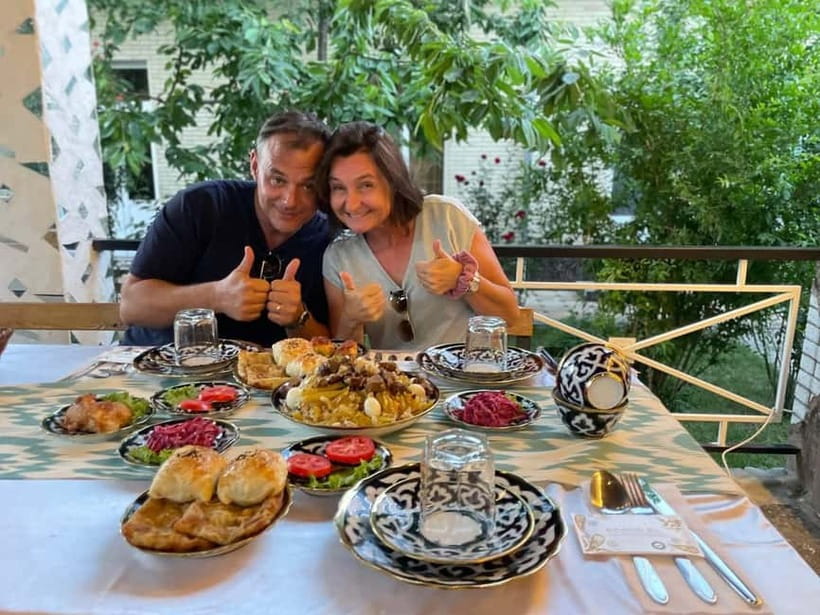
The meal is the reward for the work, but the social setting matters just as much. You eat the food prepared during the class and share tea and local snacks with the family. Plov portions can be generous. One participant shared a plate with Bekjon’s mother, which gives you a sense of the communal style rather than a formal individual serving.
Green tea beneath a grapevine may sound like a small detail, but it is one of the best parts of the schedule. The class leaves room to slow down, ask questions, and notice how hospitality works in a village home. Bekjon is also able to discuss Uzbek history and culture, including topics such as Amir Temur, depending on your interests.
Do not expect a lecture with a fixed script. The conversation seems to grow from the day itself, the family, the cooking, and the questions you bring. That suits people who enjoy personal contact. It may feel less satisfying if you want exact measurements, a printed recipe, or a tightly timed cooking curriculum.
What the $52 price buys you
At $52 per person, the price covers the cooking masterclass, ingredients, the village tour, tea beneath the grapevine, and transfer from Samarkand to the village and back. The transfer is important because arranging your own transport to a rural home would add both cost and planning.
You are also paying for time. The experience lasts 5.5 hours, with about 3.67 hours allocated to the village cooking portion in the stated schedule. That leaves room for the drive, welcome, food preparation, meal, and return journey without forcing the class into a rushed block.
I consider the price fair if you value personal contact and cultural context as much as the food itself. A city cooking class might be cheaper or easier to reach, but it would not necessarily show you the family garden, animals, outdoor stove, or shared household setting. On the other hand, this is not the best use of $52 if you only want to taste plov and have limited time in Samarkand. You can find plov in the city without giving up most of a day.
Transport has been a strong part of the experience, with all transport ratings reported as perfect. Bekjon’s advance communication is another practical benefit. He asks what you expect, confirms pickup, and can answer questions before the day begins.
The booking terms are useful for a flexible itinerary. You can reserve now and pay later, and cancel up to 24 hours in advance for a full refund. Starting times depend on availability, so check the schedule before building the rest of your Samarkand plans around it.
Who will enjoy this most
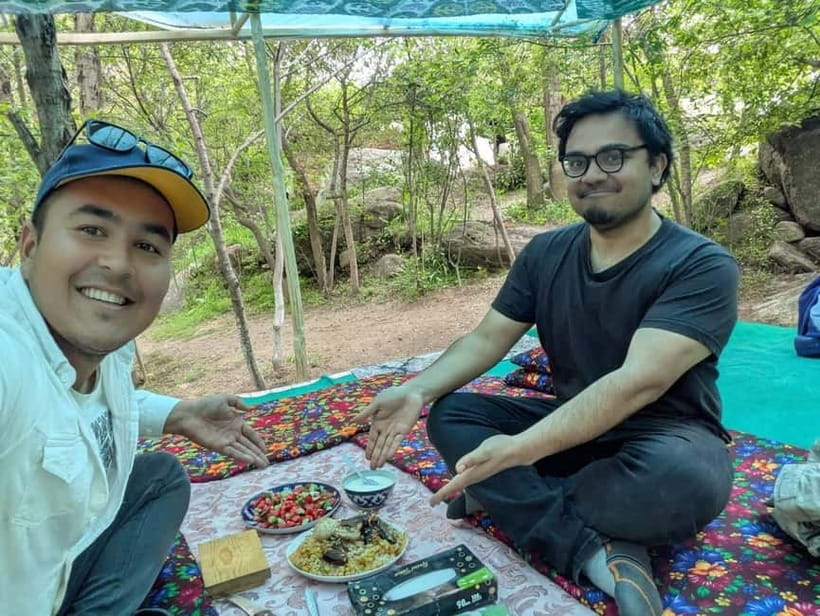
This class suits you if you like food, family stories, and everyday culture more than formal sightseeing. It is especially good for visitors who have already seen Samarkand’s main historic sights and want a change of pace in the countryside.
You will get the most from it if you:
- Enjoy helping with food rather than only watching a demonstration
- Want to learn how plov is made over an open fire
- Like trying unfamiliar dishes and asking questions
- Appreciate simple rural settings
- Have enough time for a half-day outside the city
- Are comfortable around farm animals and a family home
The outing is less suitable for people with back problems, recent surgery, or serious mobility concerns. The activity also lists restrictions for people with diabetes, food allergies, animal allergies, and babies under one year. People over 95 are advised not to take part.
The mention of diabetes is worth taking seriously because the meal and timing may not fit your dietary needs. If you have an allergy or a strict diet, contact the provider before paying rather than relying on an improvised substitute on the day.
Small details that improve the day
Wear comfortable clothes that can handle outdoor cooking. Bring a camera and sunscreen. The experience includes work around a fire, garden time, and contact with animals, so practical clothing is more useful than anything dressy.
Ask Bekjon early if you prefer plov, mantu, or both, since the description presents them as the main cooking options. Also tell him in advance about dietary needs, mobility issues, or foods you avoid. He already contacts participants about expectations, so this is the right moment to be clear.
The activity is conducted in English. Bekjon’s English has been described as solid, especially for conversations about history and culture. Communication with other family members may sometimes rely on translation apps, which is normal for a home visit and not a reason to expect a formal English-language lesson from every person present.
The listing says fireworks are not allowed. That is an unusual rule for a cooking class, but it is simple: do not bring them.
Should you book the Samarkand village cooking class?
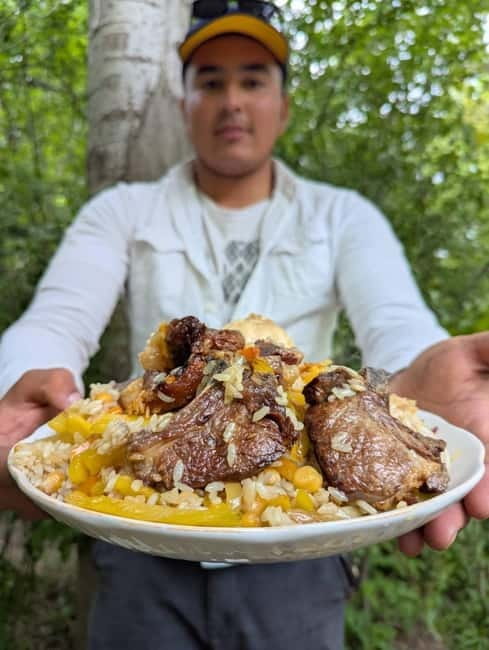
Book it if you want to see how Uzbek food is made in a real family setting, not just order it from a menu. Bekjon’s care with pickup and communication, his mother’s cooking guidance, the outdoor qozon, hand-shaped mantu, and the relaxed tea time make this a strong cultural addition to a Samarkand itinerary.
Skip it if your schedule is too tight for the one-hour journey each way, if you need a strictly vegetarian or vegan meal, or if outdoor cooking and village walking will be difficult. For everyone else, the $52 cost buys more than lunch. It buys a window into Uzbek family life, with enough time to cook, eat, talk, and slow down.
FAQ
How long does the cooking experience last?
The full activity lasts 5.5 hours. The village cooking portion is listed as about 3.67 hours, with the rest of the time covering pickup, travel, and return to Samarkand.
How far is the village from Samarkand?
The village is about one hour from Samarkand. Pickup and return transfer are included.
What dishes will I learn to make?
The main dishes are Uzbek plov and mantu. Plov is cooked in a qozon over an open fire. Mantu are steamed dumplings made with thin dough and a filling of minced meat and onions.
Are vegetarian or vegan options available?
Vegetarian fillings such as pumpkin or potato are offered for mantu. The overall activity includes cooking with meat, so it may not be suitable for vegetarians or vegans.
Who provides the English guidance?
The guide is Bekjon. His family, including his mother, helps with the cooking and hospitality. The activity is conducted in English, and translation apps may sometimes be used with other family members.
What is included in the $52 price?
The price includes the cooking class, ingredients, village tour, tea under a grapevine, and transfer between your Samarkand pickup point and the village home. Personal expenses are not included.
Just added in Samarkand
- Samarkand City Tour: Ancient Domes & Timeless Stories★ 5.0 · 5 reviews
- Samarkan City Tour From Tashkent★ 4.3 · 5 reviews
- 1 Day Tour to Shakhrisabz: Motherland of Amir Temur★ 4.5 · 6 reviews
- Samarkand Moonlight Tour: A Timeless Night Experience★ 5.0 · 6 reviews
- Panjakent day trip from Samarkand★ 4.5 · 6 reviews
- Private Day Trip to Shakhrisabz from Samarkand★ 5.0 · 9 reviews
- Samarkand Airport / Railway Station – Samarkand City Transfer★ 4.5 · 7 reviews
- Samarkand – Shakhrisabz – Bukhara One Day Trip★ 4.6 · 11 reviews
Cooking Classes, compared.
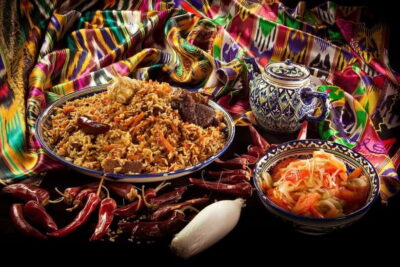
Village Tour with Plov Cooking Class & Home Visit
Read our review →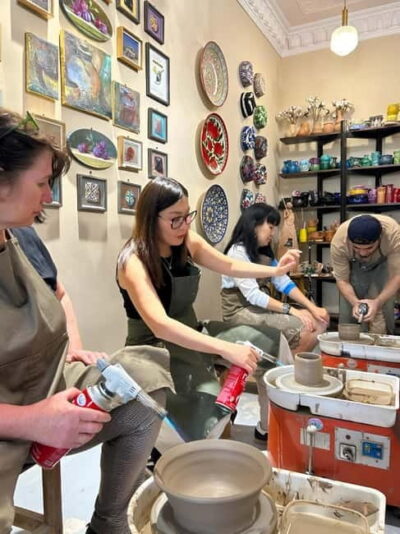
Uzbek Culture, Food, Crafts & Pottery Masterclass
Read our review →
Cooking class in Samarkand with local life experience
Read our review →
Private Samarkand Cooking Class with Market Tour & Transfers
Read our review →
Legends and Crafts: Suzani Masterclass & Cultural Immersion
Read our review →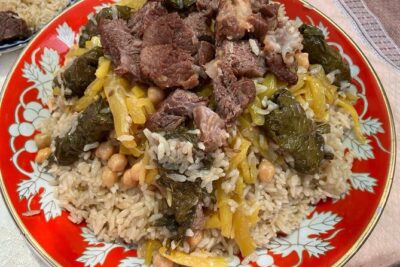
Cooking Class in the Village with Local Family in Samarkand
Read our review →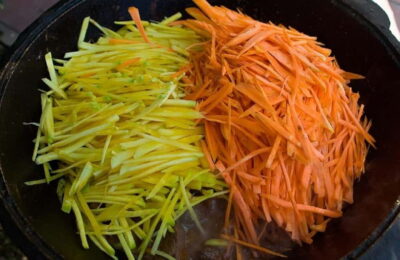
Browse the lists this tour appears in