
Reviewed · HISTORICAL TOURS
Bukhara Historical City Highlights Guided Walking Tour
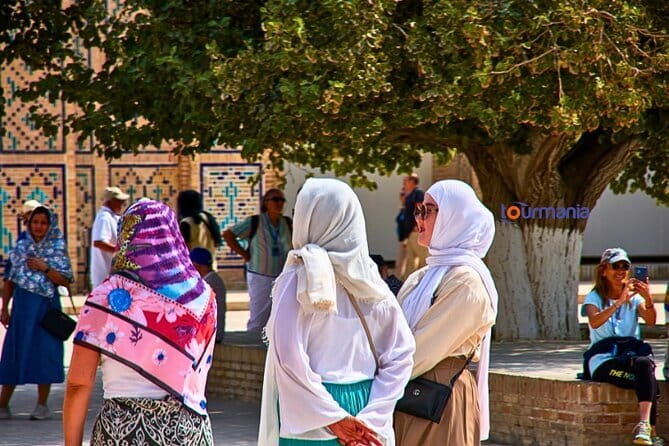
Bukhara’s old center is best understood on foot, where a shaded pool, old trading domes, a sunken mosque, and the towering Kalyan Minaret follow one another in a compact route. I like that this tour gives you four focused hours rather than rushing through a giant city tour, and I like the mix of public spaces, religious buildings, and commercial landmarks.
The guide is the key to the experience. Ruby is one guide associated with the tour, and the feedback about clear English, strong explanations, and attentive help is encouraging. The main catch is cost: the $24 tour price does not include entry tickets, which add about $20, and four hours of walking may feel long in hot weather.
Key points to know before booking
- Six major Bukhara sights: Visit Nodir Devon Begi Madrasah, Lyab-i-Hauz, Toki Sarrafon, Magoki-Attori Mosque, the Kalyan Minaret, and Poi Kalyan Mosque.
- A small walking group: The maximum is 15 people, enough for a social outing without the feel of a large coach tour.
- A guide-led history lesson: A licensed guide explains Bukhara’s architecture, culture, and past in English or another available language.
- Extra entrance costs: The $24 price covers the guide and taxes, while admission fees add about $20.
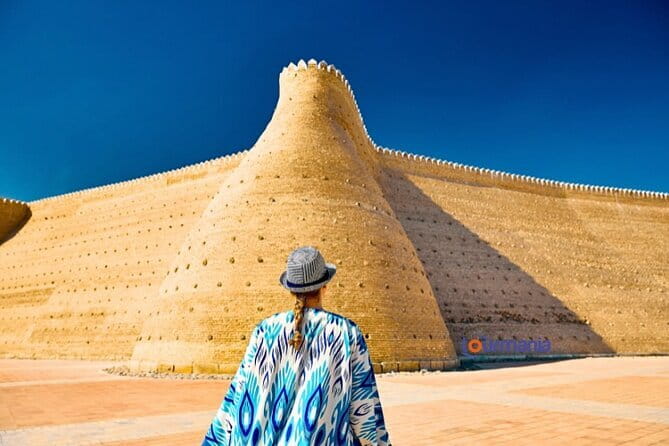
- A practical four-hour route: The tour begins near the Khodja Nasreddin statue and ends at the Ark of Bukhara.
- A good pace for a first visit: The route brings several central sights together without requiring a full day.
Why this route works for seeing Bukhara
Bukhara can feel like a collection of grand buildings until someone explains how the pieces fit together. This walk helps you read the city in sequence. You begin around Lyab-i-Hauz, move through old commercial spaces, then reach two of the city’s most famous religious monuments.
I like the route because it does not focus only on postcard views. You get a public gathering place, a former school and caravan stop, a trading dome, an early mosque site, a minaret, and a major Friday mosque. Each stop adds a different part of Bukhara’s story.
The route is also compact enough to make sense for a first day in the city. You are not spending much of the tour sitting in a vehicle or crossing long distances. The trade-off is that the experience is a real walking tour. Wear comfortable shoes, and think carefully about the season and time of day.
The guide’s role matters here. One strong feature of the feedback is the praise for clear English and explanations that make local history easier to follow. Another point is the personal attention provided when the group was very small. That suggests the format can work well for solo visitors, couples, and anyone who wants to ask questions rather than simply trail behind a guide.
More Walking Tours in Bukhara
- All You Need To Know About Bukhara. A Walk In The Town
★ 4.9 · 31 reviews - Bukhara: Private Guided Walking Tour with Hotel Pickup
★ 5.0 · 11 reviews - Bukhara: Walking Tour with a Small Group
★ 5.0 · 10 reviews
Starting at Nodir Devon Begi Madrasah
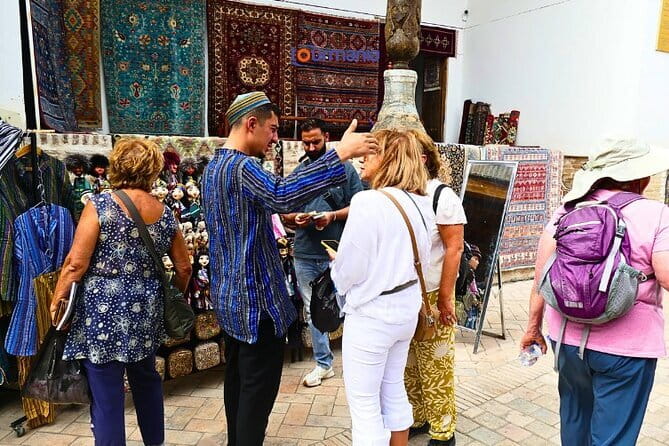
The first stop is Nodir Devon Begi Madrasah, with about 20 minutes set aside for the visit. It is part of a larger historical complex that includes a caravanserai, the roadside lodging once used by merchants and other people crossing Central Asia.
This is a useful opening because it introduces Bukhara as a place of learning, trade, and movement. A madrasah was connected with religious education, while a caravanserai served people traveling with goods across long routes. In one location, you begin to see how commerce and scholarship shaped the city.
Admission is listed as free for this stop. Twenty minutes is enough for an introduction and exterior viewing, though it is not a long architectural study. If you want detailed photographs or time to examine every decorative feature, you may need to return independently.
The stop also gives the guide a chance to explain the wider area before you move on. Listen for how the building relates to the pool and nearby structures, since the next stop, Lyab-i-Hauz, is closely tied to this part of central Bukhara.
Lyab-i-Hauz and the city’s social center
Lyab-i-Hauz receives about 30 minutes. Its name means around the pool, and the complex is organized around a large rectangular pool. This is one of the most atmospheric places on the route because it is not just a monument. It is a public setting shaped by water, buildings, and daily city life.
I like having this stop early in the walk. It gives you a place to pause and understand the scale of old Bukhara before the tour moves through narrower commercial spaces. The pool also provides a clear way to orient yourself in the historic center.
Admission is not included here. Since the tour price does not cover entry tickets, you should budget for the extra charges from the beginning. The supplied estimate for all admissions is about $20, though the exact cost at each site may vary.
Thirty minutes is a reasonable amount of time for an explanation and a look around. It is not designed as a leisurely café break or a long photography session. If you want to linger beside the pool, save that for after the guided portion.
Toki Sarrafon and Bukhara’s old trade network
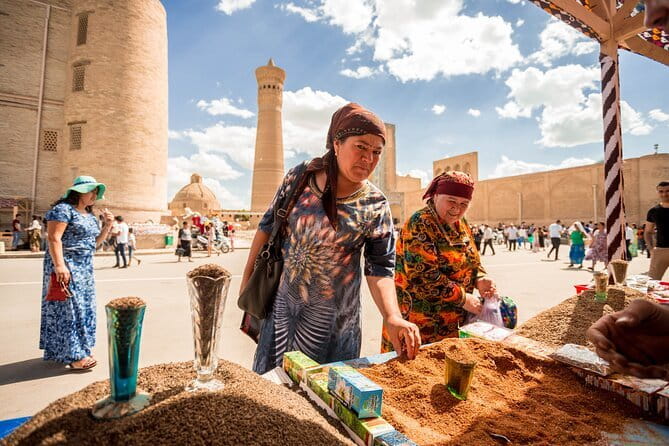
The tour allows about 40 minutes at Toki Sarrafon, one of Bukhara’s historic trading domes. The Uzbek word toki refers to these domed market structures, which once sheltered merchants and shoppers from the sun.
This stop adds a practical side to the tour. Instead of hearing only about rulers and religious buildings, you see where commerce took place. Toki Sarrafon was associated with money changers and financial trade, so the guide can help explain how the old city functioned as a commercial center.
The domed form is part of the appeal. It is both useful and memorable, creating a recognizable space within the old streets. Today, the area is also connected with shopping, so you may find the atmosphere more commercial than at a quiet religious monument.
Admission is listed as free. The 40-minute allocation is among the longer stops, which gives you time to look around without feeling hurried. It may also be the point where the walking becomes more noticeable, especially if the weather is warm.
I would use this part of the tour to ask practical questions about Bukhara’s historic markets and what goods were traded here. A guide can provide context that is difficult to get from the buildings alone.
More walks around Bukhara:
- A Group Walking Tour Of Old Town
★ 5.0 · 8 reviews - Samarkand: Historical Monuments Guided Walking Tour
★ 4.8 · 446 reviews - Khiva: Historical City Highlights Guided Walking Tour
★ 4.8 · 156 reviews - Samarkand One Day Tour: one day walking & group tour
★ 4.4 · 87 reviews
Magoki-Attori Mosque and the Carpet Museum
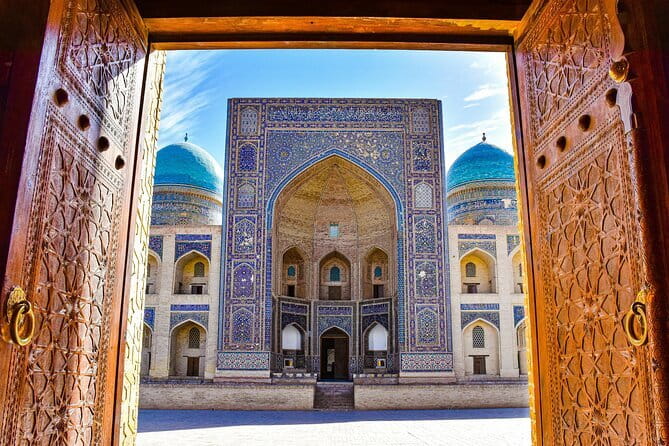
Next comes the Magoki-Attori Mosque, with about 20 minutes planned for the stop. The building is an important example of Islamic architecture in Central Asia and is recognized as one of Bukhara’s significant old religious sites.
The visit also includes a carpet museum. That pairing gives the stop more variety than a quick look at a single facade. You can connect the city’s religious architecture with one of the region’s best-known traditional crafts.
Admission is not included. This is one reason the final cost matters. At $24, the tour itself is reasonably priced for a licensed guide and a half-day route, but the additional entrance fees bring the likely total to around $44 per person.
Twenty minutes is enough for a concise explanation and a museum visit, but it is a short window if you like to study textiles closely. Keep your attention on the guide’s interpretation, then return later if the museum becomes a priority.
This stop may appeal most to visitors who want more than the largest monuments. It offers a smaller-scale encounter with Bukhara’s religious and artistic traditions.
The Kalyan Minaret, Bukhara’s great landmark
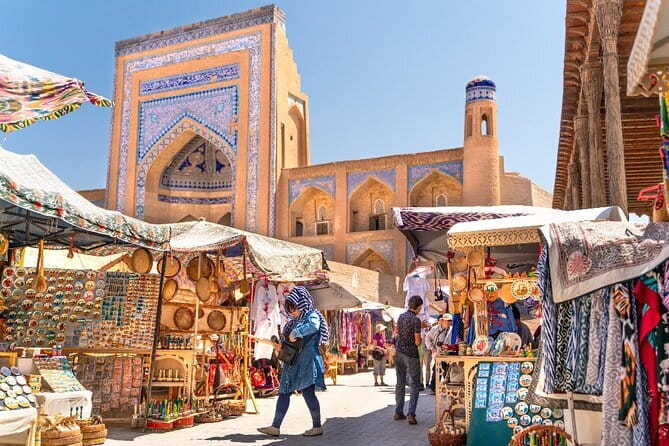
The Kalyan Minaret gets about 30 minutes, and this is likely to be one of the tour’s visual high points. Also called the Great Minaret, it is one of Bukhara’s most recognizable structures and a powerful marker of the city skyline.
The minaret is best appreciated with context. Its height and decoration are impressive on their own, but a guide can explain why it mattered as part of the city’s religious and urban center. From this point, you can also begin to understand the relationship between the minaret and the nearby mosque.
Admission is not included. The tour plan does not specify exactly what access is available at the minaret, so do not assume that the ticket includes climbing or an interior visit. Your guide can clarify what the current admission covers.
Thirty minutes should give you time for photographs and an explanation without turning the stop into a long wait. The minaret is an easy place to focus only on the camera, so make room for the story as well. The value of a guided visit is strongest when the monument becomes more than a striking tower.
Poi Kalyan Mosque and the final major sight
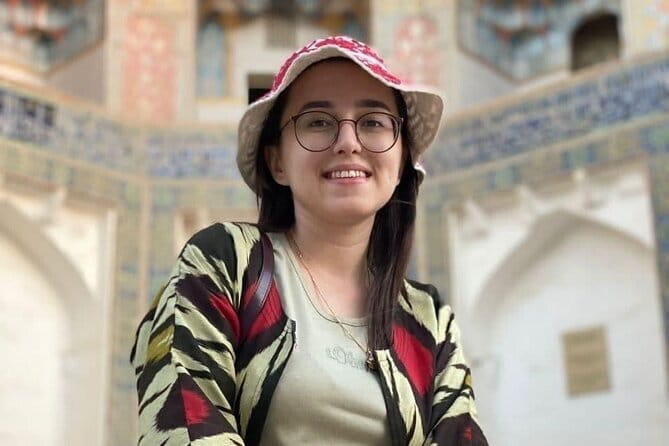
The final listed monument is Poi Kalyan Mosque, also known as the Bukhara Friday Mosque. The tour allows about 30 minutes here. It is one of the city’s largest and most important mosques, and it forms a natural climax after the minaret.
This is where the earlier stops come together. You have seen a madrasah, a pool-centered complex, a trading dome, and a mosque museum. Now you reach the major religious complex that gives the route much of its visual force.
Admission is not included, so keep the extra ticket budget in mind. The schedule allows a proper introduction, but not a long independent visit. If religious architecture is your main interest, you may want to return later with more time.
The tour ends at the Ark of Bukhara. The Ark is listed as the end point rather than one of the six timed stops, so you should not assume that an Ark entrance ticket or a full guided visit inside it is included. Still, ending nearby is useful because the Ark is a major city landmark and a clear place to continue exploring.
What the four-hour pace feels like
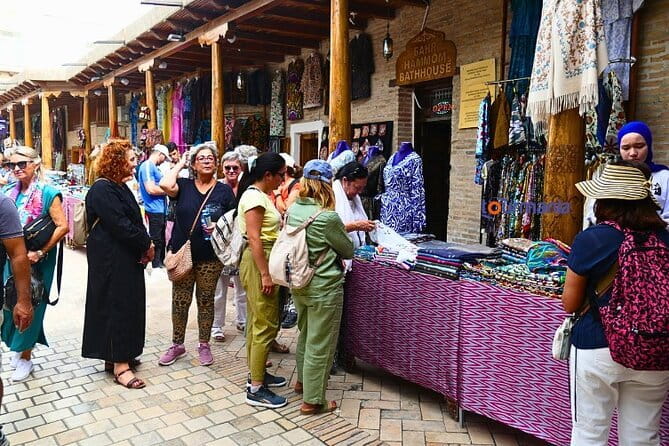
The total duration is about four hours. That is long enough to give the city real attention, but short enough to fit into a morning or afternoon plan. The individual time blocks range from 20 to 40 minutes, so the experience keeps moving.
I would not call it a strenuous hike based on the information provided, but it is more than a series of quick photo stops. You will walk between central sights and spend several hours on your feet. The feedback describes the route as a good walk that can be completed without becoming too tiring, which is useful guidance for anyone concerned about the pace.
Weather matters. The activity requires good weather, and poor conditions can lead to a different date or a full refund. In hot months, a cooler start time would make the route more comfortable, but the available details do not specify morning or afternoon departures.
The group limit is 15 people. That is a sensible size for streets, courtyards, and indoor monuments. You may not receive the same personal attention as a private tour, but the group should remain manageable, especially compared with a large sightseeing party.
Price, tickets, and what you receive
The listed price is $24 per person. That covers a professional licensed guide and taxes. Group discounts are available, and the ticket is mobile, which keeps the booking simple.
The important detail is the admission budget. Tickets are not included, and the estimated extra cost is about $20. Your practical total is therefore close to $44 per person before any personal purchases.
That is fair value if you want a guided introduction to Bukhara’s central monuments. The guide supplies the connecting story, while you receive access to a carefully arranged route through several major sites. It is less attractive if you prefer to wander alone, skip paid monuments, or spend a long time at one location.
The tour is booked, on average, six days ahead. That does not guarantee that every departure sells out, but it suggests you should not leave it until the last minute if your Bukhara schedule is fixed.
Meeting point, ending point, and booking details
The listed starting point is the Khodja Nasreddin statue in Bukhara. The route ends at the Ark of Bukhara on Afrosiab Street. The exact meeting information is provided the day before the tour, so check your messages rather than relying only on the general map pin.
Confirmation is received at booking. Most people can participate, and the maximum group size is 15. The supplied information does not give a detailed accessibility assessment, so anyone with mobility concerns should ask the operator about the walking surfaces and entry conditions before paying.
Cancellation is flexible until 24 hours before the start time, when you can receive a full refund. Within 24 hours, changes are not accepted and the payment is not refunded. Since the experience depends on good weather, a cancellation by the operator for poor conditions brings the choice of another date or a full refund.
Who should book this Bukhara walk
I would recommend it to a first-time visitor who wants a clear introduction to Bukhara without giving up an entire day. It also suits solo visitors who appreciate having a guide to explain cultural details and provide a little company.
The tour should work well for people who enjoy architecture, religious sites, old markets, and Central Asian history. The mix of stops prevents the experience from becoming six versions of the same monument.
It is less suitable if you want a private, slow-paced photography tour, since the group can reach 15 people and the schedule moves from stop to stop. It may also be a poor fit for anyone who does not want to pay separate admission fees.
The strongest reason to book is the guide-led interpretation. The feedback connected with Ruby highlights clear English, useful explanations, and attentive service. Those qualities matter in Bukhara, where the buildings are impressive but the connections between them are not always obvious.
Should you book it?
Book this tour if you want a well-paced first look at Bukhara’s historic center and value a guide who can explain what you are seeing. For $24, the route covers a lot, though you should add about $20 for admissions and plan for several hours of walking.
Skip it if you prefer complete independence or want to spend half a day inside just one or two monuments. For most first visits, though, the combination of Lyab-i-Hauz, Toki Sarrafon, Magoki-Attori Mosque, the Kalyan Minaret, and Poi Kalyan Mosque makes this a practical introduction to the city.
FAQ
How long does the Bukhara walking tour last?
The tour lasts approximately four hours.
How much does the tour cost?
The listed price is $24 per person. Group discounts may be available.
Are admission tickets included?
No. Admission tickets are not included, and the estimated additional cost is about $20.
What sights are visited?
The route includes Nodir Devon Begi Madrasah, Lyab-i-Hauz, Toki Sarrafon, Magoki-Attori Mosque and Carpet Museum, the Kalyan Minaret, and Poi Kalyan Mosque.
Where does the tour start?
The listed starting point is the Khodja Nasreddin statue in Bukhara.
Where does the tour end?
The tour ends at the Ark of Bukhara on Afrosiab Street.
How many people can join the tour?
The group can include a maximum of 15 people.
Can I cancel for a full refund?
Yes. You can cancel at least 24 hours before the start time for a full refund. Cancellations within 24 hours are not refunded.
More Historical Tours in Bukhara
- Khiva Historical City Highlights Guided Walking Tour
★ 5.0 · 30 reviews - Samarkand: Historical Monuments Group Walking Tour
★ 5.0 · 29 reviews - Samarkand Historical City Highlights Guided Walking Tour
★ 5.0 · 22 reviews - Private Guided Tour Samarkand city history and culture
★ 5.0 · 22 reviews
Just added in Bukhara
- 9 Days Private Guided Tour to Uzbekistan★ 5.0 · 3 reviews
- 2 – Days Guided Tour of Samarkand and Bukhara from Tashkent★ 5.0 · 5 reviews
- Bukhara Countryside Private Tour with Transport★ 5.0 · 6 reviews
- 2 Days Private Safari Tour from Bukhara★ 4.5 · 6 reviews
- Private Bukhara-Khiva Transfer via Ancient Fortresses★ 4.5 · 8 reviews
- A Group Walking Tour Of Old Town★ 5.0 · 8 reviews
- Bukhara: Walking Tour with a Small Group★ 5.0 · 10 reviews
- Bukhara: Private Guided Walking Tour with Hotel Pickup★ 5.0 · 11 reviews
Historical Tours, compared.
Private Guided Tour Samarkand city history and culture
Read our review →
Samarkand Walking Tour History Culture and Hidden Gems
Read our review →Browse the lists this tour appears in